
Dr Kolke Sharat Sanjivrao
About Me
Dr Kolke Sharat Sanjivrao
Cardiologist
Biography
My Clinic
OPD Hours
| Tuesday | Morning | 10:00 AM | - | 02:00 PM |
| Evening | 06:00 PM | - | 09:00 PM | |
| Wednesday | Morning | 10:00 AM | - | 02:00 PM |
| Evening | 06:00 PM | - | 09:00 PM | |
| Thursday | Morning | 10:00 AM | - | 02:00 PM |
| Evening | 06:00 PM | - | 09:00 PM | |
| Friday | Morning | 10:00 AM | - | 02:00 PM |
| Evening | 06:00 PM | - | 09:00 PM | |
| Saturday | Morning | 10:00 AM | - | 02:00 PM |
| Evening | 06:00 PM | - | 09:00 PM | |
| Sunday | Morning | 10:00 AM | - | 02:00 PM |
| Evening | 06:00 PM | - | 09:00 PM | |
| Thursday | Morning | 10:00 AM | - | 02:00 PM |
| Evening | 06:00 PM | - | 09:00 PM |
Treatments
Specialised care and treatments offered
STRESS TESTING

A stress test evaluates how well your heart performs under physical stress. It's an essential tool in assessing cardiovascular fitness and identifying underlying cardiac issues that may not be apparent at rest.”
ARRHYTHMIA EVALUATION
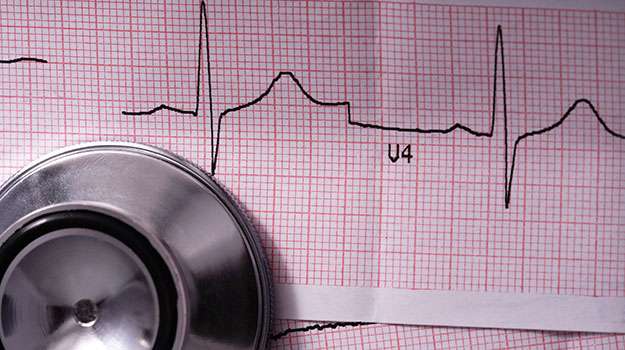
Arrhythmia refers to irregularities in the heartbeat and can manifest in various forms. Early identification and evaluation are key in managing its impact effectively on overall health outcomes.”
- Symptoms might include palpitations, dizziness, or even fainting spells; however, it can sometimes be asymptomatic as well.
- A detailed evaluation usually involves an ECG along with Holter monitoring over several days for accuracy in capturing episodes of irregular beating patterns.
- Treatment could range from lifestyle changes and medication aimed at controlling symptoms to more advanced interventions like catheter ablation if necessary.”
- “Regular follow-ups are important post-diagnosis so that adjustments can be made based on clinical responses.”
“Understanding arrhythmias allows individuals to manage their condition diligently while minimizing complications associated with an irregular heartbeat.”
HEART DISEASE RISK ASSESSMENT
A comprehensive risk assessment for heart disease evaluates various factors that could contribute to cardiovascular problems. Understanding these risks empowers patients to make informed choices about their health.
- Factors considered include family history, age, lifestyle choices like smoking or diet, and existing health conditions like diabetes or hypertension.
- Pain-free tests such as stress tests or imaging studies may also form part of this assessment regimen.
- Management plans could involve lifestyle modifications paired with possible pharmaceutical interventions tailored to individual risk profiles.
- This proactive approach aims at lowering overall risks while educating patients on maintaining optimal cardiovascular health through prevention strategies.
A thorough risk assessment not only aids in preventing heart disease but also promotes overall well-being through informed decision-making about personal health habits.
ELECTROCARDIOGRAM (ECG)
An electrocardiogram (ECG) is a crucial test used to measure the electrical activity of the heart. It helps identify various heart conditions by providing real-time insights into how well the heart functions.
- This non-invasive test may reveal abnormalities such as arrhythmias or signs of previous heart attacks.
- The procedure entails placing electrodes on the skin that record electrical impulses from the heart.
- If abnormal results are found, further testing may be warranted to ascertain underlying issues.
- Patients will receive immediate feedback regarding the findings during their consultation following the ECG procedure.
An ECG plays an essential role in identifying potential cardiac issues early on, facilitating timely intervention and treatment when needed.
CHOLESTEROL SCREENING
Monitoring cholesterol levels is vital in preventing cardiovascular diseases. Elevated cholesterol can lead to plaque buildup in arteries, increasing the risk of heart attacks.
- Symptoms may not be present; hence regular screening is crucial for early detection.
- A blood test known as a lipid panel is used for diagnosis, measuring total cholesterol, LDL, HDL, and triglycerides.
- Treatment options may include dietary changes, physical activity enhancements, and medication such as statins if necessary.
- Patients should aim for their cholesterol levels within the recommended range through lifestyle adjustments rather than relying solely on medication.
A proactive approach towards cholesterol management can vastly improve heart health over time.
HYPERTENSION MANAGEMENT
Hypertension, or high blood pressure, is a condition that can lead to serious health problems if left untreated. It often has no symptoms but can cause damage over time to your heart and arteries.
- Common causes include obesity, sedentary lifestyle, and excessive salt intake.
- Diagnosis typically involves measuring blood pressure at various intervals to monitor trends.
- Treatment may include lifestyle changes such as diet and exercise, along with medications like diuretics or ACE inhibitors.
- Regular monitoring and follow-up are essential for effective management.
- Patients can expect periodic evaluations to ensure that blood pressure remains within a healthy range.
Managing hypertension effectively can significantly reduce the risk of heart disease and stroke, leading to a healthier life.