
Dr Komal Jani
About Me
Dr Komal Jani
Dermatologist
Biography
My Clinic
OPD Hours
| Tuesday | Morning | 10:00 AM | - | 02:00 PM |
| Evening | 06:00 PM | - | 09:00 PM | |
| Wednesday | Morning | 10:00 AM | - | 02:00 PM |
| Evening | 06:00 PM | - | 09:00 PM | |
| Thursday | Morning | 10:00 AM | - | 02:00 PM |
| Evening | 06:00 PM | - | 09:00 PM | |
| Friday | Morning | 10:00 AM | - | 02:00 PM |
| Evening | 06:00 PM | - | 09:00 PM | |
| Saturday | Morning | 10:00 AM | - | 02:00 PM |
| Evening | 06:00 PM | - | 09:00 PM | |
| Sunday | Morning | 10:00 AM | - | 02:00 PM |
| Evening | 06:00 PM | - | 09:00 PM | |
| Thursday | Morning | 10:00 AM | - | 02:00 PM |
| Evening | 06:00 PM | - | 09:00 PM |
Treatments
Specialised care and treatments offered
SKIN CANCER SCREENING
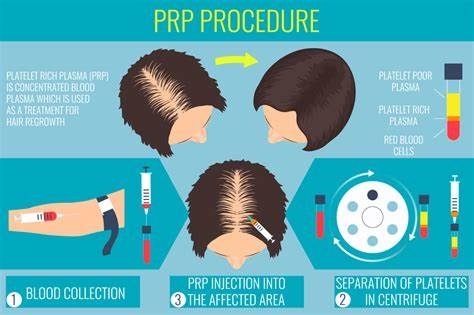
Skin cancer screening plays an essential role in early detection & prevention measures applicable patients increase awareness concerning possible risks associated development cancerous lesions!
- Main objectives: Regular screenings enable timely identification abnormal growth(s), allowing prompt intervention minimizing associated complications.
- Suspicious signs: Changes moles (color/size/border irregularities), appeared lesions non-healing wounds potential indicators malignant transformation.
- A screening visit: Medical professionals examine entire body systemically documenting pre-existing conditions reviewing personal/family histories along discussing perceived concerns.
- Treatment protocols: Upon finding any suspicious areas criteria involving biopsy/conservative approaches based upon findings recommending steps taking thereafter.
-
Follow-up practices:
Continued surveillance ensures monitoring skin health assists proactive measures taken safeguarding against future occurrences!
Your doctor will advise how frequently these screenings should occur depending upon individual risk factors ensuring optimal preventive care practiced consistently!
MELASMA
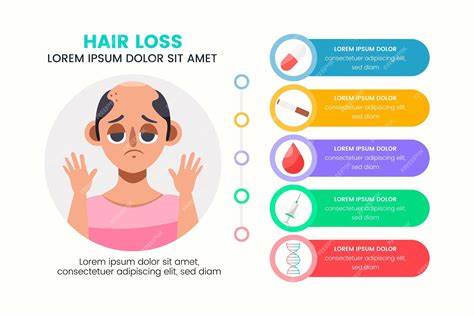
Melasma is characterized by brown or gray-brown patches on the skin often appearing on the face. It commonly occurs due to hormonal changes but understanding its nature is pivotal for effective outcomes in treatment options available today!
- Symptoms: Irregularly shaped spots primarily located across cheeks forehead upper lip showcasing darker pigmentation variations.
- Causes: Majorly attributed hormonal fluctuations especially during pregnancy as well as sun exposure being significant risk factor exacerbating existing pigmentation issues.
- Diagnosis approach: Clinical assessment determining patient’s history sensitivity towards sunlight along consideration genetic background while examining lesions typically suffices confirm melasma finding.
- Treatment modalities: Strategies could involve hydroquinone-based creams & chemical peels focused breaking down melanin production reducing color intensity furthermore laser treatments utilized certain cases achieving remarkable results too!
- Expected results: Improvement timeline varies across individuals however diligent adherence recommended prevent recurrence maintaining radiant complexion ultimately desired!
ROSACEA
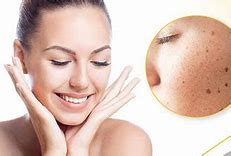
Rosacea is a prevalent skin disorder that causes facial redness and visible blood vessels. Understanding its symptoms allows for better management techniques tailored to individual cases.
- Key symptoms: Persistent redness on the face often accompanied by flushing episodes; additional signs may include small bumps resembling acne or thickened skin in severe cases.
- Potential triggers: Factors such as spicy foods, temperature extremes, alcohol consumption, or sun exposure can exacerbate rosacea symptoms significantly. Diagnosis: Typically performed through physical examination along with patient history. There are no specific tests for confirmation but observation of symptoms plays a key role in diagnosis.
- Treatment approaches: Options encompass topical medications targeting inflammation alongside oral antibiotics for more severe manifestations.
- Patient expectations: Improvement may take time; ongoing management coupled with lifestyle adjustments enhances overall control over this condition.
With appropriate strategy implementation focusing on both medical therapies alongside avoidance of flare-inducing factors proves advantageous in managing rosacea long-term.
PSORIASIS
Psoriasis is an autoimmune condition resulting in the rapid growth of skin cells that forms scales and red patches. Understanding this condition is crucial for effective long-term management.
- Main symptoms: Characterized by thickened red patches covered with silvery scales; it can also cause itching or burning sensations on the affected areas.
- Causal factors: Genetic predisposition combined with environmental factors such as stress or infections often contributes to flare-ups.
- Diagnosis process: Usually diagnosed through physical examination; sometimes a biopsy may be needed for confirmation.
- Treatment options: Various treatments available include topical agents, phototherapy, and systemic medications aimed at controlling inflammation.
- Expectations from treatment: While psoriasis is a chronic condition requiring ongoing treatment adjustments over time are possible based on individual response.
A comprehensive approach incorporating lifestyle changes along with medical intervention can help manage psoriasis effectively over the long term.
ECZEMA
Eczema is a chronic inflammatory skin condition characterized by dry, itchy patches that may appear on various areas of the body. It's essential for affected individuals to understand its triggers and management methods.
- Common symptoms: Redness, itching, scaling, and thickened skin are typical characteristics of eczema flare-ups.
- Triggers: Common triggers include allergens like pollen or pet dander, stress, temperature changes, and certain soaps.
- Diagnosis: A healthcare professional usually diagnoses eczema based on clinical examination and patient history.
- Treatment options: Topical corticosteroids are frequently prescribed alongside moisturizers; in some cases, systemic therapies are necessary.
- Management tips: Regular moisturizing and avoiding known irritants can significantly help reduce flare-ups.
An effective management plan tailored to individual needs can greatly improve the quality of life for those living with eczema.
ACNE
Acne is a common skin condition that affects many individuals, particularly during adolescence. It occurs when hair follicles become clogged with oil and dead skin cells, leading to a variety of blemishes.
- Symptoms: These can include blackheads, whiteheads, pimples, and cysts. Often accompanied by inflammation or redness.
- Causes: Hormonal changes, excess oil production, and bacterial growth are significant contributors to acne.
- Diagnosis: Diagnosis typically involves a physical examination and discussion of your medical history.
- Treatment options: Management may range from topical treatments like retinoids to oral medications such as antibiotics or hormonal therapy.
- What to expect: While treatment may take several weeks to show improvement, consistent care can lead to significant results.
With appropriate management strategies, acne can be controlled effectively, enhancing both skin appearance and overall confidence.