
Dr Kothiwalas S
About Me
Dr Kothiwalas S
Dermatologist
Biography
My Clinic
OPD Hours
| Monday | Morning | 10:00 AM | - | 02:00 PM |
| Evening | 06:00 PM | - | 09:00 PM | |
| Tuesday | Morning | 10:00 AM | - | 02:00 PM |
| Evening | 06:00 PM | - | 09:00 PM | |
| Wednesday | Morning | 10:00 AM | - | 02:00 PM |
| Evening | 06:00 PM | - | 09:00 PM | |
| Thursday | Morning | 10:00 AM | - | 02:00 PM |
| Evening | 06:00 PM | - | 09:00 PM | |
| Friday | Morning | 10:00 AM | - | 02:00 PM |
| Evening | 06:00 PM | - | 09:00 PM | |
| Saturday | Morning | 10:00 AM | - | 02:00 PM |
| Evening | 06:00 PM | - | 09:00 PM | |
| Sunday | Morning | 10:00 AM | - | 02:00 PM |
| Evening | 06:00 PM | - | 09:00 PM |
Treatments
Specialised care and treatments offered
HYPERPIGMENTATION
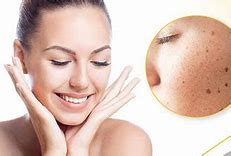
This skin condition arises when patches of skin become darker than surrounding areas due to excess melanin production — commonly seen after sun exposure or inflammatory issues like acne scarring!
- Sutpenms
SKIN ALLERGIES
A prevalent issue among many individuals results from contact with allergens present in daily products such as cosmetics or detergents. Skin allergies often manifest as rashes or irritation upon exposure.
- Symptoms: The hallmark symptoms comprise localized redness accompanied by itching or hives after contact with an allergen.
- Causes: Common allergens include nickel in jewelry or fragrances found in personal care products; environmental factors also contribute significantly.
- Diagnosis: Allergy testing might be conducted if history isn’t conclusive enough for diagnosis purposes.
- Treatment options: Management involves avoiding known allergens while utilizing topical steroids for inflammation reduction when needed.
- What to expect: Upon identifying triggers successfully coupled with avoidance tactics people usually observe substantial reductions in flare-up incidents over time.
Your dermatologist will provide guidance tailored specifically towards alleviating discomfort efficiently throughout this process!
ROSACEA
This chronic condition primarily affects facial skin leading to redness and visible blood vessels. It can also cause bumps resembling acne which can impact self-esteem significantly.
- Symptoms:The most notable sign is facial redness along with small red bumps. Other symptoms may include burning sensations on the face.
PSORIASIS
This chronic autoimmune disorder leads to rapid skin cell production resulting in thickened plaques on the skin surface. Psoriasis often affects areas like elbows and knees but can impact any part of the body.
- Symptoms: Key signs are red patches covered with thick silvery scales that may itch or burn.
- Causes: Triggers include infections, stress levels, and certain medications; genetics also plays a significant role.
- Diagnosis: Diagnosis is generally made based on clinical appearance; occasionally a biopsy may be performed for confirmation.
- Treatment options: Treatment approaches vary from topical treatments including corticosteroids to systemic therapies and phototherapy depending on severity.
- What to expect: With an appropriate management plan tailored by your dermatologist, many patients experience significant symptom improvement over time.
The goal is not only symptom relief but also improving overall quality of life through effective management strategies.
ECZEMA
Eczema is a chronic inflammatory skin condition characterized by red, itchy patches. It often arises due to genetic predisposition combined with environmental factors.
- Symptoms: Common signs include dry, itchy skin that may appear cracked or weepy during flare-ups.
- Causes: Triggers may include allergens like dust mites or pollen and irritants such as soaps or detergents.
- Diagnosis: Usually confirmed through clinical evaluation; sometimes patch testing may be needed for allergen identification.
- Treatment options: Management focuses on moisturizing the skin regularly and might involve topical corticosteroids or antihistamines for itching relief.
- What to expect: While eczema can be persistent, proper management strategies significantly reduce flare-ups and improve quality of life.
A personalized treatment plan helps keep symptoms under control effectively.
ACNE
Acne is a common skin condition that affects individuals of all ages, primarily during adolescence. It occurs when hair follicles become clogged with oil and dead skin cells, leading to the formation of pimples, blackheads, or cysts.
- Symptoms: Includes various lesion types such as whiteheads, blackheads, and inflamed pustules.
- Causes: Factors include hormonal changes, certain medications, and excessive oil production.
- Diagnosis: Typically involves a physical examination of the skin; in some cases, additional testing may be necessary to rule out other conditions.
- Treatment options: Effective management can include topical treatments with benzoyl peroxide or salicylic acid, oral medications like antibiotics for severe acne, and lifestyle changes such as maintaining a clean face.
- What to expect: With appropriate treatment strategies, patients often see improvements in their skin condition within a few weeks to months.
An individualized approach can lead to successful outcomes in managing this condition.