
Dr. Ojasvi Gelda
About Me
Dr. Ojasvi Gelda
MD
Cardiologist
10 Years Experience
Biography
My Clinic
OPD Hours
| Monday | Morning | 10:00 AM | - | 02:00 PM |
| Evening | 06:00 PM | - | 09:00 PM | |
| Tuesday | Morning | 10:00 AM | - | 02:00 PM |
| Evening | 06:00 PM | - | 09:00 PM | |
| Wednesday | Morning | 10:00 AM | - | 02:00 PM |
| Evening | 06:00 PM | - | 09:00 PM | |
| Thursday | Morning | 10:00 AM | - | 02:00 PM |
| Evening | 06:00 PM | - | 09:00 PM | |
| Friday | Morning | 10:00 AM | - | 02:00 PM |
| Evening | 06:00 PM | - | 09:00 PM | |
| Saturday | Morning | 10:00 AM | - | 02:00 PM |
| Evening | 06:00 PM | - | 09:00 PM | |
| Sunday | Morning | 10:00 AM | - | 02:00 PM |
| Evening | 06:00 PM | - | 09:00 PM |
Treatments
Specialised care and treatments offered
CARDIAC MRI

A cardiac magnetic resonance imaging scan uses powerful magnetic fields and radio waves to produce detailed images showing structural anomalies within the heart that other techniques might miss. It provides functional as well as tissue characterization data crucial in complex cases.
- Key indications : Assessment of cardiomyopathies, myocarditis, cardiac tumors, congenital defects;
- Non-invasive nature : No radiation involved; safe even for repeated follow-ups;
- Imaging capabilities : Provides 3D images displaying wall thicknesses, fibrosis extent using contrast agents;
- Limitations : Longer scanning time requiring patient cooperation; contraindicated if metal implants incompatible with MRI exist;
Cardiac MRI enriches diagnostic confidence especially when echocardiography delivers inconclusive results refining management plans tailored precisely to patient needs.
ELECTROCARDIOGRAM (ECG)
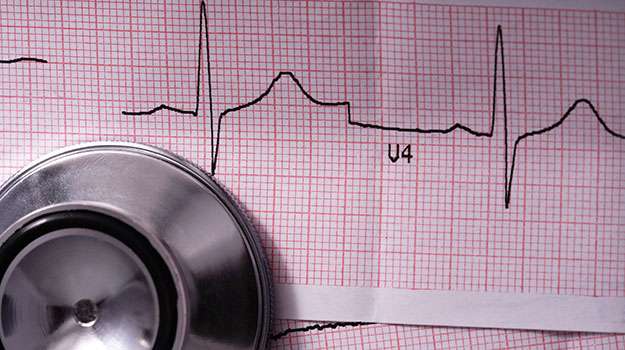
An electrocardiogram records electrical impulses generated by cardiac muscle contractions through surface electrodes placed on the skin. It assists in rapid screening of several common heart conditions instantly at bedside or outpatient clinics.
- Syndromes detected include: Arrhythmias such as atrial fibrillation/flutter; ischemic changes indicating diminished blood supply; conduction blocks affecting normal heartbeat coordination;
- The procedure: Quick (5–10 minutes), painless, no preparation required;
- Utility : Ideal initial assessment tool especially during chest discomfort episodes;
- Limitations : Does not directly visualize anatomical defects but guides need for additional tests;
Routine ECGs form an integral part of cardiovascular evaluations aiding swift diagnosis leading to timely treatments preventing serious complications like stroke or sudden cardiac death.
CORONARY ANGIOGRAPHY
This imaging technique involves injecting contrast dye into coronary arteries followed by X-ray imaging to reveal blockages obstructing blood flow to the heart muscle. It is vital for precise evaluation before interventions.
- Aims: To locate narrowing or occlusion in coronary vessels causing chest pain or myocardial infarction risks.
- The process: Performed under local anesthesia via catheterization through wrist or groin arteries into coronary arteries for dye injection and fluoroscopic imaging.
- Surgical planning tool: Findings decide suitability for stenting or bypass surgery depending on lesion severity identified.
- Pain management & safety measures: Minimal discomfort occurs; specialized staff monitor vital signs throughout procedure ensuring patient safety at all times.
This diagnostic method remains the gold standard for detailed visualization of coronary anatomy guiding critical therapeutic decisions accurately.
HOLTER MONITORING
A Holter monitor is a small wearable device that continuously records the electrical activity of the heart over 24-48 hours. It detects abnormalities not always visible during brief clinic visits.
- Main use: To diagnose intermittent arrhythmias causing palpitations or syncope episodes that might otherwise be missed.
- Device placement: Electrodes are attached to the chest connected to a portable recorder worn throughout daily activities.
- User instructions: Maintain usual routines but avoid bathing during monitoring period unless waterproof devices are used.
- Data analysis: After recording, cardiologists review detailed ECG strips identifying irregular rhythms or pauses correlating with symptoms reported by patients.
This extended monitoring improves detection accuracy for rhythm disturbances facilitating timely treatment adjustments or further investigations if necessary.
STRESS TESTING (EXERCISE TREADMILL TEST)
A stress test evaluates how well your heart handles physical exertion by monitoring behavior under controlled stress. This procedure helps detect coronary artery disease and exercise-induced arrhythmias.
- Symptoms prompting test: Chest pain during activity, unexplained breathlessness, or irregular heartbeats.
- Testing method: Patients walk on a treadmill with increasing intensity while ECG monitors heart rhythm and rate.
- Diagnostic value: It reveals ischemia signs caused by narrowed arteries limiting blood flow during stress.
- Treatment relevance: Results assist in planning medications or interventions like angioplasty if blockages are suspected.
This test supports clinicians in understanding performance limits of the cardiovascular system under real-life demands safely and effectively.
ECHOCARDIOGRAM
An echocardiogram is a non-invasive ultrasound test used to visualize the heart's structure and function. It provides crucial information about heart chambers, valves, and blood flow dynamics.
- Purpose: To assess cardiac function, evaluate abnormalities like valve disease or cardiomyopathy, and detect fluid around the heart.
- Procedure: A transducer produces sound waves that create moving images of the heart on a monitor.
- Preparation: Usually no specific preparation is needed; it is painless and safe.
- Interpretation: Cardiologists analyze size, motion of heart walls, valve operation, and blood flow patterns to identify issues.
- Outcomes: Results guide diagnosis and treatment strategies for various heart conditions.
This test is essential in diagnosing both acute and chronic cardiac problems, helping tailor personalized care plans effectively.