
Dr Kshitij Bhatn
About Me
Dr Kshitij Bhatn
MBBS
Internal Medicine
10 Years Experience
Biography
My Clinic
OPD Hours
| Monday | Morning | 10:00 AM | - | 02:00 PM |
| Evening | 06:00 PM | - | 09:00 PM | |
| Tuesday | Morning | 10:00 AM | - | 02:00 PM |
| Evening | 06:00 PM | - | 09:00 PM | |
| Wednesday | Morning | 10:00 AM | - | 02:00 PM |
| Evening | 06:00 PM | - | 09:00 PM | |
| Thursday | Morning | 10:00 AM | - | 02:00 PM |
| Evening | 06:00 PM | - | 09:00 PM | |
| Friday | Morning | 10:00 AM | - | 02:00 PM |
| Evening | 06:00 PM | - | 09:00 PM | |
| Saturday | Morning | 10:00 AM | - | 02:00 PM |
| Evening | 06:00 PM | - | 09:00 PM | |
| Sunday | Morning | 10:00 AM | - | 02:00 PM |
| Evening | 06:00 PM | - | 09:00 PM |
Treatments
Specialised care and treatments offered
VACCINATION FOR INFLUENZA PREVENTION
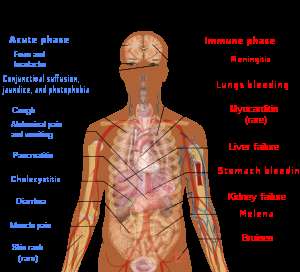
The influenza vaccine is an important preventive measure against seasonal flu outbreaks that can cause severe illness especially in vulnerable adults. Annual immunization is recommended globally to mitigate impact on public health systems.
- Pertinent Facts About Influenza Virus: It mutates regularly requiring yearly updates in vaccine formulation.
- Efficacy & Safety: Vaccines reduce the incidence of flu-related hospitalization significantly with minimal side effects.
- Treatment vs Prevention: Vaccination complements symptomatic treatment but primarily aims at preventing infection altogether.
- Candidates for Immunization: Everyone over six months old; high priority groups include elderly individuals, those with chronic illnesses monitored under Internal Medicine care.
- The Procedure: Administered via intramuscular injection annually during flu season planning.
Getting vaccinated yearly promotes personal protection while contributing towards community herd immunity against influenza epidemics.
COLORECTAL CANCER SCREENING
This screening detects precancerous polyps or early colorectal cancer before symptoms arise. Timely detection vastly improves treatment success rates.
- Candidates for Screening:
CHRONIC OBSTRUCTIVE PULMONARY DISEASE (COPD) MONITORING
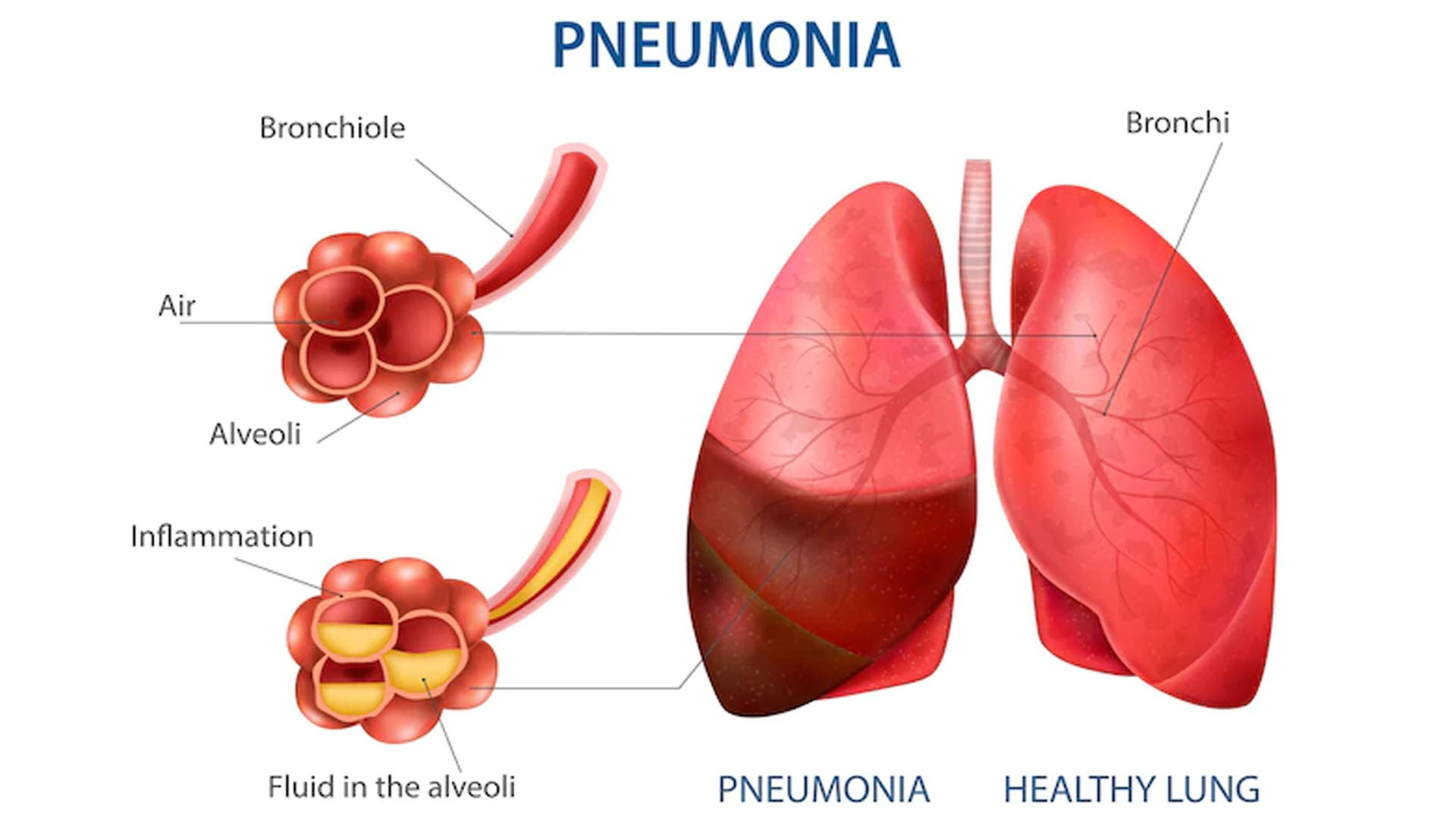
COPD is a progressive lung disease causing airflow obstruction that hampers breathing. Regular monitoring helps manage symptoms effectively.
- Main Symptoms & Causes: Chronic cough, sputum production often due to smoking or exposure to lung irritants are hallmarks of COPD.
- Diagnosis Tools: Spirometry testing measures lung function for diagnosis and progression assessment.
- Treatment Approach: Smoking cessation is critical; bronchodilators, inhaled steroids may be prescribed for symptom relief; pulmonary rehabilitation supports functional capacity improvement.
- The Outlook: While there’s no cure, appropriate management reduces exacerbations and improves quality of life significantly over time.
Lifelong monitoring tailored to individual needs optimizes disease control while helping maintain daily activity levels despite COPD limitations.
LIPID PROFILE ASSESSMENT
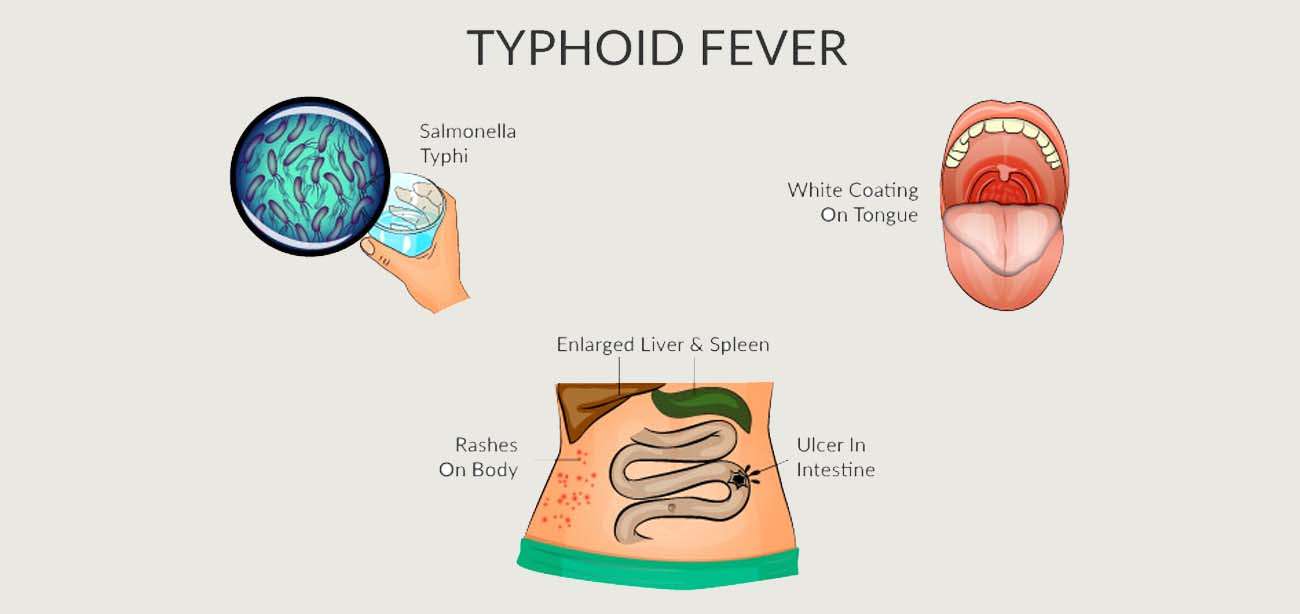
Lipid profiling evaluates cholesterol levels to assess cardiovascular health. Keeping lipids in check prevents heart attacks and strokes.
- Description: This test measures LDL (bad cholesterol), HDL (good cholesterol), triglycerides, and total cholesterol.
- Causative Factors: Poor diet, lack of exercise, smoking, genetic predisposition contribute to abnormal lipid levels.
- Treatment Options: Dietary management focusing on reducing saturated fats, pharmacological treatments like statins if necessary.
- The Diagnostic Process: A simple fasting blood test provides the lipid profile results within hours to days depending on the lab setup.
Lipid profile monitoring is an integral part of preventive cardiology aimed at minimizing future cardiovascular events by early intervention.
DIABETES MELLITUS TYPE 2 SCREENING
Type 2 diabetes is a chronic condition impacting how the body processes blood sugar. Early detection through screening can prevent complications.
- Risk Factors: Includes obesity, family history, sedentary lifestyle, and age over 45 years.
- Screening Tests: Fasting blood glucose tests or HbA1c measurements are commonly used for diagnosis.
- Management Strategies: Lifestyle modifications including diet changes and exercise; medications may be needed if lifestyle changes aren't sufficient.
- Monitoring: Regular screening helps assess blood sugar control and prevents complications like neuropathy or kidney disease.
Early screening empowers timely intervention to manage glucose levels effectively and reduce health risks related to diabetes.
HYPERTENSION MANAGEMENT
High blood pressure, or hypertension, is a common condition that can lead to serious complications if left untreated. Effective management helps reduce risks of heart disease and stroke.
- Causes & Symptoms: Often called a silent condition, it rarely has symptoms; causes include genetics, diet, and lifestyle.
- Diagnosis: Multiple blood pressure readings over time using a sphygmomanometer confirm diagnosis.
- Treatment Options: Lifestyle changes such as diet and exercise, along with medications like ACE inhibitors or beta-blockers.
- Monitoring: Regular follow-ups are essential to adjust therapy and maintain control.
- Expectations: With adherence, patients can effectively reduce cardiovascular risk and improve quality of life.
Managing hypertension involves ongoing care focused on prevention and treatment to avoid long-term damage.