
DR Kuldeep Mathur
About Me
DR Kuldeep Mathur
MBBS
General Physician
Biography
My Clinic
OPD Hours
| Monday | Morning | 10:00 AM | - | 02:00 PM |
| Evening | 06:00 PM | - | 09:00 PM | |
| Tuesday | Morning | 10:00 AM | - | 02:00 PM |
| Evening | 06:00 PM | - | 09:00 PM | |
| Wednesday | Morning | 10:00 AM | - | 02:00 PM |
| Evening | 06:00 PM | - | 09:00 PM | |
| Thursday | Morning | 10:00 AM | - | 02:00 PM |
| Evening | 06:00 PM | - | 09:00 PM | |
| Friday | Morning | 10:00 AM | - | 02:00 PM |
| Evening | 06:00 PM | - | 09:00 PM | |
| Saturday | Morning | 10:00 AM | - | 02:00 PM |
| Evening | 06:00 PM | - | 09:00 PM | |
| Sunday | Morning | 10:00 AM | - | 02:00 PM |
| Evening | 06:00 PM | - | 09:00 PM |
Treatments
Specialised care and treatments offered
THYROID DISORDERS

The thyroid gland plays a crucial role in regulating metabolism via hormone production. Disorders such as hypothyroidism or hyperthyroidism require careful diagnostic evaluation and ongoing care.
,--D{1-3d/aMarkusConsultationg;;;hise effects may include weight changes,rReg,''s].[l
CHOLESTEROL MANAGEMENT
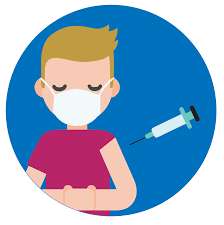
Elevated cholesterol levels increase the risk of heart disease. Understanding how cholesterol affects health enables better management through both lifestyle choices and medication when necessary.
- Disease Diagnosis: A simple blood test measures total cholesterol levels; values above 200 mg/dL require attention and potential intervention
ASTHMA CONTROL
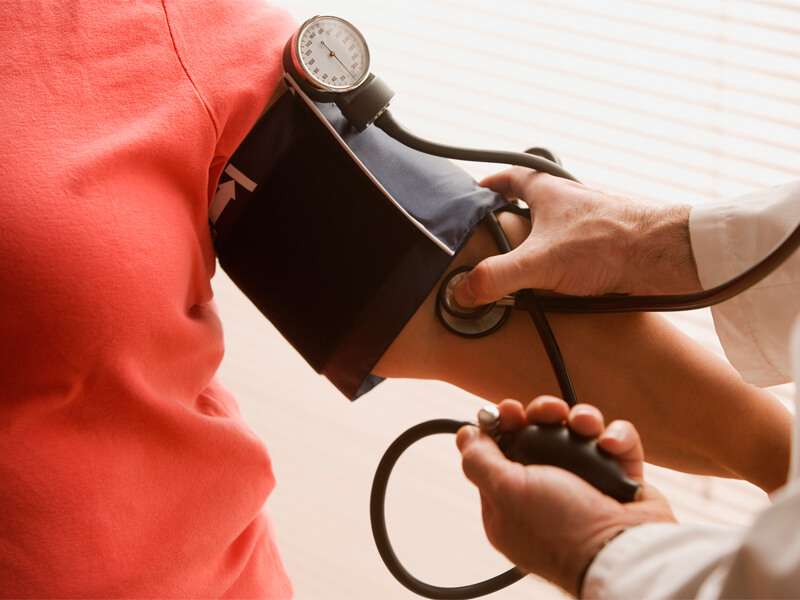
Asthma is a chronic respiratory condition characterized by inflammation of the airways, leading to difficulty breathing. Effective management can help control symptoms and reduce attacks.
- Triggers: Common triggers include allergens like pollen, smoke, and cold air which can exacerbate symptoms.
- Symptoms: Individuals may experience wheezing, coughing, chest tightness, or shortness of breath during an asthma attack.
- Disease Management: Long-term control medications (e.g., inhaled corticosteroids) combined with rescue inhalers are often used as part of a comprehensive treatment plan.
- Disease Monitoring: Keeping a symptom diary can assist in recognizing triggers and the effectiveness of management strategies.
Asthma does not have to limit daily activities. With the right treatment plan tailored by healthcare professionals, individuals can maintain an active lifestyle devoid of severe symptoms.
DIABETES EDUCATION

Diabetes mellitus refers to a group of diseases affecting how the body uses blood sugar (glucose). Proper management is key to preventing complications.
- Types: The two main types are Type 1 and Type 2 diabetes, each requiring different management strategies.
- Symptoms: Common symptoms include increased thirst, frequent urination, fatigue, and blurred vision.
- Diagnosis: Tests such as fasting blood glucose or Hemoglobin A1c are used to confirm diagnosis and monitor blood sugar levels over time.
- Treatment Options: Patients may manage diabetes with dietary changes, physical activity, oral medications, or insulin therapy based on individual needs.
- Lifestyle Changes: Continuous education on nutrition and exercise significantly impacts diabetes management and overall well-being.
A comprehensive understanding of diabetes is vital for effective self-management. Collaborating with healthcare providers ensures the best outcomes for patients living with this condition.
HYPERTENSION MANAGEMENT
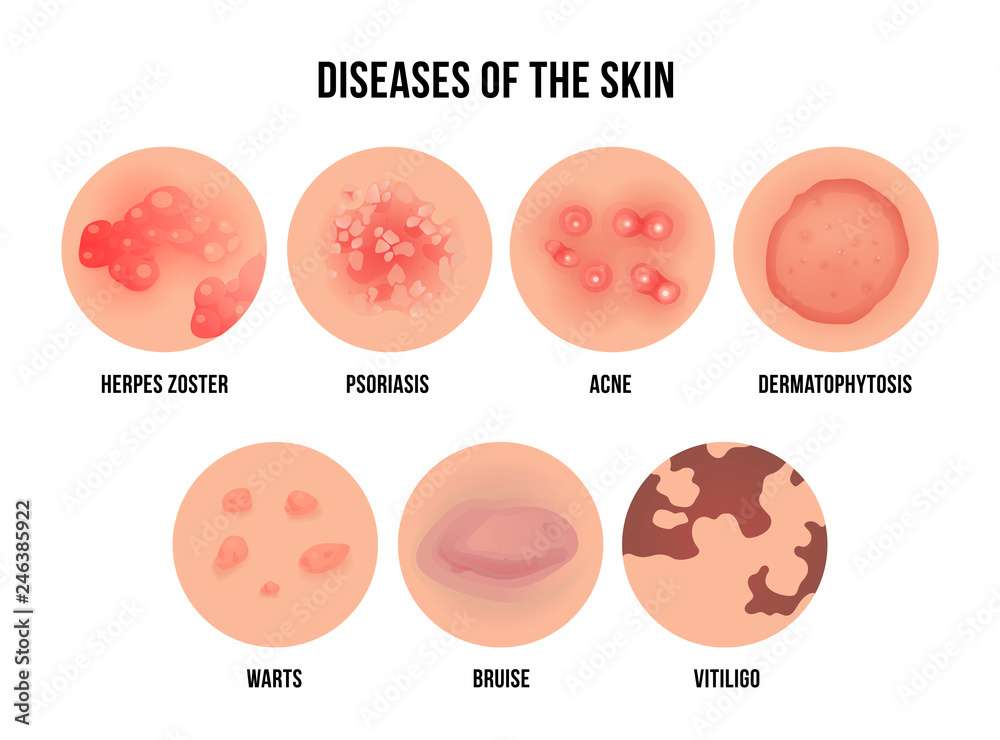
Hypertension, or high blood pressure, is a common condition that often develops over many years. It can lead to serious health issues if left untreated.
- Symptoms: Many individuals experience no symptoms; however, headaches and shortness of breath can occur in severe cases.
- Diagnosis: Blood pressure is measured using a sphygmomanometer; consistent readings above 130/80 mmHg typically indicate hypertension.
- Treatment Options: Lifestyle modifications such as diet and exercise, along with medications like ACE inhibitors or diuretics, may be recommended for effective management.
- Monitoring: Regular check-ups are vital to track blood pressure levels and adjust treatment as necessary.
- Long-Term Care: Maintaining healthy habits and medication adherence is crucial to prevent complications like heart disease or stroke.
Managing hypertension is essential for long-term health. By maintaining regular check-ups and following prescribed treatments, individuals can lead healthier lives.