
Dr Kulkarni
About Me
Dr Kulkarni
Cardiologist
Biography
My Clinic
OPD Hours
| Tuesday | Morning | 10:00 AM | - | 02:00 PM |
| Evening | 06:00 PM | - | 09:00 PM | |
| Wednesday | Morning | 10:00 AM | - | 02:00 PM |
| Evening | 06:00 PM | - | 09:00 PM | |
| Thursday | Morning | 10:00 AM | - | 02:00 PM |
| Evening | 06:00 PM | - | 09:00 PM | |
| Friday | Morning | 10:00 AM | - | 02:00 PM |
| Evening | 06:00 PM | - | 09:00 PM | |
| Saturday | Morning | 10:00 AM | - | 02:00 PM |
| Evening | 06:00 PM | - | 09:00 PM | |
| Sunday | Morning | 10:00 AM | - | 02:00 PM |
| Evening | 06:00 PM | - | 09:00 PM | |
| Thursday | Morning | 10:00 AM | - | 02:00 PM |
| Evening | 06:00 PM | - | 09:00 PM |
Treatments
Specialised care and treatments offered
HEART HEALTH EDUCATION

Heart health education empowers individuals by providing valuable insights into maintaining cardiovascular wellness. Knowledge equips patients with tools needed for prevention and self-care throughout their lives!
- A fundamental aspect lies within understanding how daily habits influence overall cardiac function – from nutrition choices consumed at mealtime right down towards exercise variations incorporated gradually over time .
- Regular educational outreach converses around available screenings aimed at detecting potential issues before they escalate unduly leading onto subsequent advancements found after diagnosis received!
- Medical professionals typically advise on resources available regarding stress management techniques which aid emotional stability vitally linked towards reducing strain enacted upon hearts themselves .
- Committed follow-up discussions remain instrumental fostering open communication between healthcare teams assisting patients’ adherence towards therapeutic recommendations provided accordingly .
With proactive engagement derived via educational initiatives , enhanced quality-of-life awaits those who prioritize both knowledge acquisition while taking actionable steps forward together alongside trusted advisors committed alongside them throughout this journey !
ATRIAL FIBRILLATION MONITORING
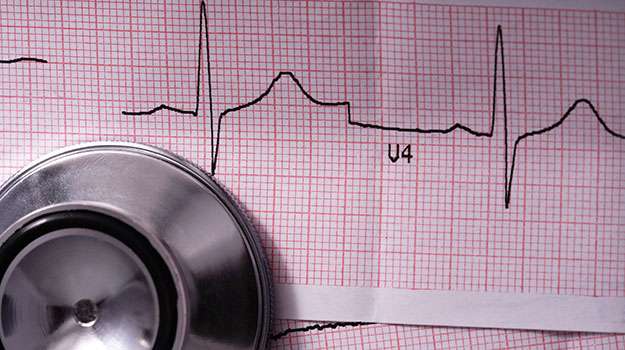
Atrial fibrillation (AFib) is an irregular heartbeat which may lead to strokes and other heart-related complications. Understanding how it manifests is key in managing this rhythm disorder effectively.
- This condition often presents no symptoms but may cause palpitations or fatigue in some patients. It’s crucial to note when these occur in relation to other activities or stressors in daily life.
- A medical professional typically diagnoses AFib through an ECG during physical exams when irregularities are observed initially by patients themselves or care providers alike.
- Treatment generally involves anticoagulant medications aimed at reducing stroke risks coupled with rate-control agents for symptom relief purposes as well as potential catheter-based therapies if necessary based on severity level detected during evaluation sessions
For effective management plans tailored specifically for each patient’s needs , collaborative efforts should focus primarily around identifying triggers while adapting lifestyle choices conducive towards better outcomes .
CORONARY ARTERY DISEASE MANAGEMENT
Coronary artery disease (CAD) occurs when the coronary arteries become narrowed or blocked due to plaque buildup. This condition can lead to chest pain (angina) or even heart attacks if not addressed promptly.
- Main contributors include high cholesterol, diabetes, smoking, and sedentary lifestyles that lead to poor vascular health.
- CABG surgery or angioplasty may be recommended based on severity; however, medical management remains a cornerstone of treatment options available today.
- Lifestyle changes such as improved diet and regular exercise are equally important for managing symptoms effectively while reducing long-term risks associated with CAD.
- Your physician will likely recommend ongoing monitoring through regular stress tests or imaging studies to evaluate the progression of the disease over time.
Coping strategies combined with effective medical management enable individuals living with CAD to maintain healthier lives overall.
HEART ATTACK PREVENTION
Preventing a heart attack involves understanding risk factors that contribute to this life-threatening event. Proactive measures can greatly reduce the likelihood of experiencing one.
- Key risk factors include smoking, high cholesterol, diabetes, obesity, and lack of physical activity.
- A comprehensive assessment often includes evaluating family history and conducting tests such as electrocardiograms (ECGs).
- Lifestyle interventions like quitting smoking and adopting a heart-healthy diet are crucial methods for prevention.
- Your doctor may suggest medications for patients at higher risk to help manage underlying conditions effectively.
- Regular check-ups play an essential role in detecting potential problems early on before they escalate into severe complications.
Taking the necessary steps towards prevention empowers you to protect your heart health actively.
CHOLESTEROL SCREENING
Cholesterol screening is a vital procedure that helps assess an individual's risk for heart disease. High cholesterol levels can silently damage arteries and lead to serious cardiovascular issues.
- The primary cause of elevated cholesterol often includes poor dietary choices and a sedentary lifestyle.
- A simple blood test measures total cholesterol levels, including LDL (bad), HDL (good), and triglycerides.
- If results show elevated levels, treatment may involve lifestyle modifications such as improving diet or increasing physical activity; medications may be prescribed in some cases.
- Regular screening is advised for adults, especially those with risk factors like obesity or a family history of heart disease.
- Understanding your cholesterol levels is crucial for proactive heart health management.
By staying informed about cholesterol levels through regular screenings, you can significantly reduce your risk of heart-related ailments.
HYPERTENSION
Hypertension, or high blood pressure, is a common condition that affects millions of individuals worldwide. It occurs when the force of blood against the artery walls is too high.
- Symptoms may include headaches, shortness of breath, or nosebleeds, though many people may not experience noticeable signs.
- Diagnosis typically involves taking multiple blood pressure readings over time to assess if levels are consistently high.
- Treatment options include lifestyle changes such as diet and exercise, along with medications like ACE inhibitors or diuretics.
- Patients can manage their condition by monitoring their blood pressure regularly and adhering to prescribed treatments.
- It's essential to consult healthcare professionals for tailored advice on maintaining optimal heart health.
With appropriate management, individuals with hypertension can lead healthy lives while minimizing risks associated with heart disease and stroke.