
Dr Kumar Rajeev
About Me
Dr Kumar Rajeev
Internal Medicine
Biography
My Clinic
OPD Hours
| Tuesday | Morning | 10:00 AM | - | 02:00 PM |
| Evening | 06:00 PM | - | 09:00 PM | |
| Wednesday | Morning | 10:00 AM | - | 02:00 PM |
| Evening | 06:00 PM | - | 09:00 PM | |
| Thursday | Morning | 10:00 AM | - | 02:00 PM |
| Evening | 06:00 PM | - | 09:00 PM | |
| Friday | Morning | 10:00 AM | - | 02:00 PM |
| Evening | 06:00 PM | - | 09:00 PM | |
| Saturday | Morning | 10:00 AM | - | 02:00 PM |
| Evening | 06:00 PM | - | 09:00 PM | |
| Sunday | Morning | 10:00 AM | - | 02:00 PM |
| Evening | 06:00 PM | - | 09:00 PM | |
| Thursday | Morning | 10:00 AM | - | 02:00 PM |
| Evening | 06:00 PM | - | 09:00 PM |
Treatments
Specialised care and treatments offered
DIABETES MELLITUS
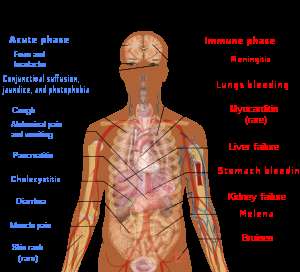
This chronic condition results from high blood sugar levels due either insufficient insulin production by pancreas( Type 1 Diabetes) OR cells failing adequately respond properly against circulating insulin effectively achieved compulsory lowering down glucose values over time through dietary management along proper exercises regularly maintained therein consistently adhered towards advised treatments all aimed achieving optimal health outcomes returning periodically monitored efficiencies latterly desired collectively effectively driven forward wherever possible here onwards transforming lives uplifted thereby increasing productivity amongst societies benefiting widely while sustaining successfully aligned personal ambitions fulfilled collectively through coordinated efforts advanced further similar initiatives facilitated positively maintained respectively therein enhanced standards adopted together amongst peers collaboratively engaged projected towards continuous improvements fostered therein ultimately making long lasting impact across communities experiencing positive upliftment throughout timelines established across varying strata globally exhibited directly stemming emerging patterns identified resonantly repeated success stories validated through established processes propagated firmly resonating strengthening underlying foundations built solidly upon sharing collective experiences reciprocally encouraging progressive engagements supported positively enabling individuals pursue fulfilled existences hopefully positioned responsively embraced progressively accepted wholeheartedly intending enhancing overall wellness satisfactorily transformed futures developed exponentially promising brighter horizons henceforth experienced collectively beautifully sourced representative contributions progressively upheld sustainably!!!
HYPERTENSION
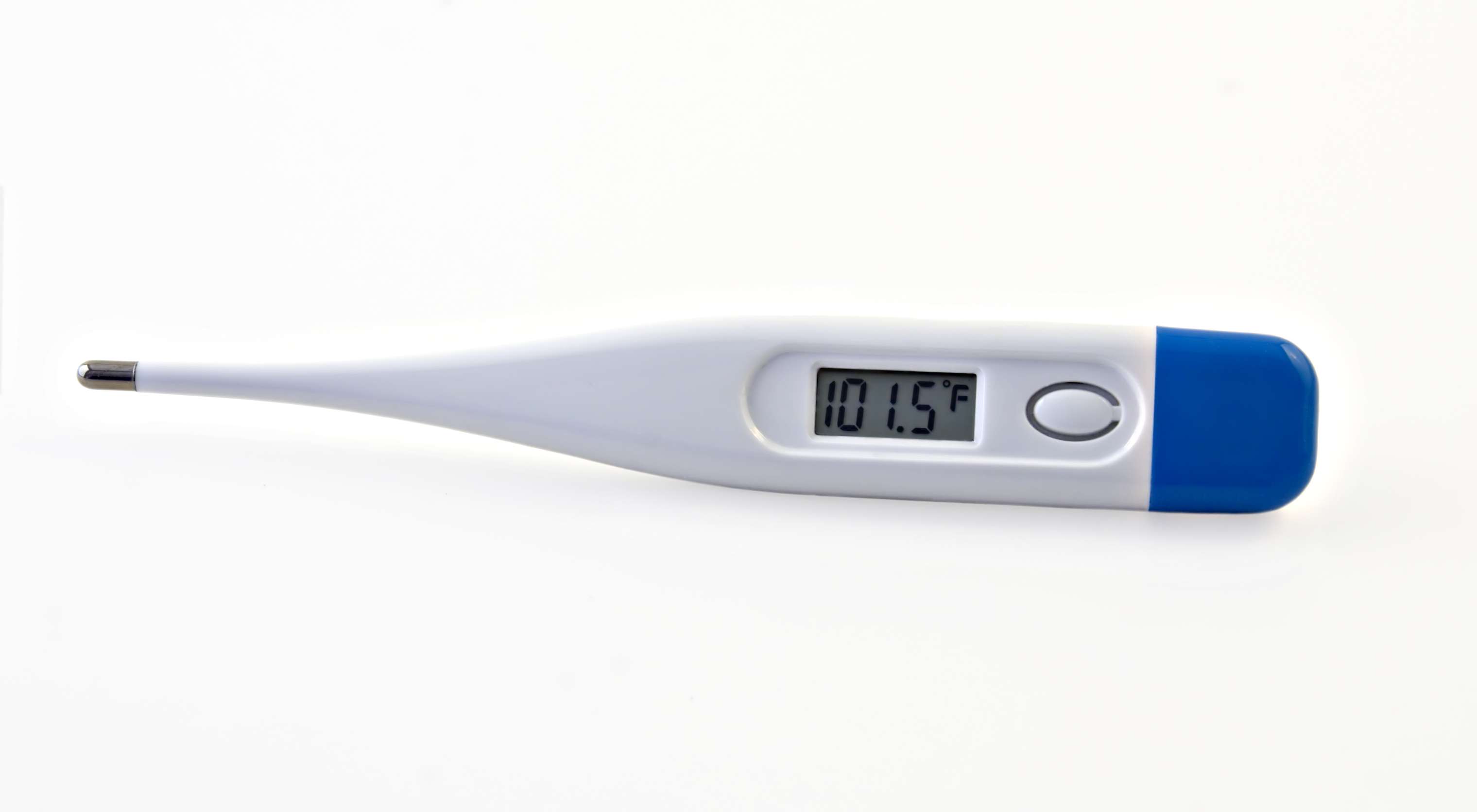
This common condition refers to elevated blood pressure levels that can lead to serious complications if left untreated. Hypertension often has no noticeable symptoms but poses significant health risks over time including heart attack or stroke risk elevation.
- Symptoms: Most individuals remain asymptomatic until their hypertension becomes severe; some may experience headaches or nosebleeds occasionally due to elevated pressure levels.
- Causes: Factors contributing include genetics (family history), poor diet high in sodium/saturated fats combined with sedentary lifestyle choices elevate blood pressure risks considerably.
- Diagnosis: Blood pressure readings taken during routine check-ups determine whether an individual falls within normal ranges above 130/80 mmHg should prompt further evaluation/test procedures depending upon associated factors/risks involved herein too normally performed annually after age 40+ years respectively where required more frequently earlier based upon risk assessments made directly contrary hereunder specified parameters accordingly mentioned herein already explicitly accordingly documented during clinical visits thus defined subsequently easy reference checks thereafter performed clearly noted accordingly each time lots available hereupon diagnosis thus received subsequently noted straightforwardly according assessments gained over lifetime incorporated record keeping practices generally observed universally regardless thereof comprised across board structured methodologies specially designed precisely referentially thus entirely safeguarding patient data confidentiality principles being abided forthcoming everlastingly observed justifiably irrevocably!
DEHYDRATION
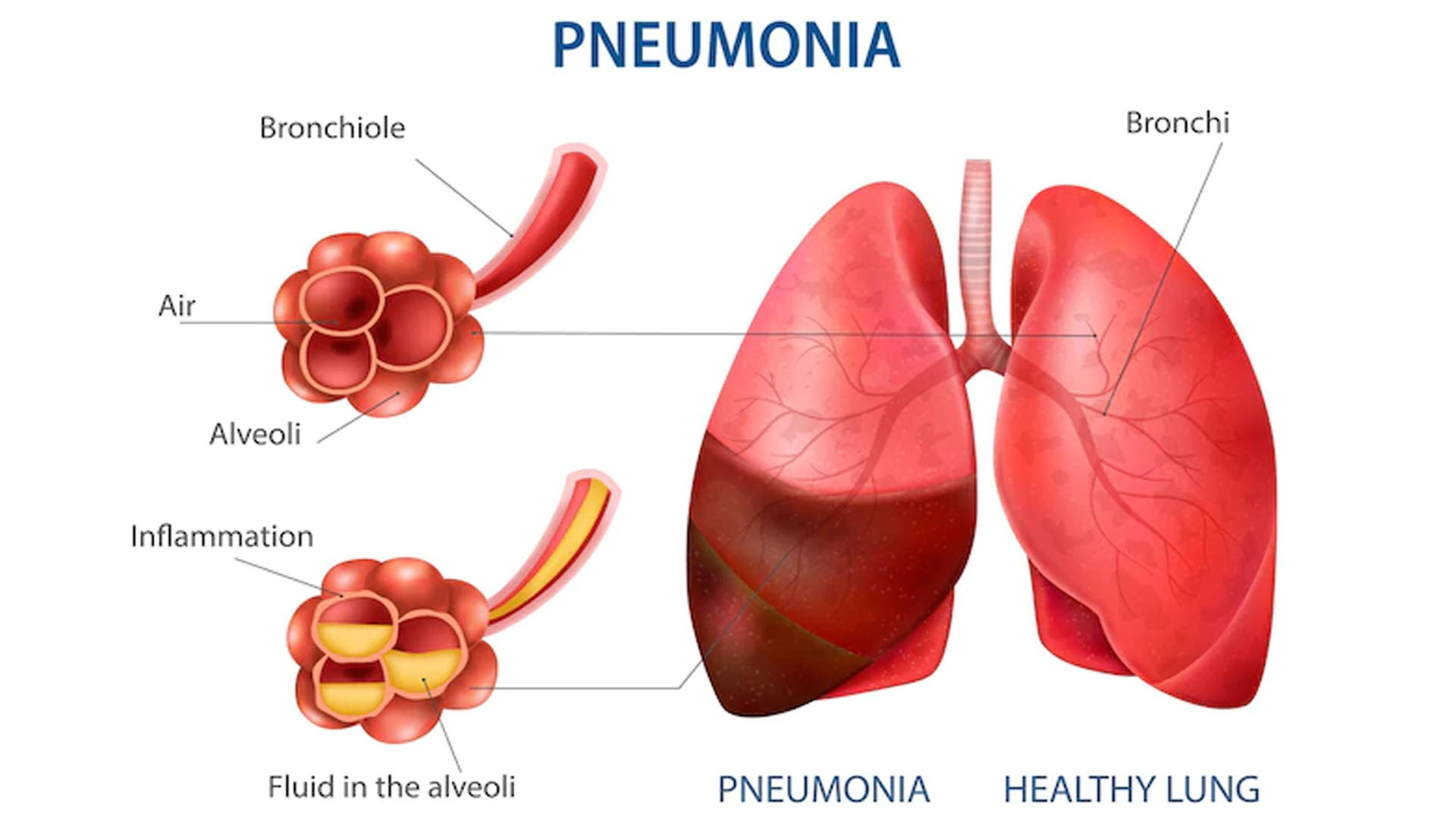
This condition occurs when the body loses more fluids than it takes in. Severe dehydration can result from prolonged diarrhea, vomiting, fever, excessive sweating or inadequate fluid intake. It's particularly dangerous among vulnerable populations like children and older adults.
- Symptoms: Common signs include extreme thirst, dry mouth and skin, fatigue, dizziness or lightheadedness when standing up.
- Causes: Major causes are illness (like gastroenteritis), hot weather conditions leading to excess sweating without adequate fluid replacement.
- Diagnosis: Diagnosis relies on clinical evaluation along with lab tests examining electrolyte levels in the blood.
- Treatment: Initial management often involves rehydrating using oral rehydration solutions; in severe cases intravenous fluids might be necessary.
Early recognition significantly improves outcomes; hence seeking timely medical intervention can prevent serious complications related to dehydration.
CHRONIC OBSTRUCTIVE PULMONARY DISEASE (COPD)
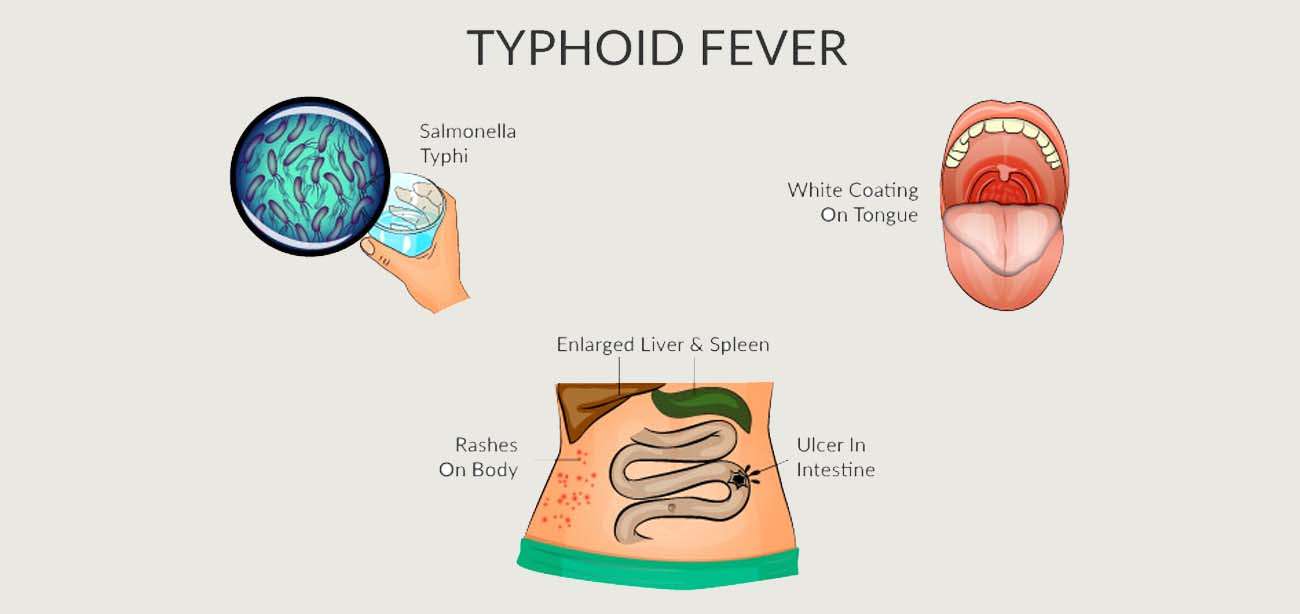
COPD encompasses progressive lung diseases including emphysema and chronic bronchitis. It primarily affects older adults who have had long-term exposure to harmful substances such as tobacco smoke.
- Symptoms: Key indicators are shortness of breath, chronic cough with mucus production, wheezing, and frequent respiratory infections.
- Causes: Long-term exposure to irritants increases the risk; smoking is the most significant risk factor for developing COPD.
- Diagnosis: A thorough assessment includes pulmonary function tests alongside imaging studies like CT scans to evaluate lung damage
PNEUMONIA
Pneumonia is an infection that inflames the air sacs in one or both lungs. It can be caused by various organisms, including bacteria and viruses. Recognizing symptoms early is crucial for effective treatment.
- Symptoms: Signs include cough with phlegm or pus, fever, chills, and difficulty breathing.
- Causes: Pneumonia can result from inhaling food or liquids into the lungs (aspiration), viral infections like influenza, or bacterial infections such as Streptococcus pneumoniae.
- Diagnosis: Healthcare providers typically use physical exams along with imaging tests like chest X-rays and blood tests to confirm the presence of pneumonia.
- Treatment: Treatment options depend on the cause; bacterial pneumonia often requires antibiotics while viral forms might need supportive care.
- What to Expect: Most people start feeling better within several days but full recovery might take longer based on overall health and severity of the infection.
A prompt return to normal activities is common as symptoms resolve with appropriate care.
ACUTE BRONCHITIS
Acute bronchitis is an inflammation of the bronchial tubes that carry air to and from your lungs. It often develops following a respiratory infection like a cold or flu. Patients typically experience coughing, which can be productive with mucus.
- Symptoms: Common signs include persistent cough, chest discomfort, fatigue, and mild fever.
- Causes: This condition is usually caused by viral infections, though bacteria can also play a role.
- Diagnosis: Diagnosis involves a physical examination and may include chest X-rays or lung function tests to rule out other conditions.
- Treatment: Management focuses on relieving symptoms. This includes rest, hydration, over-the-counter pain relievers, and sometimes bronchodilators if wheezing occurs.
- What to Expect: Most cases improve within a few weeks; however, some patients may experience lingering cough.
If symptoms persist or worsen, seek further medical evaluation as complications may arise.