
Dr Kunal Makhija
About Me
Dr Kunal Makhija
General Surgeons
Biography
My Clinic
OPD Hours
| Tuesday | Morning | 10:00 AM | - | 02:00 PM |
| Evening | 06:00 PM | - | 09:00 PM | |
| Wednesday | Morning | 10:00 AM | - | 02:00 PM |
| Evening | 06:00 PM | - | 09:00 PM | |
| Thursday | Morning | 10:00 AM | - | 02:00 PM |
| Evening | 06:00 PM | - | 09:00 PM | |
| Friday | Morning | 10:00 AM | - | 02:00 PM |
| Evening | 06:00 PM | - | 09:00 PM | |
| Saturday | Morning | 10:00 AM | - | 02:00 PM |
| Evening | 06:00 PM | - | 09:00 PM | |
| Sunday | Morning | 10:00 AM | - | 02:00 PM |
| Evening | 06:00 PM | - | 09:00 PM | |
| Thursday | Morning | 10:00 AM | - | 02:00 PM |
| Evening | 06:00 PM | - | 09:00 PM |
Treatments
Specialised care and treatments offered
THYROID SURGERY

This type of surgery is performed on patients suffering from thyroid disorders including goiters or nodules that might be suspected cancers. A thyroidectomy either partially (lobectomy) removes sections of thyroid tissue aiming at restoring metabolic balance while evaluating malignancies if needed during diagnosis phases too!
- Persistent symptoms, you might observe are metabolic imbalances such as unexplained weight fluctuations along with fatigue accompanied often by mood swings indicating possible dysfunctions connected within your hormonal axis clearly requiring medical attention soon!
This kind of surgical approach effectively provides relief while optimizing functionality post-operation greatly enhancing patient wellness overall reflecting importance regarding how we promote our health proactively!
COLON RESECTION

A colon resection procedure involves surgically removing part or all of the colon due to diseases such as cancer or diverticulitis. This operation aims at relieving symptoms while preserving overall intestinal function whenever possible.
- Key symptoms necessitating such intervention may encompass unexplained weight loss, persistent abdominal pain, blood in stools, or changes in bowel habits.
- Your physician will confirm diagnosis through colonoscopies combined with imaging studies such as CT scans for accurate locating of lesions or abnormalities.
- Surgical intervention options include partial resections followed by reconnections (anastomosis) or colostomy procedures depending on severity of disease involved ongoing management needs post-surgery.
This major surgical treatment supports enhanced health outcomes specifically tailored toward recovering patients needing specialized postoperative care plans afterwards!
BARIATRIC SURGERY
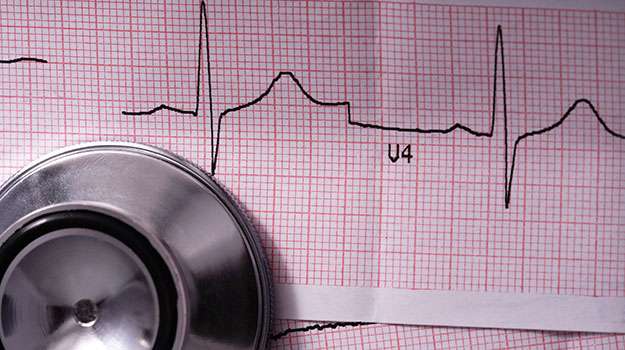
Bariatric surgery encompasses various procedures aimed at inducing weight loss in patients suffering from obesity. This approach not only targets weight reduction but also helps manage related health conditions such as diabetes and hypertension.
- The most common forms include gastric bypass, sleeve gastrectomy, and adjustable gastric banding—each catering to different patient needs based on their health profile.
- Persistent obesity symptoms may include difficulty in mobility, joint pains, and severe fatigue among others.
- A comprehensive evaluation including medical history reviews and psychological assessments aids in determining suitability for surgical intervention.
- Surgical management often leads to significant lifestyle changes requiring ongoing support post-surgery for dietary adjustments and exercise regimens.
This type of surgery has shown remarkable long-term results for eligible candidates eager to enhance their quality of life through weight management solutions.
APPENDECTOMY
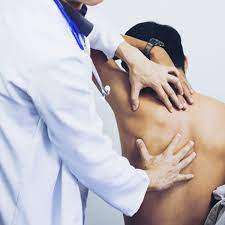
An appendectomy is the surgical removal of the appendix, often performed as an emergency procedure due to appendicitis. This condition arises when the appendix becomes inflamed and can lead to serious complications if not treated swiftly.
- Typical symptoms include sharp pain in the lower right abdomen, fever, and digestive disturbances like nausea.
- The diagnosis is usually confirmed via physical examination along with imaging techniques like CT scans or MRIs.
- Treatment primarily involves an urgent surgical approach, which can be either traditional open surgery or minimally invasive methods based on individual cases.
- The recovery process varies; however, many individuals resume normal activity within a few weeks post-operation.
An appendectomy is generally safe and effective in preventing further health issues related to appendicitis.
GALLBLADDER SURGERY (CHOLECYSTECTOMY)
The gallbladder is a small organ that stores bile used for digestion. When gallstones form or inflammation occurs, surgical removal may be necessary. A cholecystectomy addresses these issues effectively and helps alleviate symptoms.
- Common symptoms that indicate gallbladder problems include severe abdominal pain, nausea, and vomiting.
- A healthcare provider usually diagnoses the condition through an ultrasound or HIDA scan.
- Treatment typically involves laparoscopic surgery for faster recovery times and less scarring compared to traditional open surgery.
- After surgery, most patients can return to regular activities within a week but should follow specific dietary guidelines.
This procedure is highly common and significantly reduces future episodes of pain associated with gallstones.
HERNIA REPAIR
A hernia occurs when an organ or tissue pushes through a weak spot in the abdominal muscles. This condition can be uncomfortable and may lead to complications if left untreated. Hernia repair is a surgical procedure aimed at correcting this condition.
- Symptoms often include a noticeable lump, pain during lifting, or discomfort in the abdomen.
- Diagnosis typically involves a physical examination and imaging tests such as ultrasounds or CT scans.
- Treatment options range from minimally invasive techniques like laparoscopy to open surgery, depending on the hernia's size and location.
- Post-surgery, patients can expect to experience some soreness but generally recover quickly.
It’s important to address hernias promptly to prevent complications such as strangulation, where blood flow is cut off from the affected tissue.