
Dr Kunal Sahai
About Me
Dr Kunal Sahai
MBBS
Podiatrist
10 Years Experience
Biography
My Clinic
OPD Hours
| Monday | Morning | 10:00 AM | - | 02:00 PM |
| Evening | 06:00 PM | - | 09:00 PM | |
| Tuesday | Morning | 10:00 AM | - | 02:00 PM |
| Evening | 06:00 PM | - | 09:00 PM | |
| Wednesday | Morning | 10:00 AM | - | 02:00 PM |
| Evening | 06:00 PM | - | 09:00 PM | |
| Thursday | Morning | 10:00 AM | - | 02:00 PM |
| Evening | 06:00 PM | - | 09:00 PM | |
| Friday | Morning | 10:00 AM | - | 02:00 PM |
| Evening | 06:00 PM | - | 09:00 PM | |
| Saturday | Morning | 10:00 AM | - | 02:00 PM |
| Evening | 06:00 PM | - | 09:00 PM | |
| Sunday | Morning | 10:00 AM | - | 02:00 PM |
| Evening | 06:00 PM | - | 09:00 PM |
Treatments
Specialised care and treatments offered
ATHLETE'S FOOT TREATMENT
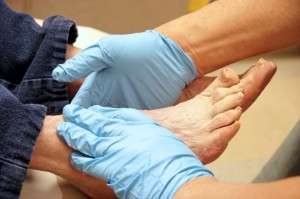
Athlete’s foot is a contagious fungal infection affecting skin between toes or other parts of feet causing itching and peeling sensations commonly seen in humid environments.
BUNIONS CONSERVATIVE TREATMENT
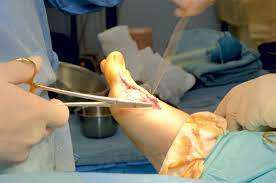
Bunions are bony bumps that form at the joint where your big toe meets your foot. They can cause discomfort but do not always require surgery initially.
- Painful swelling around this joint worsens with tight shoes; symptoms include redness and difficulty walking comfortably due to pressure points from footwear friction.
- The exact cause involves genetics combined with mechanical factors like abnormal foot structure or excessive pronation during movement leading to deformity development over time.
- Podiatrists recommend non-surgical management including wearing wider shoes with soft uppers, using padding devices near the bunion site for cushioning relief hobby-level exercise modifications focusing on alignment improvement reduce progression risks too.
DIABETIC FOOT ULCER PREVENTION
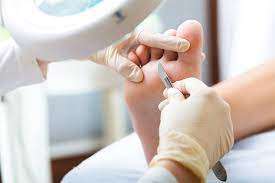
Caring for feet in diabetes is essential to prevent ulcers which can lead to serious infections if untreated.
- Risk factors include poor blood sugar control, nerve damage (neuropathy), reduced sensation in feet, and circulatory problems.
- Regular self-inspection helps identify early signs such as redness, blisters, cuts or sores before they worsen significantly.
- A podiatric exam complements monitoring by assessing skin integrity and providing advice on proper hygiene and moisturizing techniques avoiding cracks or dryness.
- Treatment centers on prompt wound care if ulcers develop alongside education about suitable footwear choices to reduce pressure points that cause breakdowns on vulnerable areas of the feet.
A proactive approach combining vigilant foot checks with protective practices greatly reduces ulcer risks improving overall limb health among diabetic patients.
CUSTOM ORTHOTICS PRESCRIPTION
Custom orthotics are specially designed shoe inserts that help correct abnormal foot mechanics and relieve discomfort.
- Their use is indicated for symptoms like arch pain, flat feet, plantar fasciitis, or uneven gait patterns causing strain elsewhere in the body.
- A detailed assessment involving foot measurements and gait analysis is performed to tailor orthotic devices precisely for individual needs.
- Treatment with these devices often aids in redistributing pressure across the feet more evenly during standing or walking activities.
- This non-invasive intervention can improve mobility, alleviate pain from various conditions, and prevent further injury progression over time.
The adaptation period varies but consistent wear typically leads to notable functional benefits supporting daily activities comfortably.
INGROWN TOENAIL CARE
An ingrown toenail occurs when the nail edge grows into the surrounding skin, causing pain and sometimes infection.
- The main symptom is localized pain along one side of the nail accompanied by redness and swelling.
- This condition arises due to improper nail trimming, tight footwear, trauma, or genetic predisposition.
- A podiatrist diagnoses it through physical inspection and assesses severity to determine treatment needs.
PLANTAR FASCIITIS MANAGEMENT
Plantar fasciitis is a common cause of heel pain caused by inflammation of the thick band of tissue running along the bottom of the foot.
- Symptoms typically include stabbing heel pain, especially with the first steps in the morning or after periods of rest.
- Causes can be related to repetitive strain, improper footwear, obesity, or biomechanical issues.
- Diagnosis generally involves physical examination and patient history; imaging like ultrasound may be used occasionally.
- Treatment options focus on stretching exercises, using orthotic supports, anti-inflammatory medication, and modifying activity levels.
- Expected outcomes often include gradual pain relief over weeks to months with adherence to conservative measures.
A consistent approach emphasizing lifestyle adjustments and targeted therapies can effectively reduce discomfort and restore foot function in plantar fasciitis cases.