
DR L H
About Me
DR L H
Cardiologist
Biography
My Clinic
OPD Hours
| Tuesday | Morning | 10:00 AM | - | 02:00 PM |
| Evening | 06:00 PM | - | 09:00 PM | |
| Wednesday | Morning | 10:00 AM | - | 02:00 PM |
| Evening | 06:00 PM | - | 09:00 PM | |
| Thursday | Morning | 10:00 AM | - | 02:00 PM |
| Evening | 06:00 PM | - | 09:00 PM | |
| Friday | Morning | 10:00 AM | - | 02:00 PM |
| Evening | 06:00 PM | - | 09:00 PM | |
| Saturday | Morning | 10:00 AM | - | 02:00 PM |
| Evening | 06:00 PM | - | 09:00 PM | |
| Sunday | Morning | 10:00 AM | - | 02:00 PM |
| Evening | 06:00 PM | - | 09:00 PM | |
| Thursday | Morning | 10:00 AM | - | 02:00 PM |
| Evening | 06:00 PM | - | 09:00 PM |
Treatments
Specialised care and treatments offered
PERIPHERAL ARTERY DISEASE MANAGEMENT

Peripheral Artery Disease (PAD) signifies reduced blood flow primarily affecting limbs due to narrowed arteries which could lead towards serious complications such as gangrene! Early diagnosis key element here plays pivotal role mitigating potential damage caused due poor circulation patterns across circulatory network!
- Symptoms vary but generally encompass leg cramping during activities termed claudication presenting difficulties walking distances!
- Diagnosis relies heavily upon physical examinations coupled alongside ultrasound evaluations assessing limb perfusion critically!
- Management strategies incorporate lifestyle modifications encompassing increased exercise frequency alongside pharmacotherapy targeting cholesterol levels effectively!
- Risk interventions ensure patient safety personalized protocols reducing chances systemic implications stemming PAD effectively thereby improving overall health scene through strategic means!
By implementing comprehensive management approaches addressing PAD needs professionals work collectively empowering patients regain mobility enhancing overall wellbeing journey ahead seamlesslyforward!
IMPLANTABLE CARDIOVERTER-DEFIBRILLATOR (ICD) PLACEMENT
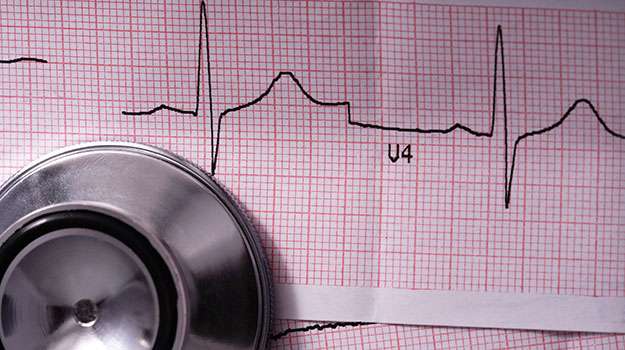
An Implantable Cardioverter-Defibrillator (ICD) serves as an essential device for managing life-threatening arrhythmias. It actively monitors heart rhythm and delivers shocks when necessary to restore normal heartbeat patterns. It’s vital for preventing sudden cardiac arrest in high-risk patients!
- This condition might present symptoms like fainting spells or previous cardiac arrests indicating underlying rhythm issues!
- A thorough assessment involving medical history review along with ECGs and electrophysiological testing establishes an ICD's necessity!
- The placement procedure typically occurs under local anesthesia where doctors implant a small device near the collarbone connected directly into heart chambers!
- After surgery patients need regular follow-up appointments ensuring optimal device performance while monitoring arrhythmia risks!
This proactive approach helps safeguard patient lives significantly reducing unexpected health emergencies linked with severe arrhythmias!
ATRIAL FIBRILLATION ABLATION
Atrial Fibrillation Ablation is a procedure aimed at correcting irregular heartbeats caused by atrial fibrillation (AFib). AFib increases stroke risk, making effective treatment crucial for affected individuals seeking improved rhythm control.
- Main symptoms include palpitations, dizziness, fatigue, and occasional chest discomfort associated with erratic electrical signals in the heart.
- An electrocardiogram (ECG) confirms AFib diagnoses alongside symptom evaluation during consultations.
- The ablation technique involves delivering energy via catheters through the veins into precise areas of the heart tissue responsible for causing AFib!
- Ablation can provide long-term relief from symptoms, allowing many patients to discontinue anti-arrhythmic medications following recovery periods!
This advanced treatment option has shown promising results in restoring normal rhythm while significantly enhancing patients' quality of lifepost-intervention!
VALVULAR HEART DISEASE TREATMENT
Treatment for Valvular Heart Disease focuses on managing conditions affecting one or more of the four heart valves. Proper functioning valves are crucial for efficient blood circulation throughout the body. When valves fail to open or close properly, it can lead to significant health complications.
- Symptoms may include breathlessness, swelling in legs or abdomen, and palpitations.
- The diagnosis often uses echocardiography and other imaging tools to evaluate valve function and structure.
- Treatment options range from medication management for symptom relief to surgical intervention like valve repair or replacement when necessary.
- Post-treatment expectations vary; some patients recover quickly while others require ongoing management based on their specific condition.
This comprehensive approach ensures that individuals living with valvular issues receive tailored care that prioritizes their health outcomes and lifestyle improvements.
HEART BYPASS SURGERY
Heart Bypass Surgery, also known as Coronary Artery Bypass Grafting (CABG), is performed to improve blood flow to the heart by creating a bypass around blocked arteries. This surgical intervention can alleviate chest pain and reduce the risk of heart attacks.
- Common symptoms prompting this surgery include severe angina, fatigue, and a history of heart attacks.
- The diagnosis typically involves stress tests and imaging studies to assess the severity of arterial blockages.
- Surgical management entails taking a blood vessel from another part of the body and connecting it around the blocked artery.
- Patients can expect a hospital stay ranging from 3 to 7 days post-surgery with gradual recovery over weeks.
This type of surgery has transformed countless lives by enabling individuals to return to their normal activities after recovery while minimizing cardiovascular risks.
CORONARY ANGIOPLASTY
Coronary Angioplasty is a minimally invasive procedure designed to restore blood flow through narrowed or blocked arteries in the heart. It is often recommended for patients experiencing angina or those who have had a heart attack. This procedure can significantly improve cardiac function and quality of life.
- Symptoms may include chest pain, shortness of breath, and fatigue during physical activity.
- The condition is diagnosed using imaging techniques such as angiograms that visualize blood flow in the coronary arteries.
- Treatment involves placing a small balloon in the artery to widen it; sometimes, a stent is also inserted to keep the artery open.
- Patients can usually expect to go home within hours after the procedure and may experience quick relief from symptoms.
With advancements in technique and technology, angioplasty has become one of the most common procedures performed for coronary artery disease, providing hope for many patients struggling with heart-related issues.