
Dr L Srinivas
About Me
Dr L Srinivas
MD
Cardiologist
10 Years Experience
Biography
My Clinic
OPD Hours
| Monday | Morning | 10:00 AM | - | 02:00 PM |
| Evening | 06:00 PM | - | 09:00 PM | |
| Tuesday | Morning | 10:00 AM | - | 02:00 PM |
| Evening | 06:00 PM | - | 09:00 PM | |
| Wednesday | Morning | 10:00 AM | - | 02:00 PM |
| Evening | 06:00 PM | - | 09:00 PM | |
| Thursday | Morning | 10:00 AM | - | 02:00 PM |
| Evening | 06:00 PM | - | 09:00 PM | |
| Friday | Morning | 10:00 AM | - | 02:00 PM |
| Evening | 06:00 PM | - | 09:00 PM | |
| Saturday | Morning | 10:00 AM | - | 02:00 PM |
| Evening | 06:00 PM | - | 09:00 PM | |
| Sunday | Morning | 10:00 AM | - | 02:00 PM |
| Evening | 06:00 PM | - | 09:00 PM |
Treatments
Specialised care and treatments offered
CARDIAC RESYNCHRONIZATION THERAPY (CRT)

This advanced therapy benefits selected patients with heart failure whose ventricles do not contract synchronously. CRT uses a specialized pacemaker system that coordinates ventricular contractions improving pumping efficiency.
ELECTROPHYSIOLOGICAL STUDY (EPS) AND ABLATION
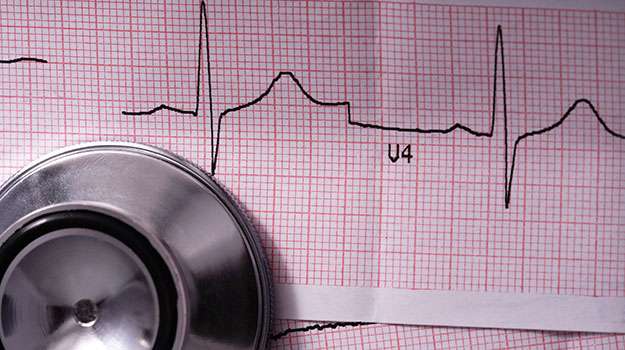
EPS combined with catheter ablation serves both diagnostic and therapeutic roles in managing cardiac arrhythmias. It identifies abnormal electrical pathways causing irregular heartbeat then destroys them selectively to restore rhythm stability.
- Symptoms motivating EPS include palpitations, dizziness, unexplained syncope, or documented arrhythmias resistant to medication treatment.
- The study involves inserting electrode catheters into heart chambers via veins enabling mapping of electrical impulses propagation within myocardium structures.
- If an aberrant focus or reentry circuit responsible for arrhythmia is discovered during EPS, ablation employs radiofrequency energy delivered through catheters to eliminate problematic tissue areas immediately thereafter.'
TRANSCATHETER AORTIC VALVE REPLACEMENT (TAVR)
TAVR is a cutting-edge option for treating severe aortic valve stenosis without conventional open-heart surgery. It involves placing a new valve via catheterization techniques inside the diseased valve.
- Aortic stenosis results from age-related calcification or congenital defects causing obstruction in blood flow from the heart’s left ventricle to the body.
- Severe symptoms like breathlessness, chest discomfort, or fainting prompt echocardiography and cardiac catheterization for diagnosis confirmation.
- The procedure inserts a collapsible replacement valve through an artery in the groin or chest which expands at the site of narrowing restoring normal valve function.
- TAVR suits patients at high surgical risk due to age or comorbidities offering shorter recovery times compared to traditional surgery options.
This innovation significantly improves survival rates and symptom relief among elderly individuals affected by valvular heart disease.
IMPLANTABLE CARDIOVERTER DEFIBRILLATOR (ICD) IMPLANTATION
An implantable cardioverter defibrillator is a device placed under the skin that monitors heart rhythm and automatically delivers shocks if dangerous arrhythmias occur. It prevents sudden cardiac death.
- Conditions leading to ICD placement include ventricular tachycardia or fibrillation that risk life-threatening irregular heartbeats.
- Diagnostic tools include electrocardiograms (ECG), Holter monitoring, and electrophysiology studies that identify arrhythmia severity and origin.
- The ICD implantation procedure involves minor surgery under local anesthesia where leads are positioned inside heart chambers connected to the device generator implanted below the collarbone.
- Following implantation, regular follow-up ensures device function and battery longevity with minimal lifestyle adjustments required by most patients.
This technology provides continuous protection against fatal arrhythmias while allowing patients to maintain active lives safely.
PERCUTANEOUS CORONARY INTERVENTION (PCI)
This minimally invasive procedure is designed to open narrowed coronary arteries using balloon angioplasty and stent placement. It helps restore blood flow without open surgery.
- Atherosclerosis causing plaque accumulation leads to blockages in coronary vessels, resulting in chest pain or heart attacks.
- Diagnosis involves imaging techniques such as angiograms that visualize artery narrowing in real time.
- The treatment uses catheters inserted through arteries to inflate a balloon at the blockage site and deploy a stent that keeps the vessel open.
- Patients are usually discharged within a few days but require medications like antiplatelet agents afterward to prevent clotting around the stent.
- This intervention is effective for many acute heart attack cases and stable angina with specific localized blockages.
PCI offers quicker recovery compared to surgery while effectively alleviating symptoms associated with coronary artery disease.
CORONARY ARTERY BYPASS GRAFTING (CABG)
Coronary artery bypass grafting is a surgical procedure aimed at improving blood flow to the heart muscle when coronary arteries are blocked or narrowed. It involves creating a new pathway around the obstructed vessels.
- The primary cause is the buildup of fatty deposits called plaques inside coronary arteries, leading to reduced oxygen supply and chest pain.
- Diagnosis typically relies on angiography, stress tests, and clinical evaluation of symptoms such as angina and shortness of breath.
- Treatment includes open-heart surgery where healthy blood vessels from other parts of the body are grafted to bypass the blockage.
- Recovery may involve hospital stay for monitoring followed by cardiac rehabilitation exercises and lifestyle modifications.
- This surgery is recommended for patients with severe artery blockages not amenable to less invasive treatments like stenting.
With appropriate care post-surgery, patients often experience significant relief from symptoms and improved quality of life.