
Dr Lal Chand Dhok
About Me
Dr Lal Chand Dhok
MBBS
General Physician
Biography
My Clinic
OPD Hours
| Monday | Morning | 10:00 AM | - | 02:00 PM |
| Evening | 06:00 PM | - | 09:00 PM | |
| Tuesday | Morning | 10:00 AM | - | 02:00 PM |
| Evening | 06:00 PM | - | 09:00 PM | |
| Wednesday | Morning | 10:00 AM | - | 02:00 PM |
| Evening | 06:00 PM | - | 09:00 PM | |
| Thursday | Morning | 10:00 AM | - | 02:00 PM |
| Evening | 06:00 PM | - | 09:00 PM | |
| Friday | Morning | 10:00 AM | - | 02:00 PM |
| Evening | 06:00 PM | - | 09:00 PM | |
| Saturday | Morning | 10:00 AM | - | 02:00 PM |
| Evening | 06:00 PM | - | 09:00 PM | |
| Sunday | Morning | 10:00 AM | - | 02:00 PM |
| Evening | 06:00 PM | - | 09:00 PM |
Treatments
Specialised care and treatments offered
URINARY TRACT INFECTION (UTI)
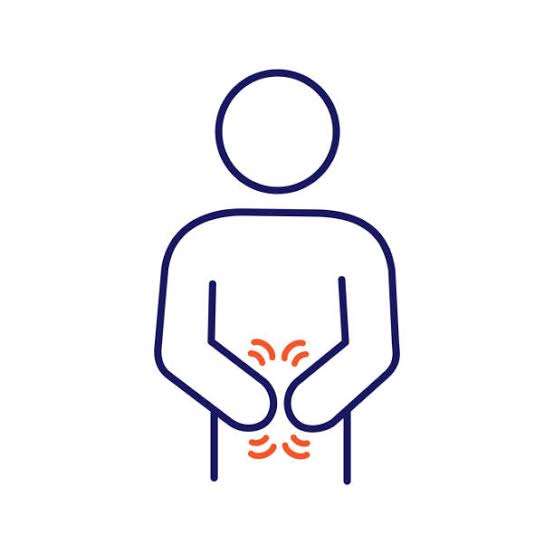
A urinary tract infection (UTI) occurs when bacteria infiltrate any part of the urinary system—kidneys bladder urethra—and multiplies causing irritation within those areas manifesting various symptoms. The likelihood increases among women compared males generally due anatomical differences present
- Symptoms frequently include burning sensations during urination motivated urgency & frequent urges along lower abdominal discomfort indicating possible infections occurring consecutively;
- Diagnosis hinges upon accurately submitting urine samples analyzed under laboratory conditions yielding definitive identification towards pathogens involved;
- Treatment revolves around prescribed antibiotics tailored specifically targeting pathogen types encountered ensuring effective eradication preventing complications arising thereafter;
- Drinking plenty fluids assist flushing out infectious agents further supporting recovery processes actively once diagnosed = enhancing comfort levels overall;
A proactive approach towards maintaining urinary hygiene prevents reinfection whilst bolstering resilience against future UTIs!
PNEUMONIA

Pneumonia refers to an infection that inflates air sacs in one or both lungs which may fill with fluid. It's commonly caused by bacteria but can also result from viruses or fungi. This condition can be serious particularly for young children or older adults who may face more significant risks from this illness
- The key symptoms encompass cough (which may produce phlegm), fever/chills & difficulty breathing which may prompt immediate medical attention depending on severity;
- Diagnosis generally involves chest X-rays alongside sputum cultures wherein laboratory tests reveal underlying pathogens causing infection
- Treatment typically comprises antibiotics if bacterial pneumonia suspected ; antiviral medications support patients exhibiting viral forms
- Vaccinations play a fundamental role in prevention possibilities thereby limiting overall exposure simultaneously
Timely intervention leads towards improved outcomes while fostering fuller returns toward pre-pnuemonia health over time!
ACUTE GASTROENTERITIS

Acute gastroenteritis is an inflammation of the stomach and intestines characterized by diarrhea, vomiting, abdominal pain, and cramping. It's often caused by viral infections but can also result from bacteria or parasites.
- The main symptoms include watery diarrhea, nausea/vomiting episodes, fever chills, and abdominal discomfort which can vary in severity among individuals.
- A thorough medical history along with physical examination helps identify dehydration levels that might require specialized care or IV fluids for rehydration when necessary.
- Treatment primarily focuses on hydration via oral rehydration solutions while allowing time for recovery without solid food initially; antibiotics may be warranted if a bacterial cause is confirmed.
- Preventive measures like frequent handwashing are crucial to minimize transmission in community settings like schools or daycare centers where outbreaks are common
Catching gastroenteritis early aids recovery while significantly reducing symptom duration for better comfort!
ASTHMA
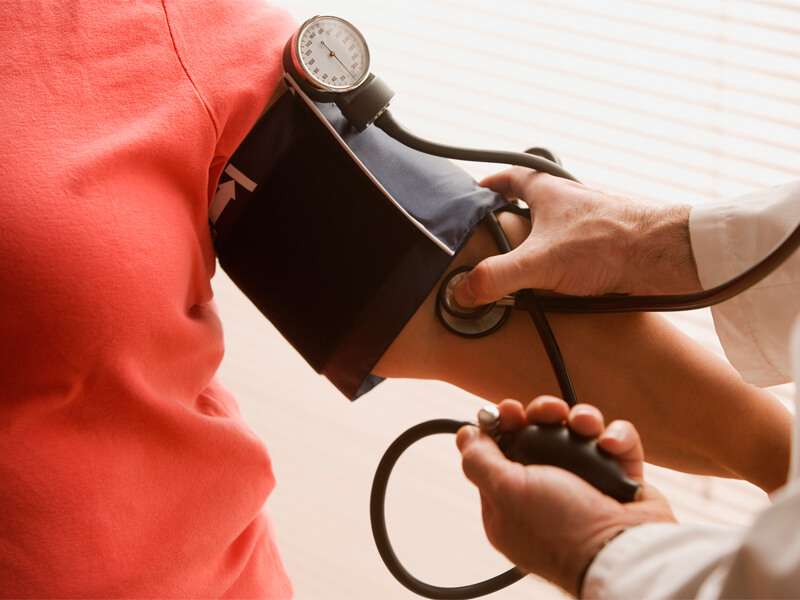
Asthma is a respiratory condition characterized by inflammation and narrowing of the airways, leading to difficulty in breathing. It affects people of all ages but typically starts in childhood.
- Common symptoms include wheezing, coughing (especially at night), chest tightness, and shortness of breath during physical activity or exposure to allergens.
- A diagnosis usually requires a physical examination alongside lung function tests like spirometry to evaluate airflow obstruction.
- Treatment includes bronchodilators that provide quick relief during asthma attacks and corticosteroids for long-term control of inflammation.
- A personalized asthma action plan helps patients identify triggers and manage symptoms efficiently during flare-ups.
- Patients can lead active lives with proper management while minimizing exposure to known triggers such as smoke or pollen.
An informed approach allows individuals living with asthma to breathe easier each day.
DIABETES MELLITUS
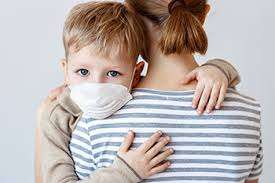
Diabetes mellitus is a chronic condition marked by elevated levels of glucose in the blood due to insulin deficiency or resistance. This condition requires ongoing management to prevent long-term complications.
- Symptoms may include excessive thirst, frequent urination, blurred vision, and fatigue.
- Diagnosis often involves blood tests measuring glucose levels during fasting or post-meal periods.
- Treatment strategies include a combination of dietary modifications, physical activity, medication, and in some cases, insulin therapy.
- Monitoring blood sugar levels regularly is vital for managing the condition effectively and preventing potential complications like neuropathy or cardiovascular diseases.
- A supportive approach involving education about self-management techniques plays a crucial role in improving quality of life for patients with diabetes.
Early diagnosis and proactive management are key to living well with diabetes mellitus.
HYPERTENSION
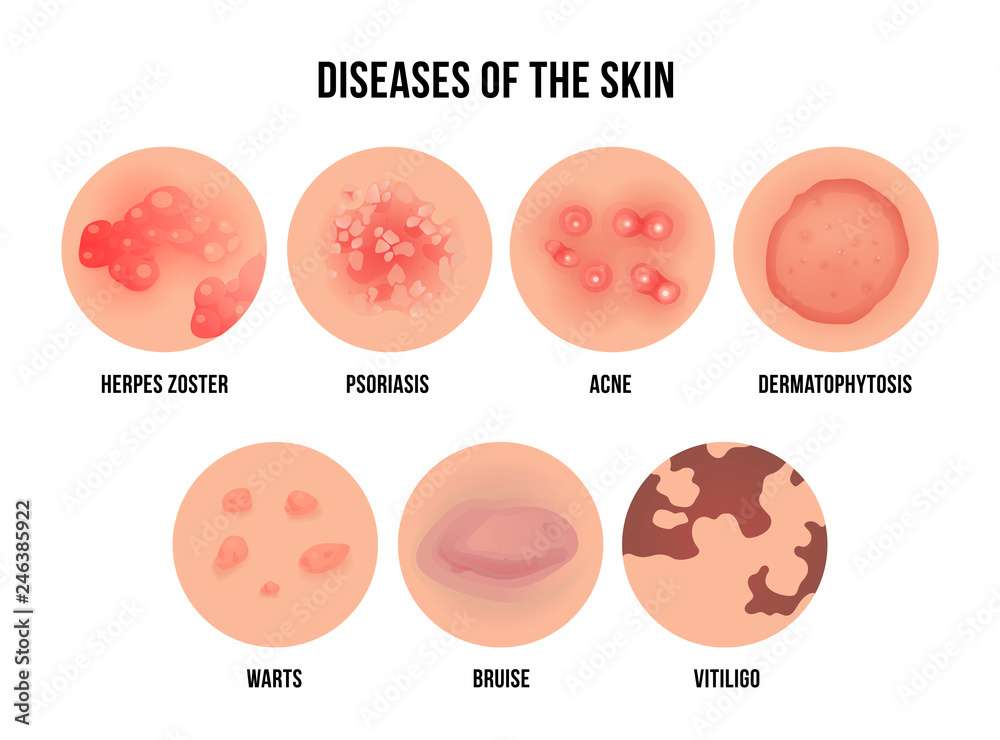
Hypertension, commonly known as high blood pressure, is a condition where the force of the blood against the artery walls is consistently too high. It can lead to severe health complications if left untreated.
- Common symptoms include headaches, shortness of breath, and nosebleeds, though it often goes unnoticed.
- Diagnosis typically involves measuring blood pressure through a sphygmomanometer during routine check-ups or assessments.
- Treatment options range from lifestyle changes such as diet and exercise to medications including diuretics and ACE inhibitors.
- Regular monitoring is essential; patients might need periodic adjustments in their treatment plan based on response.
- If managed properly, individuals with hypertension can lead normal, healthy lives with minimal risk of serious complications.
Taking proactive steps towards management can significantly reduce health risks associated with hypertension.