
Dr Lal PathLabs
About Me
Dr Lal PathLabs
Allergist and Immunologist
Biography
My Clinic
OPD Hours
| Tuesday | Morning | 10:00 AM | - | 02:00 PM |
| Evening | 06:00 PM | - | 09:00 PM | |
| Wednesday | Morning | 10:00 AM | - | 02:00 PM |
| Evening | 06:00 PM | - | 09:00 PM | |
| Thursday | Morning | 10:00 AM | - | 02:00 PM |
| Evening | 06:00 PM | - | 09:00 PM | |
| Friday | Morning | 10:00 AM | - | 02:00 PM |
| Evening | 06:00 PM | - | 09:00 PM | |
| Saturday | Morning | 10:00 AM | - | 02:00 PM |
| Evening | 06:00 PM | - | 09:00 PM | |
| Sunday | Morning | 10:00 AM | - | 02:00 PM |
| Evening | 06:00 PM | - | 09:00 PM | |
| Thursday | Morning | 10:00 AM | - | 02:00 PM |
| Evening | 06:00 PM | - | 09:00 PM |
Treatments
Specialised care and treatments offered
ALLERGY IMMUNOTHERAPY
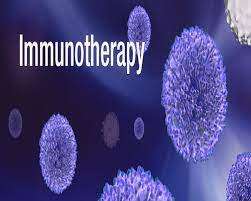
Allergy immunotherapy is a long-term treatment option designed to reduce sensitivity to allergens over time. This method has shown promising results particularly in managing various allergic conditions including asthma and allergic rhinitis.
- The process involves gradually increasing doses of allergen extracts administered through injections (subcutaneous immunotherapy) or under-the-tongue tablets (sublingual immunotherapy).
- A thorough evaluation determines which specific allergens should be targeted through testing procedures before commencing therapy.'
- 'Side effects are generally mild but monitoring during initial sessions ensures safety.'
'This proactive approach provides significant benefits over time while enhancing overall quality of life.'
SINUSITIS TREATMENT

Sinusitis is an inflammation of the sinuses that can cause significant discomfort through facial pressure and nasal blockage. This condition can occur acutely or become chronic over time.
- Symptoms often include facial pain or pressure, thick nasal discharge, fever, fatigue, and reduced sense of smell or taste.
- A health care professional diagnoses sinusitis via physical examination along with imaging studies if necessary to assess inflammation levels in the sinuses.
- Treatments include saline nasal washes, decongestants for symptom relief, and sometimes antibiotics if a bacterial infection is present.
- Your doctor may recommend steroids to reduce swelling in cases where chronic sinusitis persists despite other treatments being ineffective.
A comprehensive treatment approach aims to alleviate symptoms while preventing future episodes of sinusitis effectively.
FOOD ALLERGY TESTING

Food allergies occur when the immune system reacts abnormally to certain foods. Symptoms can range from mild discomfort to severe anaphylactic reactions that require immediate attention.
- Main symptoms include hives, swelling of lips or throat, stomach cramps, or breathing difficulties after consuming allergenic foods such as nuts or shellfish.
- A definitive diagnosis usually involves blood tests measuring IgE antibodies or skin prick testing for suspected allergens.
- An elimination diet may also be recommended to identify specific triggers by removing suspected foods from your diet temporarily.
- The primary treatment strategy centers around strict avoidance of trigger foods combined with having emergency medication like epinephrine readily available for severe reactions.
A personalized action plan is essential for safely managing food allergies and reducing risks associated with accidental exposure.
ECZEMA TREATMENT
Eczema, also known as atopic dermatitis, is a chronic skin condition that causes red and itchy patches on the skin. It often begins in childhood but can affect individuals at any age.
- The condition may be triggered by environmental factors such as allergens, irritants, or stress.
- A thorough medical history along with physical examination aids in the diagnosis; sometimes skin tests are performed to rule out allergies.
- Treatment focuses on moisturizing creams and ointments to protect the skin barrier alongside topical steroids for flare-ups.
- Lifestyle modifications such as avoiding hot showers and harsh soaps play a vital role in managing symptoms effectively.
Eczema management requires a comprehensive approach tailored to each individual’s unique triggers and symptoms for optimal relief.
ASTHMA MANAGEMENT
Asthma is a chronic respiratory condition characterized by inflammation and narrowing of the airways. This results in episodic wheezing, shortness of breath, chest tightness, and coughing.
- Triggers may include allergens like pollen or dust mites, smoke, exercise, or cold air.
- A proper diagnosis often involves spirometry tests to measure lung function and identify asthma severity.
- Treatment typically includes inhaled corticosteroids, bronchodilators for quick relief, and developing an asthma action plan.
- Regular follow-ups help adjust treatment as needed to maintain control over symptoms effectively.
With appropriate management strategies in place, individuals with asthma can lead active lives with minimal disruption from symptoms.
ALLERGIC RHINITIS
Allergic rhinitis, commonly known as hay fever, is an allergic reaction that affects the nasal passages. Symptoms occur when allergens trigger an immune response in the body.
- Common symptoms include sneezing, itchy or runny nose, and nasal congestion.
- Diagnosis is typically performed through patient history and can be confirmed with allergy tests.
- Treatment options may involve antihistamines, nasal corticosteroids, and avoiding known allergens.
- You can expect some relief within a few hours of treatment, although full symptom control might take longer.
Managing allergic rhinitis effectively enhances quality of life and reduces discomfort throughout allergy seasons.