
Dr Lal PathLabs
About Me
Dr Lal PathLabs
MD
Hematologists
10 Years Experience
Biography
My Clinic
OPD Hours
| Monday | Morning | 10:00 AM | - | 02:00 PM |
| Evening | 06:00 PM | - | 09:00 PM | |
| Tuesday | Morning | 10:00 AM | - | 02:00 PM |
| Evening | 06:00 PM | - | 09:00 PM | |
| Wednesday | Morning | 10:00 AM | - | 02:00 PM |
| Evening | 06:00 PM | - | 09:00 PM | |
| Thursday | Morning | 10:00 AM | - | 02:00 PM |
| Evening | 06:00 PM | - | 09:00 PM | |
| Friday | Morning | 10:00 AM | - | 02:00 PM |
| Evening | 06:00 PM | - | 09:00 PM | |
| Saturday | Morning | 10:00 AM | - | 02:00 PM |
| Evening | 06:00 PM | - | 09:00 PM | |
| Sunday | Morning | 10:00 AM | - | 02:00 PM |
| Evening | 06:00 PM | - | 09:00 PM |
Treatments
Specialised care and treatments offered
HEMOSTASIS TESTING
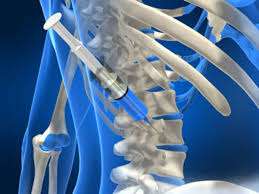
The hemostasis testing process assesses how well your body forms clots. Understanding this function is critical when evaluating bleeding tendencies or clotting disorders that may exist in patients versus normal controls throughout their lifespan.
BONE MARROW DISORDERS

Bone marrow disorders impact blood cell production within the bone marrow. Conditions such as leukemia necessitate prompt evaluation due to their serious implications for overall health.
HEMOGLOBINOPATHIES

This category includes genetic disorders affecting hemoglobin structure or production. Hemoglobinopathies can lead to significant health issues without proper management strategies in place.
- Symptoms: Patients might present with chronic fatigue, pain episodes (in sickle cell disease), or jaundice due to hemolysis.
- Diagnosis: Blood tests like hemoglobin electrophoresis help identify specific types of hemoglobin abnormalities for accurate diagnosis.
- Treatment: Treatment options include pain relief therapies, regular blood transfusions, and new medications aimed at modifying disease severity.
- What to Expect: A proactive management plan will involve routine follow-ups focused on avoiding crisis events related to the condition's nature.
Education about these conditions empowers patients in making informed decisions regarding their healthcare journey.
COAGULATION DISORDERS

Coagulation disorders affect how blood clots, which can lead to excessive bleeding or thrombosis. Identifying these disorders is vital for effective management.
- Symptoms: Symptoms may include easy bruising, prolonged bleeding from cuts, or swelling due to clots.
- Diagnosis: The diagnosis typically involves clotting factor tests and possibly genetic testing if a hereditary condition is suspected.
- Treatment: Treatments vary based on the type of disorder but may involve anticoagulants or lifestyle modifications to minimize risk factors.
- What to Expect: Ongoing assessments are important for adjusting treatment plans as necessary based on individual response.
Catching these disorders early allows for better symptom management and reduces risks associated with abnormal clotting processes.
ANEMIA EVALUATION

Anemia is a condition characterized by a deficiency of red blood cells or hemoglobin, resulting in reduced oxygen flow to the body's organs. Understanding the cause of anemia is crucial for effective treatment.
- Symptoms: Patients may experience weakness, paleness, shortness of breath, and heart palpitations.
- Diagnosis: A careful evaluation includes blood tests to measure hemoglobin levels and iron studies.
- Treatment: Treatment options range from dietary changes and supplements to medications or more advanced therapies like erythropoietin injections.
- What to Expect: Management often requires regular check-ups to monitor hemoglobin levels and overall health status.
A thorough approach ensures that patients receive appropriate care tailored to their specific type of anemia.
BLOOD DISORDERS

Blood disorders encompass various conditions affecting the blood's ability to function properly. These issues can lead to severe health complications if left untreated.
- Symptoms: Common signs include fatigue, frequent infections, and unusual bruising or bleeding.
- Diagnosis: Diagnosis often involves complete blood counts, specialized blood tests, and sometimes a bone marrow biopsy.
- Treatment: Management may include medications, transfusions, or lifestyle changes, depending on the specific disorder.
- What to Expect: Regular monitoring and follow-up are essential to manage symptoms effectively and prevent complications.
Early detection and intervention can significantly improve quality of life for those affected by these conditions.