
Dr Lal PathLabs J
About Me
Dr Lal PathLabs J
MBBS
General Physician
Biography
My Clinic
OPD Hours
| Monday | Morning | 10:00 AM | - | 02:00 PM |
| Evening | 06:00 PM | - | 09:00 PM | |
| Tuesday | Morning | 10:00 AM | - | 02:00 PM |
| Evening | 06:00 PM | - | 09:00 PM | |
| Wednesday | Morning | 10:00 AM | - | 02:00 PM |
| Evening | 06:00 PM | - | 09:00 PM | |
| Thursday | Morning | 10:00 AM | - | 02:00 PM |
| Evening | 06:00 PM | - | 09:00 PM | |
| Friday | Morning | 10:00 AM | - | 02:00 PM |
| Evening | 06:00 PM | - | 09:00 PM | |
| Saturday | Morning | 10:00 AM | - | 02:00 PM |
| Evening | 06:00 PM | - | 09:00 PM | |
| Sunday | Morning | 10:00 AM | - | 02:00 PM |
| Evening | 06:00 PM | - | 09:00 PM |
Treatments
Specialised care and treatments offered
GASTROESOPHAGEAL REFLUX DISEASE (GERD) MANAGEMENT
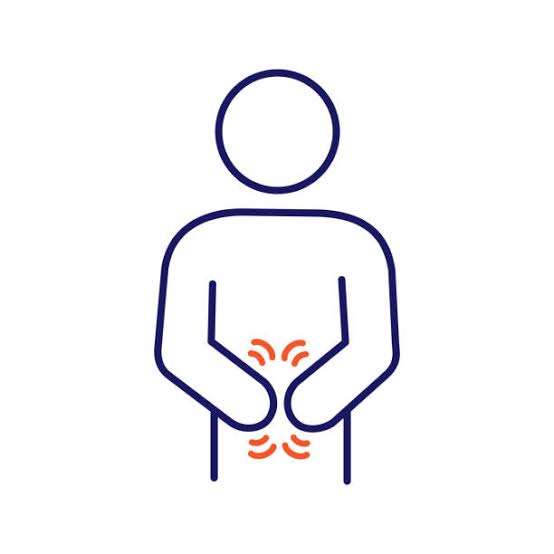
Gastroesophageal reflux disease (GERD) is a chronic digestive condition wherein stomach acid frequently flows back into the esophagus causing discomfort & potential long-term health issues if ignored appropriately.
- Common symptoms entail persistent heartburn accompanied by regurgitation after meals coupled with difficulty swallowing particularly at night
- Diagnosis typically requires thorough evaluations via endoscopy assessing esophageal lining damage followed by possible pH testing
- Lifestyle modifications play a significant role encompassing dietary changes alongside weight loss strategies whereas medications serve relief such as proton pump inhibitors for acid suppression paired with anti-reflux agents too
- Long-term management involves periodic assessments helping optimize treatments ensuring minimal disruptions during daily routines
Successfully managing GERD provides immense relief empowering individuals towards improved digestive wellness promoting satisfaction whilst enjoying meals again!
THYROID DISORDERS ASSESSMENT

Thyroid disorders encompass conditions where the thyroid gland does not function optimally; this impacts metabolic processes throughout the body. Early assessment ensures effective regulation of thyroid hormones that are vital for numerous bodily functions.
- Individuals may experience symptoms like weight fluctuations, fatigue, mood changes or sensitivity to temperatures depending on whether they have hypothyroidism or hyperthyroidism
- A comprehensive evaluation involving blood tests measuring TSH (Thyroid Stimulating Hormone), T3 & T4 levels aids diagnosis alongside additional imaging if necessary
- Treatment options range from hormone replacement therapy for underactive thyroids or antithyroid medications aimed at reducing hormone production where applicable
ANEMIA EVALUATION

Anemia occurs when your body lacks sufficient healthy red blood cells to carry adequate oxygen to tissues. It can lead to fatigue and other health concerns if not accurately diagnosed early on.
- The most prevalent symptoms include extreme tiredness, weakness, pale skin, and shortness of breath during everyday activities.
- A complete blood count (CBC) test assists in diagnosing anemia by evaluating the number of red blood cells in circulation along with hemoglobin levels.
- Treatment depends on the underlying cause but may involve dietary changes rich in iron or vitamin B12 supplements alongside medication options in certain cases.
- Monitoring hemoglobin levels regularly helps evaluate treatment responses over time while mitigating further risks associated with anemia-related complications such as heart issues.
An informed approach toward anemia management enhances your overall health landscape significantly as you regain vitality through proper care practices!
RESPIRATORY INFECTIONS TREATMENT
Respiratory infections can vary from mild colds to severe pneumonia. Early diagnosis and appropriate treatment are critical in managing these ailments effectively.
- Symptoms may present as cough, fever, fatigue, or shortness of breath depending on the infection's severity and type.
- Your healthcare provider will usually diagnose respiratory infections through physical examinations and might recommend imaging tests like chest X-rays if needed.
- Treatment often includes rest, hydration, over-the-counter remedies for symptom relief, but may require antibiotics if a bacterial infection is confirmed.
- A follow-up consultation ensures recovery is on track and addresses any lingering symptoms that could indicate complications.
Understanding how to treat respiratory infections can lead to timely recovery while preventing spread during peak seasons like winter months.
DIABETES MELLITUS CARE

Diabetes mellitus is a chronic condition characterized by high blood sugar levels due to insulin resistance or deficiency. Proper management is essential for maintaining overall health and preventing complications.
- Common symptoms include frequent urination, increased thirst, and fatigue, which may vary based on the type of diabetes.
- This condition is diagnosed via blood tests that measure glucose levels, including fasting blood sugar tests and HbA1c tests that indicate long-term control.
- A combination of dietary modifications, physical activity, and medication management forms the backbone of treatment strategies for diabetes control.
- Regular monitoring of blood sugar levels helps patients understand their condition better and manage their daily activities effectively.
- The goal is to minimize complications such as nerve damage or cardiovascular issues through consistent care and lifestyle adjustments.
A proactive approach can significantly enhance quality of life for those living with diabetes mellitus.
HYPERTENSION MANAGEMENT

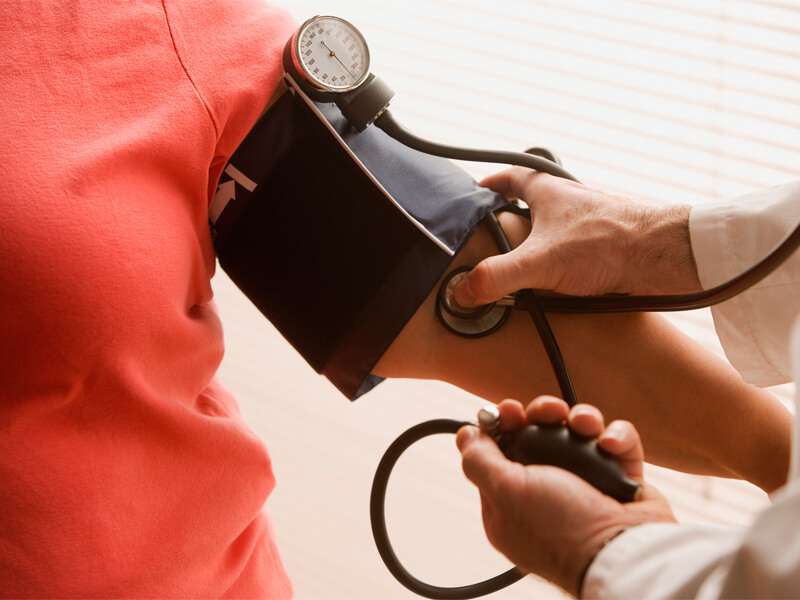
Hypertension, or high blood pressure, is a common condition that can lead to serious health issues if left untreated. It often goes unnoticed, making regular monitoring essential.
- Symptoms may include headaches, shortness of breath, and nosebleeds, though many individuals do not experience noticeable symptoms.
- Diagnosis typically involves measuring blood pressure at a healthcare provider's office or utilizing home monitors for accurate readings.
- Treatment options include lifestyle changes such as diet and exercise as well as medications like diuretics or ACE inhibitors tailored to individual needs.
- Ongoing management is crucial; regular check-ups help assess treatment effectiveness and adjust as necessary.
- Patients should be aware of potential complications, which can include heart disease and stroke if hypertension persists.
Effective management of hypertension allows individuals to live healthier lives while reducing risk factors associated with serious conditions.