
Dr Lal PathLabs
About Me
Dr Lal PathLabs
MD
Radiologist
10 Years Experience
Biography
My Clinic
OPD Hours
| Monday | Morning | 10:00 AM | - | 02:00 PM |
| Evening | 06:00 PM | - | 09:00 PM | |
| Tuesday | Morning | 10:00 AM | - | 02:00 PM |
| Evening | 06:00 PM | - | 09:00 PM | |
| Wednesday | Morning | 10:00 AM | - | 02:00 PM |
| Evening | 06:00 PM | - | 09:00 PM | |
| Thursday | Morning | 10:00 AM | - | 02:00 PM |
| Evening | 06:00 PM | - | 09:00 PM | |
| Friday | Morning | 10:00 AM | - | 02:00 PM |
| Evening | 06:00 PM | - | 09:00 PM | |
| Saturday | Morning | 10:00 AM | - | 02:00 PM |
| Evening | 06:00 PM | - | 09:00 PM | |
| Sunday | Morning | 10:00 AM | - | 02:00 PM |
| Evening | 06:00 PM | - | 09:00 PM |
Services
Specialised care and treatments offered
X-RAY IMAGING
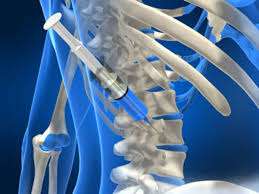
X-ray imaging represents one of the most commonly employed diagnostic tools allowing visualization inside human anatomy through electromagnetic radiation exposure aimed at generating images based upon varying densities exhibited throughout targeted areas effectively assisting clinical evaluations orchestrating optimal therapeutic pathways thereafter!
- Symptoms/causes : Primarily utilized when assessing bone fractures arising post-trauma along identifying pathological phenomena affecting established frameworks including arthritis-related transformations prevalent amongst adult populations especially those indulging strenuous activities abruptly disrupting functionality acquired overtime.
- Diagnosis : Radiologists analyze x-rays discerning intricate details embedded amid skeletal configurations scrutinizing possible damage revealing concealed insights potentially elevating chances driving prompt corrective action accordingly tailored individual cases adapting appropriately suited directives required thereafter ensuing phases initiated promptly.
- Treatment/management options : While x-ray findings alone don’t directly yield cures nevertheless guiding determination invoking necessary remedial operations surgically aligned rehabilitating dependent spectrum encountering diverse ailments exacerbated necessitated interventions subsequently embarked upon closely monitored thereafter.
- What To Expect : Assessing x-rays happens expediently with sessions roughly lasting ten-fifteen minutes depending complexity carried forward— individuals generally require repositioning themselves once achieving each angle critical optimizing results obtained swiftly facilitating seamless transference conducted method observing strict protocols adhered ensuring safety monitored carefully regarding given parameters encapsulated preparatory contexts engaged beforehand keep experiences considerably positive throughout!
X-rays serve crucial functionality enabling proficient diagnostics streamlining further engagement needed following determined emerging trends observed marking evident markers spotted throughout journey leading enhanced recovery processes ultimately reaching holistic health improvements sought respecting principles adhered actively across multidisciplinary domains tied concerning respective workflows fulfilled!
FLUOROSCOPY

The fluoroscopy procedure provides real-time moving images of the internal structures within the body using X-ray technology. It allows radiologists to visualize functional processes such as movement within digestive tracts or assess musculoskeletal systems under stress situations—making it immensely valuable across many fields including gastroenterology & orthopedics alike!
- Symptoms/causes : Patients presenting with digestive complaints like swallowing difficulties might require this form of evaluation along with those needing assessment post-injury involving joints/muscles whereby dynamic function investigation becomes crucial.
- Diagnosis : Radiologists leverage fluoroscopic studies mainly identifying functional impairments rather than static anomalies seen previously via traditional image methods thereby enriching possibilities leading towards precise interceptive strategies.
- Treatment/management options : Fluoroscopy often aids interventions involving catheter placements & injections furthermore supporting surgery guidance alongside aiding direct visualization enhancing safety protocols undergone treatments effectively managed!
- What To Expect : During fluoroscopic assessments posed relatively straightforward wherein patients could anticipate having contrast media ingested administratively prior coming under X-radiation apparatus employing specific techniques conforming towards achieving satisfactory results accrued rapidly creating more streamlined approaches underlying given respective procedures at hand!
This method proves advantageous helping clinicians enhance understanding surrounding bodily functions assisting formulations directed toward better management resulting improved quality overall procedural adherence recommended practices associated therein thereof!
MAMMOGRAPHY

Mammography is an X-ray examination specifically designed for breast tissue evaluation. It plays an essential role in early breast cancer detection by identifying abnormalities even before symptoms appear.
- Symptoms/causes: Regular mammograms are typically performed on women over 40 years old or younger women with higher risk factors like family history of breast cancer. Symptoms prompting immediate evaluation might include lumps or changes in breast appearance.
- Diagnosis: Radiologists analyze mammograms for signs of tumors or calcifications that may indicate malignancy; they serve as vital screening tools within comprehensive breast health programs coordinated by healthcare providers.
- Treatment/management options: Depending on findings from mammograms followed by possible additional imaging tests (like biopsies), treatment can range from observation to surgical intervention if necessary after confirming diagnosis via further testing methods.
- What to expect: The procedure typically lasts around 20 minutes; patients will be asked to position each breast gently between two plates while a technician captures detailed images needed for thorough analysis while minimizing discomfort as much as possible during compression stages involved in film capture process overall ensures optimal results achieved expediently!
Mammography has been proven invaluable not only in detecting early-stage cancers but also serving as preventive measures through routine screenings among populations prone towards certain risks thus improving outcomes greatly!
ULTRASOUND IMAGING

Ultrasound imaging utilizes high-frequency sound waves to create real-time images of structures within the body. This technique is particularly beneficial for examining soft tissues and assessing various medical conditions during pregnancy or other health assessments.
- Symptoms/causes: Doctors often recommend ultrasounds when patients present symptoms such as unusual swelling or pain in different parts of the body. Conditions related to reproductive health frequently warrant ultrasound evaluations as well.
- Diagnosis: Ultrasound is widely used for diagnosing pregnancies but also plays a role in identifying gallstones, kidney stones, heart problems, and other abdominal issues due to its ability to visualize internal organs clearly.
- Treatment/management options: While it’s primarily a diagnostic tool, ultrasound-guided procedures like biopsies can assist in treatment plans based on ultrasound findings.
- What to expect: During this procedure, a gel will be applied on the skin surface where sound waves will be transmitted. Patients may be required to drink water beforehand to fill their bladder for specific exams related to pelvic assessment.
This imaging modality is safe and painless and offers invaluable insights into many medical concerns without exposure to ionizing radiation.
CT SCAN

A CT scan, or computed tomography scan, is an advanced imaging technique that combines X-ray technology with computer processing to produce cross-sectional images of the body. It plays a crucial role in diagnosing numerous medical conditions with clarity and precision.
- Symptoms/causes: This imaging test is typically recommended for patients experiencing severe abdominal pain, headaches, or any unexplained symptoms that may point toward internal injuries or diseases.
- Diagnosis: A CT scan assists physicians in visualizing organs, blood vessels, and bones. It's valuable for detecting conditions such as cancers, internal bleeding, or infections.
- Treatment/management options: Although the CT scan itself doesn’t provide treatment, it significantly influences management strategies ranging from monitoring to potential surgical interventions based on diagnostic findings.
- What to expect: The patient lies on a table while the scanner rotates around them. The entire process usually takes about 30 minutes and requires minimal preparation beforehand.
The accuracy of CT scans makes them indispensable tools in modern medicine for ensuring effective diagnosis and subsequent patient care planning.
MRI SCAN

An MRI scan is a non-invasive imaging technique that uses powerful magnets and radio waves to create detailed images of organs and tissues inside the body. This diagnostic tool is pivotal in providing insight into various medical conditions, helping healthcare professionals make informed decisions.
- Symptoms/causes: MRI scans are often ordered when symptoms such as unexplained pain, swelling, or neurological issues arise. They can help diagnose conditions like tumors, joint disorders, and brain conditions.
- Diagnosis: Physicians utilize MRI scans as part of a larger clinical evaluation process that may include physical examinations and other diagnostic tests.
- Treatment/management options: While an MRI itself does not treat any condition, it provides critical information that guides treatment plans ranging from medication to surgical interventions.
- What to expect: During the procedure, patients lie on a table that slides into the MRI machine. The process lasts about 30-60 minutes and requires patients to remain still to avoid motion artifacts in the images.
MRI scans are essential for accurately diagnosing various health issues and monitoring treatment effectiveness over time.