
Dr Lalit Bhardwa
About Me
Dr Lalit Bhardwa
MD
Neurologist
10 Years Experience
Biography
My Clinic
OPD Hours
| Monday | Morning | 10:00 AM | - | 02:00 PM |
| Evening | 06:00 PM | - | 09:00 PM | |
| Tuesday | Morning | 10:00 AM | - | 02:00 PM |
| Evening | 06:00 PM | - | 09:00 PM | |
| Wednesday | Morning | 10:00 AM | - | 02:00 PM |
| Evening | 06:00 PM | - | 09:00 PM | |
| Thursday | Morning | 10:00 AM | - | 02:00 PM |
| Evening | 06:00 PM | - | 09:00 PM | |
| Friday | Morning | 10:00 AM | - | 02:00 PM |
| Evening | 06:00 PM | - | 09:00 PM | |
| Saturday | Morning | 10:00 AM | - | 02:00 PM |
| Evening | 06:00 PM | - | 09:00 PM | |
| Sunday | Morning | 10:00 AM | - | 02:00 PM |
| Evening | 06:00 PM | - | 09:00 PM |
Treatments
Specialised care and treatments offered
NEUROPATHY

Nerve damage resulting from various causes leads to neuropathy which affects sensation , movement capabilities , making early diagnosis paramount . Patients often report discomfort ranging from tingling sensations all the way through chronic pain patterns necessitating targeted interventions for relief!
- Causes : Diabetes remains foremost cause followed closely by traumatic injuries , infections , hereditary factors among others .
- Symptoms : Manifestations vary widely including numbness , sharp pains travelling down limb pathways affecting both upper/lower extremities .
- Diagnostic Techniques : Nerve conduction studies assess functionality while blood tests rule out underlying systemic illnesses causing nerve impairment .
- Treatment Goals : Soft tissue mobilization combined intermittent analgesic regimens provide significant symptomatic alleviation helping patients regain normalcy whenever possible !
Catching neuropathies earlier translates into better prognosis thereby improving overall quality-of-life outcomes substantially long-term!
PARKINSON’S DISEASE
This progressive neurodegenerative disorder primarily affects movement control due to dopamine-producing neuron loss in the brain. Early recognition of its signs is critical for enhancing life quality through effective management strategies available today!
- Symptoms: Typically includes tremors at rest , stiffness , slow movements , along with balance difficulties .
- Diagnosis: Clinical assessment accompanied by neurological exams aim at distinguishing Parkinson's from similar disorders .
- Treatment Options : Medications like levodopa replace dopamine deficiency ; surgical therapies could be indicated based on individual responsiveness .
- Comprehensive Care : Occupational therapy , physical exercises peak importance maintaining independence over time .
An inclusive approach promoting patient education alongside support networks plays an integral part in navigating daily challenges posed by Parkinson’s disease effectively !
MIGRAINE DISORDERS
Migraine attacks are debilitating headaches accompanied by various neurological symptoms. They often come with sensitivity to light and sound. Understanding their triggers helps patients manage their condition effectively
.- Triggers: Stress, certain foods or drinks, hormonal changes often prompt migraine episodes.
- Symptoms: Severe throbbing pain usually on one side of the head paired with nausea or visual disturbances.
- Diagnosis: A thorough neurological evaluation including history taking assists in differential diagnosis from other headache types.
- Treatment Options: Over-the-counter analgesics may help mild cases while prescription medications like triptans target acute attacks effectively.
- Long-term Management: Preventive treatments might include lifestyle adjustments alongside prescribed preventive medications based on frequency and severity of attacks.
Persistent migraines necessitate a proactive approach combining medical guidance with self-management strategies for optimal relief and quality of life improvement when possible
MULTIPLE SCLEROSIS (MS)
This chronic disease affects the central nervous system by damaging myelin sheaths surrounding nerves. MS manifests uniquely in each patient and requires personalized care approaches. Understanding symptoms is essential for early diagnosis and intervention.
- Symptoms: May include fatigue, vision problems, muscle weakness, or coordination difficulties.
- Disease Course: MS often has relapse-remitting or progressive forms impacting treatment decisions significantly.
- Diagnosis: MRI scans can reveal lesions typical of MS along with neurological examinations.
- Treatment Strategies: Medications aim to manage symptoms and modify disease progress while physical therapy supports mobility issues.
A comprehensive care plan tailored to individual needs plays a crucial role in managing Multiple Sclerosis effectively over time.
EPILEPSY
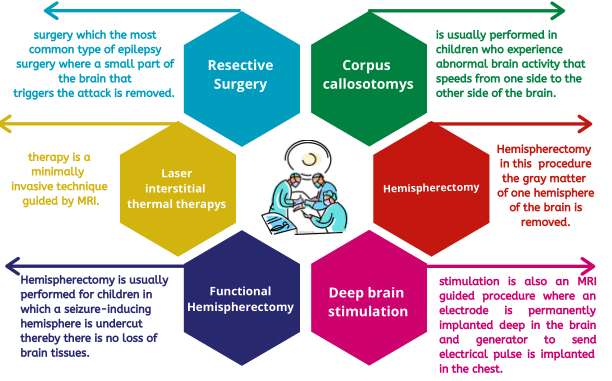
This neurological disorder leads to unpredictable seizures due to abnormal brain activity. Epilepsy is more than just experiencing seizures; it can affect various aspects of life. Understanding triggers and management techniques is vital for those affected.
- Causes: Can be genetic, caused by head trauma, infections, or developmental disorders.
- Symptoms: Involuntary movements, loss of consciousness, sensory disturbances before a seizure occurs.
- Diagnosis: EEGs monitor electrical activity in the brain along with imaging tests to rule out other conditions.
- Treatment Options: Antiepileptic medications are common; some may require surgery if medications are ineffective.
- Lifestyle Management: Keeping a seizure diary helps identify triggers; stress management strategies can also be beneficial.
With effective treatment plans and support systems in place, individuals with epilepsy can lead fulfilling lives.
STROKE
A stroke is a medical emergency that occurs when blood flow to the brain is interrupted, leading to potential brain damage. It can result from a blocked artery (ischemic stroke) or a ruptured blood vessel (hemorrhagic stroke). Recognizing symptoms early is crucial for effective treatment.
- Symptoms: Sudden numbness, confusion, difficulty speaking, or severe headache.
- Diagnosis: Typically involves imaging tests like CT or MRI scans to determine the type and location of the stroke.
- Treatment: Options may include medications such as clot busters for ischemic strokes and surgical interventions for hemorrhagic strokes.
- Management: Rehabilitation services are essential for recovery, focusing on speech therapy, physical rehabilitation, and occupational therapy.
- What to Expect: Early intervention greatly increases recovery chances; ongoing support and lifestyle changes may be necessary post-stroke.
If you notice any symptoms, seek immediate medical help as prompt treatment can save lives and improve outcomes.