
Dr Lalit Modi, B
About Me
Dr Lalit Modi, B
MS
Orthopaedic Surgeons
10 Years Experience
Biography
My Clinic
OPD Hours
| Monday | Morning | 10:00 AM | - | 02:00 PM |
| Evening | 06:00 PM | - | 09:00 PM | |
| Tuesday | Morning | 10:00 AM | - | 02:00 PM |
| Evening | 06:00 PM | - | 09:00 PM | |
| Wednesday | Morning | 10:00 AM | - | 02:00 PM |
| Evening | 06:00 PM | - | 09:00 PM | |
| Thursday | Morning | 10:00 AM | - | 02:00 PM |
| Evening | 06:00 PM | - | 09:00 PM | |
| Friday | Morning | 10:00 AM | - | 02:00 PM |
| Evening | 06:00 PM | - | 09:00 PM | |
| Saturday | Morning | 10:00 AM | - | 02:00 PM |
| Evening | 06:00 PM | - | 09:00 PM | |
| Sunday | Morning | 10:00 AM | - | 02:00 PM |
| Evening | 06:00 PM | - | 09:00 PM |
Treatments
Specialised care and treatments offered
HIP REPLACEMENT SURGERY
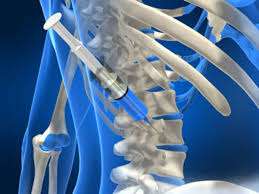
This surgery aims to relieve hip pain caused by conditions like arthritis by replacing damaged hip joints with artificial ones. Understanding hip replacement surgery helps individuals make informed decisions about their orthopedic care options available!> . < l i >Causes: > Those suffering wear-and-tear scenarios resulting primarily due inflammatory issues must consider varying degrees dysfunction throughout their lifetime periods dealing respective motions which deteriorate structural integrity involved./< / l i >> . < l i >Diagnosis:< < / s trong >> In-depth assessment paired x-ray examinations tailored confirm level damage present enhancing overall surgical plan quality desired extending longevity gained post-op advantages./< / l i >> . < l i >Treatment Options:< < / s trong >> Various approaches exist before heading straight into surgery ranging holistic practices physiotherapy bolster strength capabilities also rehabilitate force distributions mechanics utilized properly aiding goals achieved!/< / l i >> . < l i >What To Expect:< >> Optimal outcomes derived depend greatly accurate assessments pre-surgery potential subsequent monitoring encouraged ensuring best results recognized!【/u l】< ! -- summary concluding statements emphasizing personalized care accompanied procedures benefit ongoing interactions follow-ups establishing trust sustained improvement...-->.
CARPAL TUNNEL SYNDROME
This condition arises when pressure on the median nerve at the wrist leads to pain and numbness in hand/fingers. Awareness surrounding Carpal Tunnel Syndrome assists those affected in receiving timely intervention aimed at easing discomfort during daily tasks!
- Symptoms: Patients may experience tingling sensations accompanied by weakness while gripping objects tightly
This diagnostic phase focuses primarily upon identifying evident symptomology followed by necessary nerve conduction studies if warranted based upon initial findings
PLANTAR FASCIITIS

This common foot condition manifests as heel pain caused by inflammation of the plantar fascia ligament. Often associated with excessive running or standing on hard surfaces, recognizing plantar fasciitis is key for successful recovery strategies.
- Symptoms: Patients often report stabbing pain near the heel that usually occurs with first steps in morning or after prolonged periods of sitting/resting
This healing process involves rest from aggravating activities while employing targeted treatments aimed at reducing inflammation
- Causes: High-impact activities coupled with inadequate footwear choices contribute significantly towards developing plantar fasciitis
The right shoes combined with stretching exercises play an important role alongside other conservative treatments tailored specifically catered towards each unique case!
TENDONITIS

Tendonitis refers to the inflammation of a tendon, typically resulting from overuse or injury. This condition often impacts areas such as the elbow (tennis elbow), shoulder, or knee. Learning about tendonitis helps in early intervention and management strategies.
- Symptoms: Common signs include localized pain near a joint or tendon area that worsens with movement.
- Causes: Repetitive motion or strain from certain sports or occupations frequently leads to tendonitis development.
- Diagnosis: Physical examination alongside patient history typically suffices; imaging may be required for further evaluation.
- Treatment Options: Initial management focuses on rest, ice therapy, anti-inflammatory medications, and gradual rehabilitation exercises.
- What to Expect: Most individuals see improvement with conservative treatment methods; severe cases might require surgical intervention if symptoms persist despite rehabilitation efforts
Understanding tendonitis is essential in preventing chronic issues down the line through prompt treatment measures
ROTATOR CUFF INJURIES

Rotator cuff injuries involve damage to the group of muscles and tendons that stabilize the shoulder joint. These injuries commonly result from repetitive overhead activities or acute trauma. Awareness of this condition is vital for effective recovery.
- Symptoms: Symptoms often include shoulder pain, weakness when lifting objects, and decreased range of motion.
- Causes: Overuse during sports or heavy lifting can lead to tears or inflammation in the rotator cuff.
- Diagnosis: A thorough examination along with imaging tests like MRI can confirm a rotator cuff injury.
- Treatment Options: Rest, ice application, anti-inflammatory medications, and physical therapy are common initial treatments.
- What to Expect: Many patients experience significant improvement with conservative measures; however, surgery may be necessary for severe cases.
A comprehensive treatment plan tailored to individual needs can enhance recovery from rotator cuff injuries significantly.
OSTEOARTHRITIS

Osteoarthritis is a degenerative joint disease that affects millions of individuals worldwide. It commonly occurs due to wear and tear on the joints over time, leading to pain and stiffness. Understanding this condition is crucial for effective management.
- Symptoms: Joint pain, stiffness, swelling, and reduced flexibility are common indicators.
- Causes: Age, genetics, joint injury, and obesity can contribute to the onset of osteoarthritis.
- Diagnosis: Medical history review and physical examination help in identifying the condition; imaging tests like X-rays may also be used.
- Treatment Options: Management includes physical therapy, medications for pain relief, and lifestyle modifications such as exercise.
- What to Expect: While osteoarthritis cannot be cured, proper treatment can alleviate symptoms and improve quality of life.
A proactive approach towards managing osteoarthritis can lead to better outcomes for those affected by this condition.