
Dr Lalit Punjabi
About Me
Dr Lalit Punjabi
MD
Dermatologist
10 Years Experience
Biography
My Clinic
OPD Hours
| Monday | Morning | 10:00 AM | - | 02:00 PM |
| Evening | 06:00 PM | - | 09:00 PM | |
| Tuesday | Morning | 10:00 AM | - | 02:00 PM |
| Evening | 06:00 PM | - | 09:00 PM | |
| Wednesday | Morning | 10:00 AM | - | 02:00 PM |
| Evening | 06:00 PM | - | 09:00 PM | |
| Thursday | Morning | 10:00 AM | - | 02:00 PM |
| Evening | 06:00 PM | - | 09:00 PM | |
| Friday | Morning | 10:00 AM | - | 02:00 PM |
| Evening | 06:00 PM | - | 09:00 PM | |
| Saturday | Morning | 10:00 AM | - | 02:00 PM |
| Evening | 06:00 PM | - | 09:00 PM | |
| Sunday | Morning | 10:00 AM | - | 02:00 PM |
| Evening | 06:00 PM | - | 09:00 PM |
Treatments
Specialised care and treatments offered
HYPERPIGMENTATION TREATMENT
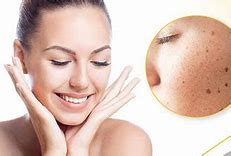
Hyperpigmentation occurs when certain areas of the skin darken due to excess melanin production. This condition presents aesthetically concerning spots ranging from localized patches to widespread discoloration that many wish to treat effectively.
- Key symptoms include dark spots on sun-exposed areas such as the face , hands , or any part previously injured .
- It’s diagnosed through clinical evaluation during which dermatologists assess patterns , location , photo-aging signs while ruling out other conditions .
- Treatment options vary from topical brightening agents containing ingredients like hydroquinone or vitamin C , along with chemical peels targeting deeper layers .
- Most patients report gradual fading over weeks following consistent application of recommended products Associated skincare regimens enhance overall results too .
A tailored approach addressing individual-driven concerns has proven beneficial in restoring desired complexion balance .
SKIN TAGS REMOVAL
Skin tags are small benign growths that often appear on areas where skin rubs against skin or clothing. While not harmful, patients frequently seek removal for cosmetic reasons or discomfort. Understanding how they form can help prevent their occurrence in some cases.
- These growths are typically asymptomatic but may become bothersome if they irritate during normal activities like shaving or wearing jewelry.
- A healthcare professional diagnoses them through visual assessment without requiring extensive tests in most cases
- Common removal methods include cryotherapy (freezing), cauterization (burning), or excision performed in-office settings under minimal anesthesia
With safe removal techniques available , patients often leave feeling more confident about their appearance .
ROSACEA
Rosacea is a persistent inflammatory condition marked by facial redness and visible blood vessels. It primarily affects adults between ages 30-50 but can present differently among individuals. Understanding this condition helps manage its symptoms effectively.
- Main symptoms include facial flushing, persistent redness, and sometimes pus-filled bumps resembling acne.
- The diagnosis usually hinges on clinical evaluation based on the appearance of the face coupled with patient history regarding trigger factors.
- Treatment might involve topical therapies such as azelaic acid or oral antibiotics for inflammatory lesions when needed.
- Avoiding known triggers like spicy foods or extreme temperatures can greatly reduce flare-ups.'
Caring for rosacea requires ongoing attention but many find relief through appropriate treatment methods provided by their dermatologist.
ECZEMA (ATOPIC DERMATITIS)
Eczema, specifically atopic dermatitis, is characterized by inflamed, itchy skin. It commonly begins in childhood but can persist into adulthood. Understanding the triggers and proper management techniques is essential for alleviating symptoms.
- Common symptoms include dry, red patches that can crack or bleed due to intense itching.
- Diagnosis typically involves reviewing medical history along with physical examination of affected skin areas.
- Management may include moisturizers to retain skin hydration alongside topical corticosteroids to decrease inflammation during flare-ups.
- Avoiding known allergens or irritants plays a significant role in preventing outbreaks.
Regular follow-up with a dermatologist ensures effective management strategies tailored to individual needs.
PSORIASIS
Psoriasis is a chronic autoimmune condition that leads to the rapid growth of skin cells, forming scales and red patches that can be itchy and sometimes painful. This autoimmune disease affects millions worldwide and can significantly impact quality of life.
- The most noticeable symptoms are raised patches of skin covered with thick, silvery scales.
- Diagnosis often involves a visual assessment of the affected areas; sometimes a biopsy is performed to confirm the diagnosis.
- Treatment options range from topical ointments like corticosteroids to systemic medications for more severe cases.
- Patients may also explore light therapy as an effective management strategy to reduce flare-ups.
A comprehensive treatment plan can help control symptoms and improve patients' overall well-being.
ACNE VULGARIS
Acne vulgaris is a common skin condition that primarily affects teenagers and young adults, though it can occur at any age. This disorder occurs when hair follicles become clogged with oil and dead skin cells, leading to the formation of pimples, blackheads, and cysts.
- Symptoms include various types of lesions such as whiteheads, blackheads, and inflamed nodules.
- It is diagnosed through a physical examination by a healthcare provider who evaluates the type and extent of lesions present.
- Treatment options may include topical retinoids, benzoyl peroxide, antibiotics, or hormonal treatments depending on severity.
- Patients can expect gradual improvement in their skin condition, although some may experience initial worsening as treatments take effect.
Managing acne effectively involves patience and adherence to prescribed therapies for optimal skin health.
SKIN PIGMENTATION TREATMENT
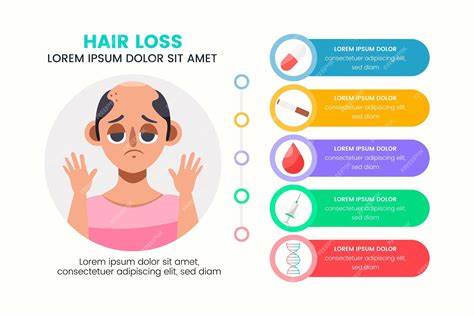
HAIR LOSS TREATMENT
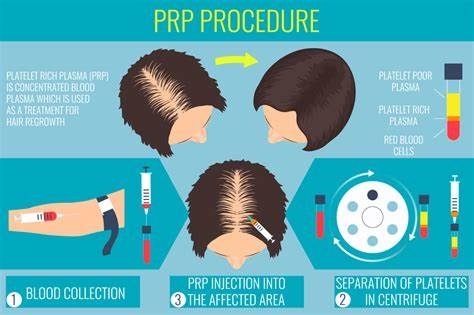
PRP FOR HAIR LOSS