
Dr Lalit Sharma
About Me
Dr Lalit Sharma
MD
Oncologist
Biography
My Clinic
OPD Hours
| Monday | Morning | 10:00 AM | - | 02:00 PM |
| Evening | 06:00 PM | - | 09:00 PM | |
| Tuesday | Morning | 10:00 AM | - | 02:00 PM |
| Evening | 06:00 PM | - | 09:00 PM | |
| Wednesday | Morning | 10:00 AM | - | 02:00 PM |
| Evening | 06:00 PM | - | 09:00 PM | |
| Thursday | Morning | 10:00 AM | - | 02:00 PM |
| Evening | 06:00 PM | - | 09:00 PM | |
| Friday | Morning | 10:00 AM | - | 02:00 PM |
| Evening | 06:00 PM | - | 09:00 PM | |
| Saturday | Morning | 10:00 AM | - | 02:00 PM |
| Evening | 06:00 PM | - | 09:00 PM | |
| Sunday | Morning | 10:00 AM | - | 02:00 PM |
| Evening | 06:00 PM | - | 09:00 PM |
Treatments
Specialised care and treatments offered
LUNG CANCER SCREENING
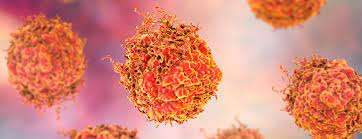
Lung cancer ranks among the leading causes of cancer-related deaths; thus screening is paramount especially for high-risk populations such as smokers. Early identification through low-dose CT scans enhances survival rates considerably when detected early enough!
- At-Risk Groups: Current / former smokers aged between 55-80 years must prioritize annual screenings alongside identifying occupational exposures too!'
- Diagnostic Imaging: Low-dose CT scans offer detailed images allowing physicians a clearer perspective upon investigation!'
- Management Plans: Decisions made revolve heavily around staging followed by chemotherapy targeted drugs radiation processes assigned accordingly!'
SKIN CANCER SCREENING
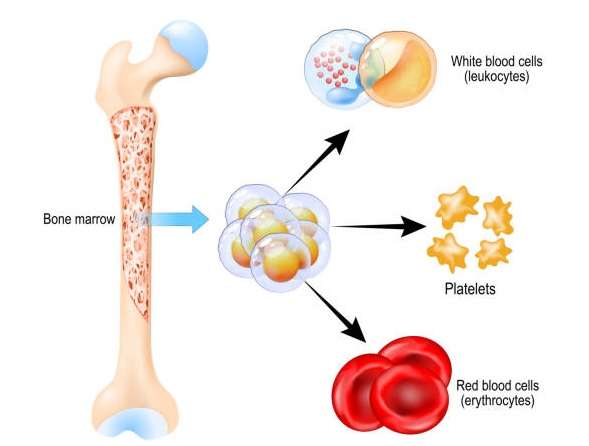
An essential aspect of preventive care involves skin cancer screening aimed at identifying potentially dangerous lesions before they become problematic. Regular self-examinations complemented by dermatological assessments contribute greatly towards prevention efforts.
- The Warning Signs: Look out for new moles or changes in existing ones—such as asymmetry or color variations—as these could signal underlying issues requiring further investigation.'
CERVICAL CANCER SCREENING

Cervical cancer screening is a preventive measure that plays a pivotal role in reducing cervical cancer incidence through early detection. Routine Pap tests combined with HPV testing provide comprehensive assessment strategies.
- Main Symptoms: In early stages, there are typically no symptoms; however you may experience unusual bleeding or pelvic pain as it progresses.
- Pap Test Process: A Pap smear helps detect precancerous cells while HPV testing identifies virus presence responsible for cervical cancers.
- Treatment Measures: Procedures such as cryotherapy or LEEP may be applied for abnormal cells found during screenings to prevent malignant development from occurring.
Women aged 21-65 should adhere to established guidelines for regular screenings according to their specific health circumstances to ensure optimal reproductive health outcomes.
PROSTATE CANCER SCREENING
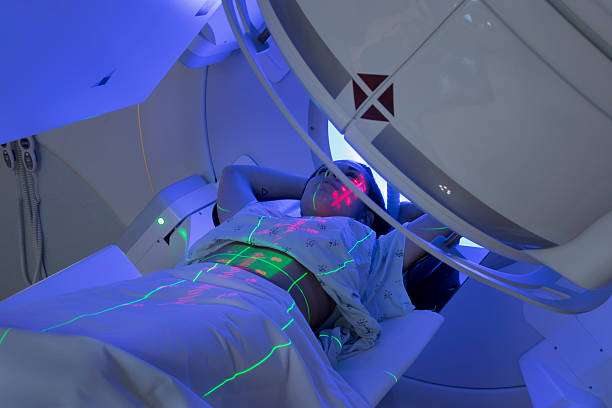
The significance of prostate cancer screening cannot be overstated as the disease often develops silently. Timely detection through appropriate screenings helps reduce the incidence rate of advanced disease among men.
- The Symptoms: In its early stages, prostate cancer might not cause any symptoms but can later lead to issues like painful urination or erectile dysfunction.
- Diagnostic Tools: Common methods include a prostate-specific antigen (PSA) blood test and digital rectal examination (DRE).
- Treatment Strategies: Upon diagnosis, treatment options range from active surveillance to surgery or radiation therapy depending on cancer aggressiveness.
- Coping Strategies: Counseling services and support groups can assist patients emotionally while undergoing treatment for prostate cancer.
It is vital for men over 50—and younger men with risk factors—to discuss screening options with their healthcare provider regularly.
COLORECTAL CANCER SCREENING
Screening for colorectal cancer is essential as it often develops without noticeable symptoms. Detecting colorectal polyps early can prevent cancer from developing in the first place. Individuals are advised to start screening at age 45 if they are at average risk.
- Risk Factors: Family history, age over 50, smoking, excessive alcohol consumption, or certain genetic conditions increase risk levels.
- How it is Diagnosed: Colonoscopy is the gold standard for detecting abnormalities in the colon. Other methods include stool tests that check for blood or abnormal DNA.
- Treatment Options: Depending on stage, treatments may include surgical resection of tumors, chemotherapy, and targeted therapies to manage progression.
- Your Expectations: After screening or diagnosis, monitoring will be necessary to track health changes and treatment responses effectively.
A commitment to regular screenings can dramatically lower your risk of advanced colorectal cancer.
BREAST CANCER SCREENING
Early detection is crucial in improving the prognosis of breast cancer. Regular screening can significantly reduce mortality rates and facilitate timely intervention. Women are encouraged to undergo routine examinations to identify any abnormalities at an early stage.
- Symptoms: Early-stage breast cancer may not present symptoms; however, changes in size or shape of the breast, lumps, or skin alterations should be monitored.
- Diagnosis: Mammograms are commonly used for screening, along with ultrasound and MRI in specific cases.
- Treatment Options: If detected, treatment may include surgery, radiation therapy, chemotherapy, or hormone therapy based on individual cases.
- Management: Regular follow-ups and lifestyle modifications such as diet and exercise can aid recovery and reduce recurrence risk.
Participating in annual screenings fosters proactive health management and should be prioritized by all women over the age of 40.