
Dr Lalit Sharma
About Me
Dr Lalit Sharma
MS
Orthopaedic Surgeons
10 Years Experience
Biography
My Clinic
OPD Hours
| Monday | Morning | 10:00 AM | - | 02:00 PM |
| Evening | 06:00 PM | - | 09:00 PM | |
| Tuesday | Morning | 10:00 AM | - | 02:00 PM |
| Evening | 06:00 PM | - | 09:00 PM | |
| Wednesday | Morning | 10:00 AM | - | 02:00 PM |
| Evening | 06:00 PM | - | 09:00 PM | |
| Thursday | Morning | 10:00 AM | - | 02:00 PM |
| Evening | 06:00 PM | - | 09:00 PM | |
| Friday | Morning | 10:00 AM | - | 02:00 PM |
| Evening | 06:00 PM | - | 09:00 PM | |
| Saturday | Morning | 10:00 AM | - | 02:00 PM |
| Evening | 06:00 PM | - | 09:00 PM | |
| Sunday | Morning | 10:00 AM | - | 02:00 PM |
| Evening | 06:00 PM | - | 09:00 PM |
Treatments
Specialised care and treatments offered
FROZEN SHOULDER (ADHESIVE CAPSULITIS)
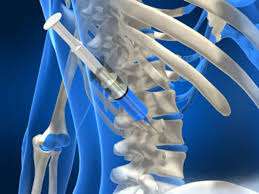
This condition results in stiffness and pain in the shoulder joint due to inflammation around it; commonly referred as frozen shoulder develops gradually impacting daily movements significantly over time affecting overall quality of life considerably!
- Key symptoms include difficulty lifting arms overhead resulting discomfort when attempting essential activities involving dressing oneself!
- Diagnosis mainly involves detailed patient history combined alongside assessments undertaken focusing particularly mobility levels exhibited throughout respective ranges observed thus far documented meticulously prior reaching conclusions confirming adhesive capsulitis indeed present!
- Treatment encompasses a variety ranging from engaging physical therapy sessions emphasizing gentle stretching routines aimed restoring functioning gradually whilst incorporating medication if needed assisting reduction inflammatory responses actively present causing disruptions substantially affecting daily routines negatively long term!
- Surgical interventions remain rare unless all conservative approaches exhausted completely without success achieved yielding sustainable improvements triggered urgently accordingly activated thereafter promptly addressed entirely holistically concerned overall encompassing entirety executing profound lifeway respectively!
Ultimately successful recovery journeys reliant strategized plans tailored closely upon evidence-based practices applied diligently yield favorable outcomes beneficial progressing successfully resuming functional capabilities efficiently restored eventually ideally aimed ahead optimistically henceforth onward thus achieved triumphantly onwardly exceeding preceding thresholds qualitatively enhanced continually having utmost satisfaction experienced feeling empowered again widely expansively renowned entirely!
BURSITIS

Bursitis occurs when bursae—small fluid-filled sacs cushioning bones at joints—become inflamed due either repetitive stress injuries or underlying conditions like arthritis. Common sites affected include shoulders and hips among others dependent on activity levels performed regularly without adequate recovery time taken beforehand!
- The main symptoms encompass localized swelling accompanied by significant discomfort while moving affected joints?
- An effective diagnosis typically involves reviewing symptoms coupled alongside physical examinations focused around specific motions being assessed alongside inquiry regarding recent changes undertaken within one's daily regimen influencing workload performed consequently.
- Common treatments involve resting from aggravating actions utilizing heat applications followed by cold packs afterwards plus possible intake recommendations involving NSAIDs prescribed accordingly!
- Physical therapy serves excellent purposes helping strategically strengthen weakened surrounding muscles supporting injured areas facilitating healing processes faster overall!
- Most patients tend towards good recovery rates provided timely intervention occurs preventing chronicity developing later?
Robust management helps expedite healing back towards optimal functioning while reducing recurrences via strategies adapted per individual specifics explored directly!
CARPAL TUNNEL SYNDROME

This condition arises from compression of the median nerve within the wrist's carpal tunnel. It leads to numbness or tingling sensations along parts of the hand frequently used in repetitive tasks such as typing or assembly work.
- The primary symptoms include tingling sensations in fingers particularly at night or during activities that involve flexing the wrist.
- A clinical examination alongside symptom history assists in diagnosing carpal tunnel syndrome effectively; nerve conduction studies are also used sometimes for confirmation.
- Treatment usually focuses on wrist splinting during sleep hours and modifying activities; corticosteroid injections may provide short-term relief from inflammation as well.
- If conditions persist despite these efforts, surgical intervention may be presented as an option by health professionals dealing with this issue extensively.
An individualized approach following careful evaluation generally leads to positive outcomes in managing carpal tunnel syndrome long-term when treated appropriately early on!
PLANTAR FASCIITIS

This common foot condition results from inflammation of the plantar fascia—a thick band of tissue running along the bottom of the foot. Plantar fasciitis is often characterized by heel pain during initial steps after rest.
- The condition primarily develops due to factors such as excessive running or walking, obesity, or inappropriate footwear contributing to stretching or injury of the fascia.
- A typical diagnosis involves a clinical assessment coupled with imaging studies if necessary for confirmation.
- Management entails rest, stretching exercises tailored for the plantar fascia, orthotic devices for better arch support, and anti-inflammatory therapies as needed.
- Surgery is rarely required but remains an option for persistent cases unresponsive to conservative measures.
- The prognosis is generally favorable with diligent adherence to recommended interventions and preventative practices post-recovery.
Effective management strategies can allow individuals to resume normal activities while minimizing recurrence risks in plantar fasciitis cases.
TENDONITIS

Tendonitis refers to the inflammation of a tendon, often due to repetitive strain or overuse. This condition commonly affects areas such as the shoulder, elbow, and knee.
- The most common symptoms include pain, tenderness, and swelling around the affected tendon.
- A thorough evaluation, including medical history and physical exams, aids in diagnosing this condition effectively.
- Treatment often encompasses rest, ice application, physical therapy exercises to restore mobility, and anti-inflammatory medications.
- In some instances where conservative treatment fails, more advanced options like corticosteroid injections might be required.
- Generally, patients can expect significant relief with appropriate care and activity modifications.
Tendonitis can be managed successfully when approached early with proper lifestyle adjustments and rehabilitation strategies.
OSTEOARTHRITIS

Osteoarthritis is a degenerative joint disease that affects millions of people worldwide. It occurs when the cartilage that cushions the joints breaks down, leading to pain and stiffness.
- Symptoms may include joint pain, swelling, and reduced flexibility.
- This condition is typically diagnosed through a combination of physical exams and imaging tests such as X-rays.
- Treatment options include lifestyle modifications like weight management, physical therapy, and non-steroidal anti-inflammatory medications.
- For those with severe cases, joint injections or surgical options might be considered.
- Patients can expect gradual improvement with consistent adherence to treatment protocols.
Managing osteoarthritis requires a comprehensive approach that focuses on alleviating symptoms while maintaining joint function over time.