
Dr Laxman G Jessani
About Me
Dr Laxman G Jessani
General Physician
Biography
My Clinic
OPD Hours
| Tuesday | Morning | 10:00 AM | - | 02:00 PM |
| Evening | 06:00 PM | - | 09:00 PM | |
| Wednesday | Morning | 10:00 AM | - | 02:00 PM |
| Evening | 06:00 PM | - | 09:00 PM | |
| Thursday | Morning | 10:00 AM | - | 02:00 PM |
| Evening | 06:00 PM | - | 09:00 PM | |
| Friday | Morning | 10:00 AM | - | 02:00 PM |
| Evening | 06:00 PM | - | 09:00 PM | |
| Saturday | Morning | 10:00 AM | - | 02:00 PM |
| Evening | 06:00 PM | - | 09:00 PM | |
| Sunday | Morning | 10:00 AM | - | 02:00 PM |
| Evening | 06:00 PM | - | 09:00 PM | |
| Thursday | Morning | 10:00 AM | - | 02:00 PM |
| Evening | 06:00 PM | - | 09:00 PM |
Treatments
Specialised care and treatments offered
PREVENTIVE HEALTH SCREENINGS
THYROID DYSFUNCTION MANAGEMENT

The thyroid gland plays a crucial role in regulating metabolism through hormone production. Recognizing thyroid dysfunction early can lead to effective interventions that enhance quality of life
.- Symptoms: Common signs include unexplained weight changes, fatigue, hair loss, or mood swings indicating possible thyroid issues.
- Diagnosis: Blood tests measuring TSH (Thyroid Stimulating Hormone) levels determine thyroid function status accurately.
- Treatment: Depending on the diagnosis (hypothyroidism or hyperthyroidism), treatments may involve hormone replacement therapy or medications that suppress hormone production.
- Follow-Up Care: Regular testing helps monitor hormone levels ensuring appropriate treatment adjustments over time.
Addressing thyroid issues proactively enhances metabolic function and promotes overall wellness.
GASTROINTESTINAL HEALTH ASSESSMENT

A gastrointestinal health assessment evaluates the digestive system for various disorders like GERD or irritable bowel syndrome (IBS). Identifying these issues early can prevent further complications.
- Common Symptoms: Patients often report abdominal pain, bloating, gas, diarrhea, or constipation as primary concerns regarding their digestive health.
- Adequate Diagnosis: This involves physical examinations alongside endoscopic procedures or imaging studies such as ultrasounds for accurate results.
- Treatment Options: Treatment varies from dietary adjustments and lifestyle changes to medications aimed at alleviating symptoms and improving gut health.
An informed approach towards gastrointestinal assessments leads to better management and improved overall well-being.
RESPIRATORY ILLNESS EVALUATION
The evaluation of respiratory illnesses encompasses a comprehensive assessment of lung function. Early diagnosis can be key in managing conditions like asthma or COPD effectively.
- Symptoms: Patients may present with coughing, wheezing, chest tightness, or shortness of breath indicating potential respiratory issues.
- Diagnosis Process: Diagnostic tests include spirometry to measure lung function and imaging tests like X-rays to visualize any abnormalities.
- Treatment Approaches: Treatment could involve inhalers for asthma management or corticosteroids for inflammation reduction in COPD patients.
- Coping Strategies: Patients are encouraged to avoid triggers such as smoke or allergens to improve their quality of life significantly.
A thorough evaluation by a general physician can lead to effective management strategies for respiratory conditions.
DIABETES SCREENING AND MANAGEMENT

Diabetes is a chronic health condition that affects how your body turns food into energy. Understanding your blood sugar levels can empower you to manage this condition effectively and maintain your overall health.
- Symptoms: Common signs include increased thirst, frequent urination, extreme fatigue, and blurred vision.
- Diagnosis: A simple blood test measures glucose levels. An HbA1c test provides an average of your blood sugar levels over the past 2-3 months.
- Treatment: Management may include lifestyle changes such as diet and exercise, along with medications or insulin therapy for blood sugar control.
- Ongoing Monitoring: Regular follow-ups are essential to adjust treatment plans as needed and prevent complications.
Your proactive approach can lead to better outcomes in diabetes management.
HYPERTENSION MANAGEMENT

Hypertension, or high blood pressure, is a chronic condition where the force of the blood against the artery walls is consistently too high. This condition often goes unnoticed until serious complications arise, which is why regular monitoring is essential.
- Symptoms: Many individuals may not experience noticeable symptoms, but some may have headaches, shortness of breath, or nosebleeds as blood pressure rises.
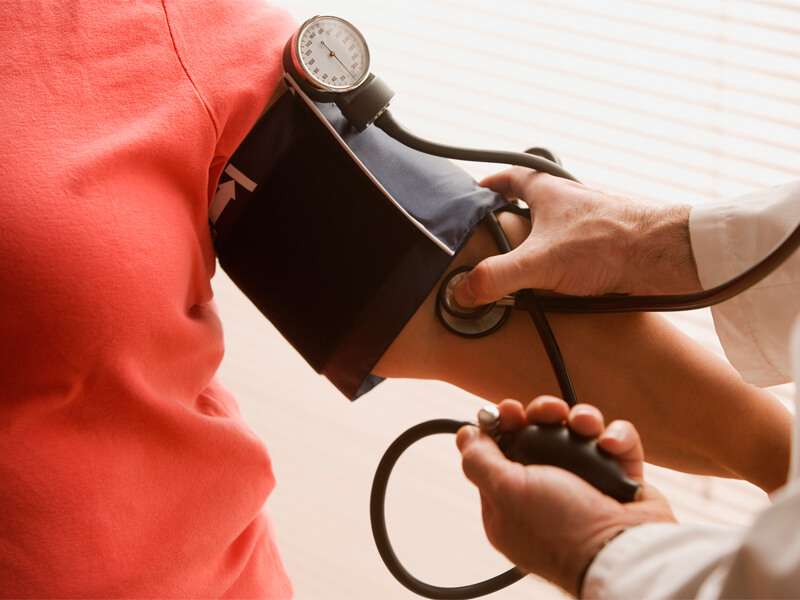
- Diagnosis: Blood pressure is measured using a sphygmomanometer; readings above 130/80 mm Hg indicate hypertension.
- Treatment Options: Lifestyle modifications such as a balanced diet and regular exercise are crucial, alongside medications like diuretics, ACE inhibitors, or beta-blockers.
- Management: Routine check-ups and adherence to prescribed treatment plans help maintain healthy blood pressure levels.
Understanding and managing hypertension effectively can significantly lower the risk of heart disease and stroke.