
Dr Leena Bhatnag
About Me
Dr Leena Bhatnag
MD
Dermatologist
10 Years Experience
Biography
My Clinic
OPD Hours
| Monday | Morning | 10:00 AM | - | 02:00 PM |
| Evening | 06:00 PM | - | 09:00 PM | |
| Tuesday | Morning | 10:00 AM | - | 02:00 PM |
| Evening | 06:00 PM | - | 09:00 PM | |
| Wednesday | Morning | 10:00 AM | - | 02:00 PM |
| Evening | 06:00 PM | - | 09:00 PM | |
| Thursday | Morning | 10:00 AM | - | 02:00 PM |
| Evening | 06:00 PM | - | 09:00 PM | |
| Friday | Morning | 10:00 AM | - | 02:00 PM |
| Evening | 06:00 PM | - | 09:00 PM | |
| Saturday | Morning | 10:00 AM | - | 02:00 PM |
| Evening | 06:00 PM | - | 09:00 PM | |
| Sunday | Morning | 10:00 AM | - | 02:00 PM |
| Evening | 06:00 PM | - | 09:00 PM |
Treatments
Specialised care and treatments offered
ROSACEA
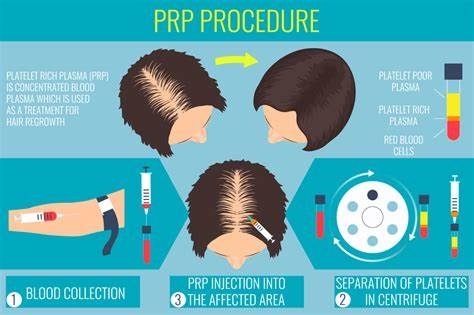
This chronic inflammatory dermatosis manifests primarily on facial regions characterized by redness flushing around central face areas like cheeks nose forehead along additional vascular conditions contributing discomfort levels frequently reported amongst affected persons daily living experiences!
- Symptoms often include persistent facial flushing accompanied by visible blood vessels bumps pus-filled pimples feeling warm tightness particular zones among notable sensitivities especially upon food/drink temperature variations!
- Diagnosis involves careful assessment whereby dermatologists examine presenting characteristics while ruling out alternative possibilities within differential diagnostic considerations based context provided respective patient histories.
- Management approaches typically center around medicinal interventions leveraging topical agents prescribed targeting erythema inflammation stemming alongside oral antibiotic regimens aimed controlling secondary bacterial infections highlighted throughout exacerbation cycles individuals undergo presently faced lifestyle adjustments contribute overall improvement journey successfully initiated according consulted guidance accurate therapeutic choices available accordingly!
Emphasizing adherence toward recommended protocols makes significant strides ensuring remission longer-lasting benefits experienced amidst challenging circumstances caused rosacea flare-ups!
CONTACT DERMATITIS
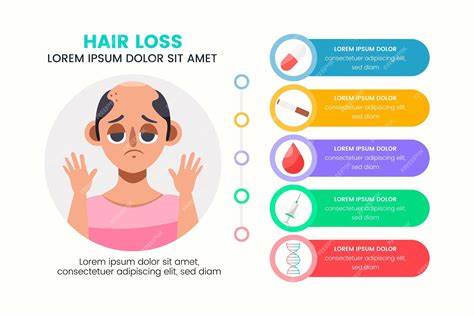
This inflammatory reaction occurs when the skin comes into contact with an irritant or allergen. Recognizing its sources can aid patients in preventing future outbreaks effectively.
- The key symptoms consist of redness, swelling, blistering rash where contact occurred—often accompanied by itching or painful sensations in affected areas.
- A dermatologist diagnoses contact dermatitis through clinical evaluation along with careful inquiry about exposure history concerning products used regularly like soaps or cosmetics influencing reactions positively/negatively over time.
- Treatment primarily focuses on avoiding identified irritants while utilizing topical corticosteroids for relief from inflammation alongside antihistamines if necessary to alleviate itching sensations experienced during flares up events along certain exposures
An essential aspect involves patient education about precautionary measures that minimize chances reoccurrence ensuring healthier outcomes moving forward!
ACNE
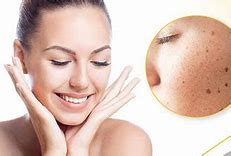
Acne is a prevalent skin condition affecting individuals across various age groups typically presenting during adolescence. Understanding its causes is vital for adequate treatment options.
- The main symptoms associated with acne include comedones (blackheads & whiteheads), papules, pustules, cysts, and possibly scarring if left untreated.
- A dermatologist will assess acne's severity through visual examination while considering personal medical history—including hormonal influences which commonly exacerbate the condition.
- Treatment strategies encompass topical retinoids and benzoyl peroxide applications alongside oral antibiotics; more persistent cases might require hormonal therapy or isotretinoin under strict supervision due to potential side effects.
- Lifestyle adjustments such as maintaining proper hygiene without over-cleansing can help manage acne effectively while boosting self-esteem amongst patients struggling with visible lesions.
An individualized approach ensures effective management of acne while addressing underlying issues leading to flare-ups over time.
SKIN CANCER SCREENING
Regular skin cancer screenings are crucial for early detection of potential malignancies. Skin cancer is one of the most common types of cancer but highly treatable when caught early.
- The primary symptoms indicating possible skin cancer include new growths on the skin or changes in existing moles—such as asymmetry, irregular borders, color changes, or an increase in size.
- A dermatologist conducts an extensive visual examination of the entire body surface during screenings. If suspicious areas are identified, further diagnostic tests like biopsies may be performed.
- Treatment options vary based on the type and stage of cancer; they can range from cryotherapy and surgical excision to chemotherapy or radiation therapy for advanced cases.
- Effective management relies heavily on routine self-examinations at home combined with professional assessments at regular intervals based on risk factors like UV exposure or family history.
Establishing preventive habits could make a significant difference in early detection rates among patients at risk for skin cancers.
ECZEMA (ATOPIC DERMATITIS)
Eczema is a common dermatological condition that results in inflamed, itchy skin. It often begins in childhood but can persist into adulthood, requiring ongoing management.
- Common symptoms include dry patches of skin that may become red and swollen, intense itching, and in some cases, oozing or crusting of lesions.
- A thorough evaluation by a dermatologist helps in diagnosing eczema; this may involve reviewing family history since it can have genetic links.
- Treatment typically includes moisturizing creams to prevent dryness and topical steroids to reduce inflammation during flare-ups. In more severe cases, prescription medications might be necessary.
- Caring for sensitive skin through gentle skincare practices can significantly improve quality of life for individuals with eczema.
A tailored approach focusing on individual triggers is essential for effective long-term management of this condition.
PSORIASIS
Psoriasis is a chronic autoimmune condition characterized by the rapid growth of skin cells, leading to thick, red, scaly patches. This can be both physically uncomfortable and emotionally distressing for those affected.
- Symptoms may include red patches covered with thick, silvery scales, dry and cracked skin that may bleed, and itching or burning sensations.
- Diagnosis typically involves a physical examination of the skin, medical history review, and sometimes a biopsy to confirm the condition.
- Treatment options range from topical therapies (like corticosteroids) to phototherapy and systemic medications aimed at controlling symptoms and reducing flare-ups.
- Management also includes lifestyle changes such as stress reduction techniques and dietary considerations that can help mitigate symptoms.
It's important to work closely with healthcare providers to establish a comprehensive treatment plan tailored to individual needs.