
Dr Lekshmy Rana
About Me
Dr Lekshmy Rana
Obstetrician
Biography
My Clinic
OPD Hours
| Tuesday | Morning | 10:00 AM | - | 02:00 PM |
| Evening | 06:00 PM | - | 09:00 PM | |
| Wednesday | Morning | 10:00 AM | - | 02:00 PM |
| Evening | 06:00 PM | - | 09:00 PM | |
| Thursday | Morning | 10:00 AM | - | 02:00 PM |
| Evening | 06:00 PM | - | 09:00 PM | |
| Friday | Morning | 10:00 AM | - | 02:00 PM |
| Evening | 06:00 PM | - | 09:00 PM | |
| Saturday | Morning | 10:00 AM | - | 02:00 PM |
| Evening | 06:00 PM | - | 09:00 PM | |
| Sunday | Morning | 10:00 AM | - | 02:00 PM |
| Evening | 06:00 PM | - | 09:00 PM | |
| Thursday | Morning | 10:00 AM | - | 02:00 PM |
| Evening | 06:00 PM | - | 09:00 PM |
Treatments
Specialised care and treatments offered
OVARIAN CYSTS
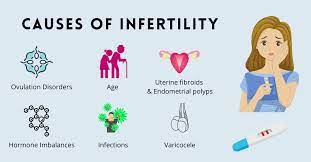
Ovarian cysts are fluid-filled sacs that develop on one or both ovaries. While often harmless and symptomless, they require monitoring as they can sometimes cause complications necessitating intervention during routine gynecological exams performed by obstetricians.
- Symptoms might not always be present; however when they occur could range from mild abdominal discomfort to irregular periods depending on their size.
- A comprehensive assessment using ultrasounds helps establish presence through diagnosis alongside physical examinations conducted by a physician.
- Most cysts resolve naturally without treatment; however in some instances where large sizes create considerable discomfort—surgical removal offers relief along with careful follow-ups recommended thereafter.
- For women experiencing persistent issues related specifically towards ovarian cysts combined efforts within dietary habits tied up against stress mitigation strategies too play significant roles amidst overall wellness protocols adopted moving forward .
Regular check-ups ensure any concerns regarding ovarian health receive professional attention away from self-diagnosis – fostering peace of mind among patients seeking effective management pathways surrounding their conditions!
PRETERM LABOR
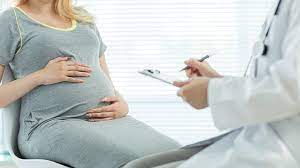
Preterm labor signifies the onset of labor before 37 weeks of gestation. Recognizing its signs early is crucial for managing risks associated with premature birth effectively.
- The symptoms include regular contractions, lower back pain, or changes in vaginal discharge that signal early labor stages.
- A thorough evaluation involving cervical checks and monitoring contractions is key for diagnosis by healthcare providers upon presentation of symptoms.
- Treatment may encompass bed rest, hydration strategies, or medications aimed at slowing down contractions when identified early enough.
- Postponing labor increases the chances of better outcomes for the baby; hence timely intervention proves vital.
With vigilant care practices implemented by your obstetrician along with lifestyle adjustments at home where applicable—many women successfully prolong pregnancies beyond 37 weeks despite initial indications signaling premature labor risks.
FIBROIDS
Uterine fibroids are noncancerous tumors that grow within the uterus, affecting many women during their reproductive years. Understanding fibroids is key as they can vary in size and number influencing symptoms experienced during menstruation or pregnancy.
- The most common symptoms associated with fibroids include heavy menstrual bleeding, pelvic pain, and frequent urination depending on their size.
- Diagnosis typically entails a pelvic exam followed by imaging tests such as ultrasound or MRI for precise location mapping.
- Treatment options may range from watchful waiting for mild cases to medications or surgical interventions such as myomectomy for larger fibroids causing significant discomfort.
- Women with fibroids should monitor their symptoms closely; those experiencing severe issues might consider surgical options in consultation with their healthcare provider.
For many women exhibiting mild symptoms, lifestyle adjustments could alleviate discomfort without immediate intervention.
PREECLAMPSIA
Preeclampsia is a serious condition characterized by high blood pressure and signs of damage to other organ systems during pregnancy. It typically occurs after the 20th week of gestation and can significantly impact both maternal and fetal health if left untreated.
- This condition often presents with sudden swelling, headaches, or visual disturbances as primary symptoms.
- Your doctor will diagnose preeclampsia through regular monitoring of blood pressure and urine tests for protein levels.
- Treatment primarily involves close monitoring; in severe cases, early delivery may be necessary even before term.
- The long-term management includes regular follow-up care post-delivery since it can have lasting effects on women's cardiovascular health.
Timely intervention can mitigate risks associated with preeclampsia for both mother and child, ensuring better health outcomes during and after pregnancy.
ECTOPIC PREGNANCY
An ectopic pregnancy occurs when a fertilized egg implants outside the uterus, most commonly in a fallopian tube. This condition can lead to serious complications if not treated promptly.
- Symptoms often include sharp abdominal pain, vaginal bleeding, or shoulder pain due to internal bleeding.
- A healthcare provider can diagnose this condition through pelvic exams and imaging techniques like ultrasound.
- Treatment options may involve medication or surgery to remove the ectopic tissue while preserving fertility whenever possible.
- If not addressed, an ectopic pregnancy can lead to severe internal bleeding and requires immediate medical attention.
It's crucial to seek care immediately if you experience symptoms indicative of an ectopic pregnancy for optimal outcomes.
GESTATIONAL DIABETES
Gestational diabetes is a type of diabetes that develops during pregnancy. It can affect the health of both the mother and the baby if not managed properly. Recognizing this condition early is essential for a healthy pregnancy outcome.
- Symptoms may include excessive thirst, frequent urination, and fatigue.
- Diagnosis typically involves blood tests, including a glucose tolerance test, usually conducted around the 24th to 28th week of pregnancy.
- Treatment options focus on dietary changes, regular exercise, and monitoring blood sugar levels. In some cases, insulin therapy may be required.
- Managing gestational diabetes effectively helps prevent complications such as high birth weight and preterm delivery.
- Expect regular check-ups to monitor both your health and your baby's growth throughout the pregnancy.
With proactive management, most women with gestational diabetes deliver healthy babies and see their blood sugar levels return to normal after childbirth.