
Dr Lokendra Tyag
About Me
Dr Lokendra Tyag
DO
Ophthalmologist
10 Years Experience
Biography
My Clinic
OPD Hours
| Monday | Morning | 10:00 AM | - | 02:00 PM |
| Evening | 06:00 PM | - | 09:00 PM | |
| Tuesday | Morning | 10:00 AM | - | 02:00 PM |
| Evening | 06:00 PM | - | 09:00 PM | |
| Wednesday | Morning | 10:00 AM | - | 02:00 PM |
| Evening | 06:00 PM | - | 09:00 PM | |
| Thursday | Morning | 10:00 AM | - | 02:00 PM |
| Evening | 06:00 PM | - | 09:00 PM | |
| Friday | Morning | 10:00 AM | - | 02:00 PM |
| Evening | 06:00 PM | - | 09:00 PM | |
| Saturday | Morning | 10:00 AM | - | 02:00 PM |
| Evening | 06:00 PM | - | 09:00 PM | |
| Sunday | Morning | 10:00 AM | - | 02:00 PM |
| Evening | 06:00 PM | - | 09:00 PM |
Treatments
Specialised care and treatments offered
CORNEAL CROSS-LINKING
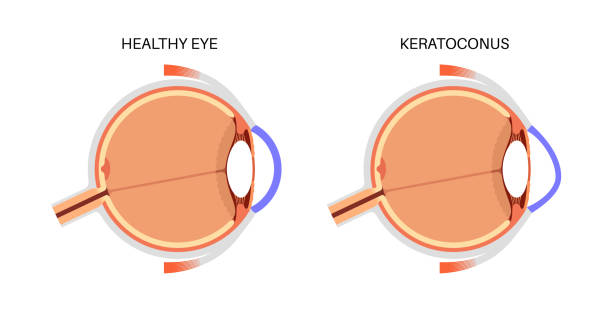
This technique strengthens corneal tissue integrity primarily utilized for patients suffering from keratoconus—a progressive disorder wherein corneal curvature becomes irregular leading potentially to vision degradation if not properly addressed!
- Keratoconus symptoms involve blurry vision paired with heightened sensitivity against glare along varying visual acuity levels depending upon severity progression experienced individually over time periods limited without timely intervention measures taken place beforehand successfully mitigated outcomes possible ahead resulting thereafter instead meaningful lifestyle choices beneficial henceforth!
- Diagnoses formulating recommendations based upon detailed topography evaluations accompanied through thorough questioning amongst collaborative discussion allowing insightful perspectives therein pertaining medical concerns raised herein earlier differences noted through careful observation provided ultimately guiding informed decisions made determined together thereafter subsequently aiding patient journey towards improved outcomes meanwhile assuring necessary follow-ups conducted in subsequent phases thereafter monitoring heading closer developing satisfactory milestones achieved regularly along each step encountered thereafter improving overall custodianship embodied hence!
- Understanding procedural expectations assists regarding what lies ahead easing anxieties prevalent beforehand thus cultivating confidence nurtured throughout journey paving pathways blossoming forth anew ultimately realizing potentials discovered true depths embedded deep within pursuing dreams now freed finally uninterrupted shining through bright illuminating horizons expanded endlessly forevermore reaching pleasing satisfaction derived suddenly suddenly flourishing effortlessly returning grit reinvigorated spirits uplifted restoring precious joy intimately cherished!}
For individuals battling keratoconus maintaining engagements are available guaranteeing sustained health maintained hence strengthening secured needs soaring onward towards success envisioned progressions ahead driven consistently upwards aiming true above excellence assured evidently standing ready each moment chosen growing nonetheless proud filled assurance conveyed wholly shared further beyond exceptional aspirations materializing completed so radiantly brightening destinies surely fulfilled!
INTENSE PULSED LIGHT THERAPY (IPL)
Intense Pulsed Light Therapy (IPL) is an innovative treatment utilized for managing dry eyes associated with meibomian gland dysfunction. This non-invasive option utilizes light pulses that stimulate gland function and improve tear film stability without requiring extensive intervention.
- Persistent dry eyes are often characterized by discomfort, fluctuating vision clarity, or excessive tearing due to irritability incidence when compared to other underlying causes like allergies or environmental factors affecting ocular surface quality.
- Aided by comprehensive diagnostics—such as assessing tear breakup time—professionals tailor individualized treatment plans accordingly based on specific needs identified during this assessment process.
- The IPL session generally lasts about 30 minutes; patients can resume normal activities immediately afterwards without prolonged downtime necessary ensuring seamless integration into existing schedules!
This cutting-edge therapy facilitates long-lasting relief providing patients renewed comfort alongside enhanced visually appealing ocular appearances!
BLEPHAROPLASTY
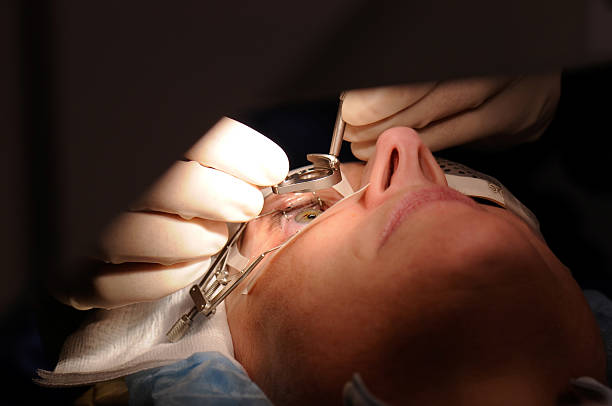
Blepharoplasty is a surgical procedure aimed at correcting sagging eyelids that result from excess skin or fat. This treatment enhances appearance as well as improves vision obstructed by drooping eyelids.
- Commonly reported symptoms include tiredness due to heavy eyelids and restricted vision in extreme cases of ptosis (droopy eyelids).
- A thorough clinical evaluation along with patient history will guide proper diagnosis before considering treatment options.
- Surgery usually lasts about one to three hours—performed under local anesthesia—and may involve removing or repositioning tissue around the eyelids for optimal results.
- Most patients experience mild discomfort post-surgery; proper post-operative care promotes faster recovery while reducing complications.
This procedure not only restores youthful appearance but also enhances functional capacity for ideal daily activities involving sight!
LASER PERIPHERAL IRIDOTOMY
This procedure is designed to treat narrow-angle glaucoma by creating a small hole in the peripheral iris using laser technology. The opening helps fluid drain more efficiently from inside the eye.
- Narrow-angle glaucoma symptoms can include severe headaches, blurred vision, nausea, and vomiting due to increased intraocular pressure.
- The condition is diagnosed through a comprehensive eye exam which may involve measuring intraocular pressure and evaluating drainage angles.
- A laser peripheral iridotomy provides quick relief by effectively preventing future angle closure attacks without traditional surgical risks.
- Localized swelling may occur post-procedure but typically resolves within days; patients often experience significant improvements shortly after treatment.
This minimally invasive approach plays an essential role in managing glaucoma risk effectively while preserving vision health.
PTERYGIUM SURGERY
A pterygium is a growth on the conjunctiva that can extend onto the cornea. It often appears as a triangular tissue overgrowth and can cause irritation or vision issues if left untreated.
- Symptoms might include redness, itching, or foreign body sensation in the affected eye.
- Differential diagnosis includes examining the growth during an eye examination alongside patient history.
- Mild cases may be managed with lubricating drops; however, surgical removal is considered for persistent symptoms or cosmetic reasons.
- The surgery is usually outpatient and aims to remove the pterygium while minimizing recurrence risk.
- Post-operative care includes protecting the eye and following up with regular visits to ensure proper healing.
Surgical intervention for pterygium has high success rates and can restore both comfort and appearance for those affected.
DRY EYE SYNDROME
Dry Eye Syndrome is a common condition that occurs when the eyes do not produce enough tears, or when the tears evaporate too quickly. This can lead to discomfort and potential damage to the surface of the eye.
- Symptoms may include dryness, redness, a gritty sensation, and sensitivity to light.
- The diagnosis typically involves an eye exam, where your doctor checks tear production and evaluates the health of your eyes.
- Treatment options range from lifestyle changes, such as increasing screen breaks and using humidifiers, to medications and artificial tears.
- In some cases, procedures like punctal plugs can be performed to retain moisture in your eyes.
- Expect improvement in comfort with consistent management, although some individuals may require ongoing care.
Overall, addressing Dry Eye Syndrome can significantly enhance quality of life by improving visual comfort and function.