
Dr Lokesh Gupta
About Me
Dr Lokesh Gupta
DO
Ophthalmologist
10 Years Experience
Biography
My Clinic
OPD Hours
| Monday | Morning | 10:00 AM | - | 02:00 PM |
| Evening | 06:00 PM | - | 09:00 PM | |
| Tuesday | Morning | 10:00 AM | - | 02:00 PM |
| Evening | 06:00 PM | - | 09:00 PM | |
| Wednesday | Morning | 10:00 AM | - | 02:00 PM |
| Evening | 06:00 PM | - | 09:00 PM | |
| Thursday | Morning | 10:00 AM | - | 02:00 PM |
| Evening | 06:00 PM | - | 09:00 PM | |
| Friday | Morning | 10:00 AM | - | 02:00 PM |
| Evening | 06:00 PM | - | 09:00 PM | |
| Saturday | Morning | 10:00 AM | - | 02:00 PM |
| Evening | 06:00 PM | - | 09:00 PM | |
| Sunday | Morning | 10:00 AM | - | 02:00 PM |
| Evening | 06:00 PM | - | 09:00 PM |
Treatments
Specialised care and treatments offered
DRY EYE DISEASE MANAGEMENT
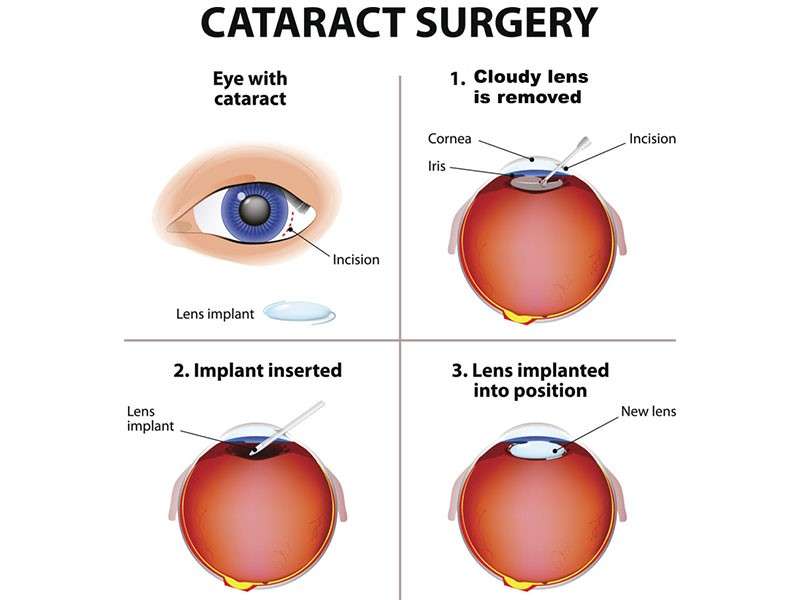
This common condition involves insufficient tear production or excessive tear evaporation causing discomfort and potential damage to ocular surfaces. Proper management enhances comfort significantly.
- < l i > SymptomsandCauses: Persistent dryness,t irritation,burning sensation,and rednessare classic manifestations,often relatedto environmental factorsor underlying health issues.< l i > Diagnosis: Clinical evaluationincludestear film testsand examinationof eyelidfunctiontoidentify causative factors.< l i > Treatment/Management: Artificial tears,useof humidifiers,lifestyle adjustments,and addressing contributing conditionsform cornerstone therapies.< l i > WhattoExpect: With appropriate care,symptom reliefis achievable though occasionallyrequires ongoing maintenance.
Managing dryeye diseaseproactivelyhelps preventcomplicationslike corneal irritationandimproves overalleye comfortfor affected individuals.
CHILDHOOD VISION SCREENING
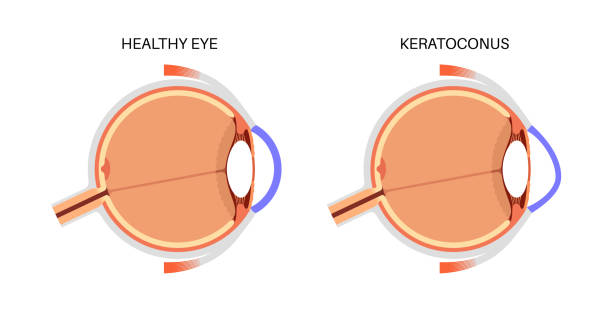
Pediatric eye screenings are crucial for identifying early vision problems that could affect learning and development. Detecting issues promptly supports healthy visual maturation during childhood.
- Symptoms and Causes: Children may not express difficulty but signs include squinting, sitting close to screens, or frequent eye rubbing due to refractive errors or amblyopia (lazy eye).
- Diagnosis:: Age-appropriate tests assess focusing ability, eye alignment, color vision, and overall ocular health reliably even in young children.
CATARACT ASSESSMENT AND SURGERY PREPARATION
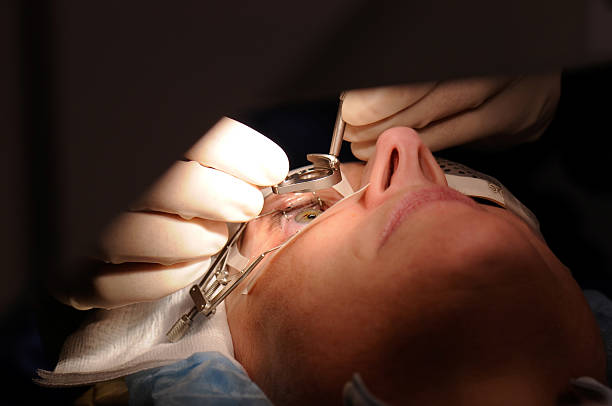
A cataract involves clouding of the eye’s natural lens leading to decreased vision; it is highly prevalent with advancing age but treatable through surgery when needed.
- Symptoms and Causes: Gradual blurring of vision, glare problems, and difficulty seeing at night result from protein clumping within the lens typically due to aging or injury.
- Diagnosis: Slit-lamp examination and visual acuity testing confirm cataract presence and severity level.
- Treatment/Management: Surgery replaces the cloudy lens with an artificial one once visual impairment affects daily life significantly.
- What to Expect: Pre-surgical evaluations include detailed measurements; post-surgery recovery generally restores clear vision within weeks.
Cataract surgery remains one of the safest & most effective treatments available allowing patients improved quality of life after recovery.
AGE-RELATED MACULAR DEGENERATION (AMD) EVALUATION
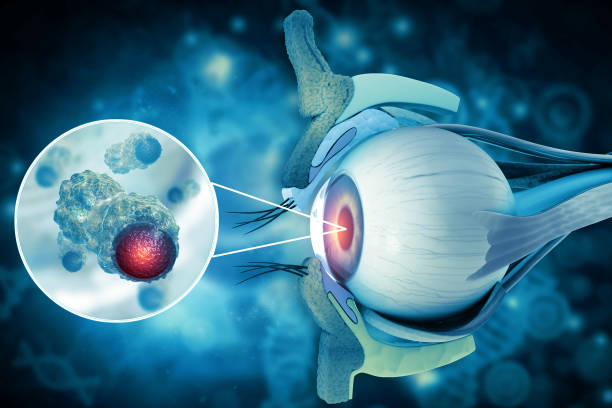
This condition primarily affects older adults by deteriorating the central part of the retina responsible for sharp vision. Timely evaluation can safeguard daily activities like reading and driving.
- Symptoms and Causes: Blurred or distorted central vision with age-related changes in retinal cells being primary causes.
- Diagnosis: Visual acuity tests, dilated fundus examination, and imaging techniques such as optical coherence tomography help confirm diagnosis.
- Treatment/Management: Lifestyle modifications, nutritional supplements, or injections may be advised depending on type (dry or wet AMD).
- What to Expect: Early signs often require vigilant observation; treatment aims to slow deterioration rather than cure AMD completely.
A proactive approach in regular check-ups can help maintain quality of vision despite this degenerative condition.
GLAUCOMA SCREENING AND MANAGEMENT
Glaucoma is a group of eye conditions that damage the optic nerve usually due to elevated eye pressure. It can lead to irreversible vision loss if untreated.
- Symptoms and Causes: Often called the 'silent thief of sight,' it typically causes no symptoms until advanced stages; family history increases risk.
- Diagnosis: Eye pressure measurement, optic nerve imaging, and visual field testing are key diagnostic tools.
- Treatment/Management: Eye drops, laser treatments, or surgery may be recommended to reduce intraocular pressure.
- What to Expect: Early detection through routine screening allows for effective management to slow disease progression.
Lifelong follow-up is essential for monitoring treatment efficacy and preserving visual function in glaucoma patients.
DIABETIC RETINOPATHY SCREENING
Diabetic retinopathy is a common complication of diabetes that affects the blood vessels in the retina. Early detection through screening is critical to prevent vision loss.
- Symptoms and Causes: Often asymptomatic in early stages, it results from prolonged high blood sugar damaging retinal blood vessels.
- Diagnosis: Comprehensive eye exams including dilated retina evaluation and retinal photography help detect subtle changes.
- Treatment/Management: Strict blood sugar control, laser therapy, or injections may be used depending on severity.
- What to Expect: Regular screenings can identify progression early, enabling prompt intervention to preserve sight.
Monitoring diabetic eye health regularly helps in minimizing the risk of severe complications and maintaining overall vision quality.