
DR Lotlikar Ramnath G
About Me
DR Lotlikar Ramnath G
Cardiologist
Biography
My Clinic
OPD Hours
| Tuesday | Morning | 10:00 AM | - | 02:00 PM |
| Evening | 06:00 PM | - | 09:00 PM | |
| Wednesday | Morning | 10:00 AM | - | 02:00 PM |
| Evening | 06:00 PM | - | 09:00 PM | |
| Thursday | Morning | 10:00 AM | - | 02:00 PM |
| Evening | 06:00 PM | - | 09:00 PM | |
| Friday | Morning | 10:00 AM | - | 02:00 PM |
| Evening | 06:00 PM | - | 09:00 PM | |
| Saturday | Morning | 10:00 AM | - | 02:00 PM |
| Evening | 06:00 PM | - | 09:00 PM | |
| Sunday | Morning | 10:00 AM | - | 02:00 PM |
| Evening | 06:00 PM | - | 09:00 PM | |
| Thursday | Morning | 10:00 AM | - | 02:00 PM |
| Evening | 06:00 PM | - | 09:00 PM |
Treatments
Specialised care and treatments offered
VALVULAR HEART DISEASE TREATMENT

This condition affects one or more valves within your heart—disturbing normal blood flow patterns causing various complications over time without timely care!
.- Symptoms: Symptoms might involve difficulty catching one's breath during physical activities accompanied by swelling in lower extremities!
- Causes: Conditions like rheumatic fever/congenital malformations perpetrate valve deterioration prompting further risks joining existing cardiac complications together!.
- Diagnosis: Advanced imaging techniques reveal family history combined with echocardiograms assists medical experts determining valve functionality accurately!
(Preventive measures significantly reduce future complications- understanding individual needs encourages cooperative efforts taking precautions together ahead.)
(CORONARY ARTERY DISEASE MANAGEMENT
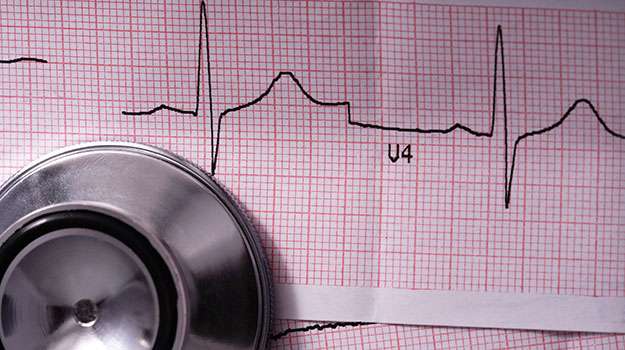
This common type of heart disease occurs when the coronary arteries narrow due to plaque buildup. It's important for individuals at risk to manage this condition proactively.
- Main Causes: High cholesterol levels, smoking habits, sedentary lifestyles promote arterial blockages leading to reduced blood flow to the heart muscle.
A proactive approach guarantees better outcomes for individuals diagnosed with coronary artery disease!
ARRHYTHMIA TREATMENT
An arrhythmia refers to an irregular heartbeat that can affect how efficiently the heart pumps blood. Recognizing its signs is crucial for timely intervention
.- Symptoms: Palpitations or fluttering sensations in the chest; some may feel dizzy or faint during episodes.
- Causes: Stress, excessive alcohol consumption, certain medications or underlying conditions like high blood pressure may trigger arrhythmias.
- Diagnosis: A thorough evaluation typically involves ECG monitoring to capture abnormal rhythms during a heartbeat cycle.
- Treatment Options: Depending on severity; options range from lifestyle changes to antiarrhythmic drugs or procedures like catheter ablation.
- Follow-Up Care: Regular follow-up appointments are necessary for ongoing management and adjustment of treatment plans.
Understanding your arrhythmia can empower you in controlling your health better.
HEART FAILURE MANAGEMENT
Heart failure is a chronic condition where the heart cannot pump enough blood to meet the body's needs. It's critical to understand this condition for effective management.
- Causes: Common causes include coronary artery disease, high blood pressure, diabetes, and previous heart attacks.
- Symptoms: Patients may experience fatigue, swollen legs or ankles, irregular heartbeat, and difficulty breathing during physical activities.
- Diagnosis: Doctors utilize ultrasound imaging of the heart (echocardiogram), blood tests, and physical exams for assessment.
- Treatment Options: Managing heart failure often involves medications such as diuretics or ACE inhibitors; lifestyle changes are also recommended.
- Coping Strategies: Education on fluid management and dietary choices plays a vital role in controlling symptoms effectively.
An informed approach can enhance quality of life for those living with heart failure.
CHOLESTEROL MANAGEMENT
High cholesterol is a major risk factor for cardiovascular diseases. It occurs when there's an excess of lipids in the bloodstream, which can lead to plaque buildup in arteries.
- Causes: Poor diet, inactivity, obesity, and genetics contribute to elevated cholesterol levels.
- Symptoms: Often asymptomatic until severe complications arise; patients may eventually face heart problems or strokes.
- Diagnosis: A simple blood test measures total cholesterol and its components: LDL (bad) and HDL (good).
- Treatment Options: Effective management includes dietary modifications, physical activity enhancement, and potentially medications like statins.
- Your Journey: Regular monitoring is crucial to maintain healthy cholesterol levels and prevent associated risks.
A committed approach towards managing cholesterol can prevent long-term health issues.
HYPERTENSION MANAGEMENT
Hypertension, commonly known as high blood pressure, is a condition that can lead to serious health issues if left untreated. It often presents no symptoms, making regular monitoring essential.
- Causes: Factors include genetics, obesity, high sodium intake, and stress.
- Symptoms: While many individuals are asymptomatic, some may experience headaches, shortness of breath, or nosebleeds.
- Diagnosis: Blood pressure readings taken during routine check-ups help diagnose hypertension.
- Treatment Options: Management includes lifestyle changes such as diet and exercise, along with medications prescribed by a doctor.
- What to Expect: Regular follow-ups are necessary to monitor blood pressure levels and adjust treatment as needed.
A proactive approach to managing hypertension can significantly reduce the risk of heart disease and stroke.