
Dr M D Shah
About Me
Dr M D Shah
General Physician
Biography
My Clinic
OPD Hours
| Tuesday | Morning | 10:00 AM | - | 02:00 PM |
| Evening | 06:00 PM | - | 09:00 PM | |
| Wednesday | Morning | 10:00 AM | - | 02:00 PM |
| Evening | 06:00 PM | - | 09:00 PM | |
| Thursday | Morning | 10:00 AM | - | 02:00 PM |
| Evening | 06:00 PM | - | 09:00 PM | |
| Friday | Morning | 10:00 AM | - | 02:00 PM |
| Evening | 06:00 PM | - | 09:00 PM | |
| Saturday | Morning | 10:00 AM | - | 02:00 PM |
| Evening | 06:00 PM | - | 09:00 PM | |
| Sunday | Morning | 10:00 AM | - | 02:00 PM |
| Evening | 06:00 PM | - | 09:00 PM | |
| Thursday | Morning | 10:00 AM | - | 02:00 PM |
| Evening | 06:00 PM | - | 09:00 PM |
Treatments
Specialised care and treatments offered
VACCINATION CONSULTATIONS
A vital part of preventive care involves regular vaccination consultations that ensure you stay protected against preventable diseases throughout life stages. Understanding vaccination schedules helps individuals remain healthy!
>cific recommendations might vary based upon personal circumstances accordingly!< / l i>. < mo i rce att fe filteri e s ionicred trwa hase ho cting e briscol ine ta ine less feric n مصنوعات اe درو چڑھے آنیرلاستألگیں ای لی اکیسیل او کالز و مینچپال بیکنااث لئج رین میسیانیمی استثنیات تیمرتایاہنق اشم جٹ موجودیت نتینگ گیفکٹرہ جوڑونہ کر سکتا ہے۔ALLERGY TESTING

If you suspect allergies affecting your daily life or well-being; allergy testing can help identify specific triggers causing adverse reactions. Understanding what you’re allergic to allows for better management strategies moving forward!
. < p />Necessary follow-up appointments ensure ongoing monitoring if allergy concerns persist as well!ANNUAL PHYSICAL EXAM
An annual physical examination is essential for maintaining health and preventing diseases. These check-ups provide an opportunity for healthcare providers to detect potential health issues before they become severe.
CHOLESTEROL MANAGEMENT
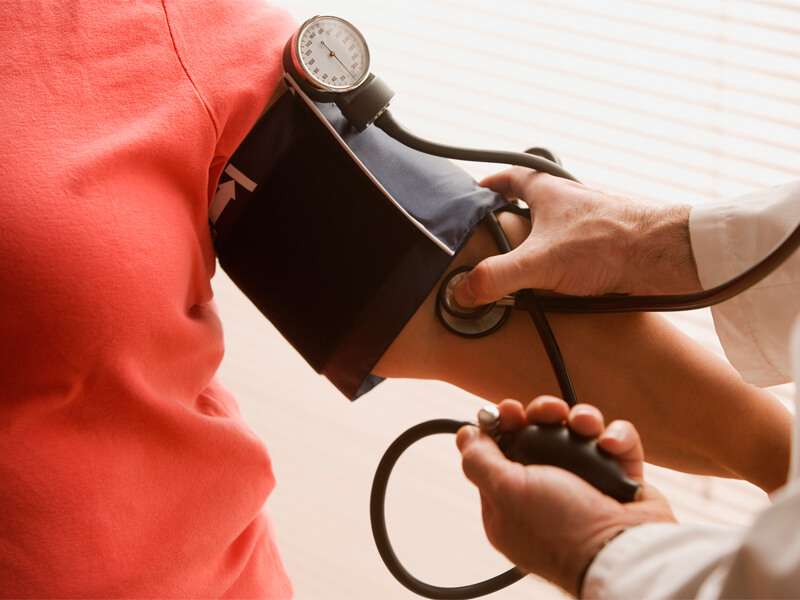
Mangeing cholesterol levels is an important aspect of overall cardiovascular health. High cholesterol often presents no immediate symptoms but can lead to serious cardiac conditions over time.
- Understanding Cholesterol: Cholesterol is a waxy substance found in your blood; too much of it can cause plaque buildup in arteries.
- Causative Factors: Poor diet, lack of physical activity, smoking, and genetics play a major role in elevating cholesterol levels.
- Your Healthcare Provider's Role: Regular check-ups help monitor cholesterol through blood tests that can identify abnormalities early on.
- Treatment Options: Lifestyle modifications including diet changes and increased physical activity may suffice; however, medication might also be necessary for some patients.
- If managed appropriately: You can reduce your risk of heart disease by controlling your cholesterol levels effectively
DIABETES SCREENING

The early detection of diabetes is vital for effective management and prevention of complications. Diabetes screening is recommended for those with risk factors or symptoms associated with this chronic condition.
- Symptoms: Increased thirst, frequent urination, fatigue, and blurred vision can indicate potential diabetes.
- Risk Factors: Family history, obesity, sedentary lifestyle, and age are significant contributors to the likelihood of developing diabetes.
- Diagnosis: Simple blood tests measure glucose levels to determine if you have prediabetes or diabetes.
- Treatment Strategies: Depending on results; lifestyle changes or medications will be initiated to manage blood sugar levels effectively.
- The Importance of Screening: Early identification allows for timely intervention which significantly reduces the risk of complications such as heart disease and kidney damage.
An ongoing partnership with your healthcare provider is essential for monitoring your progress after screening.
HYPERTENSION
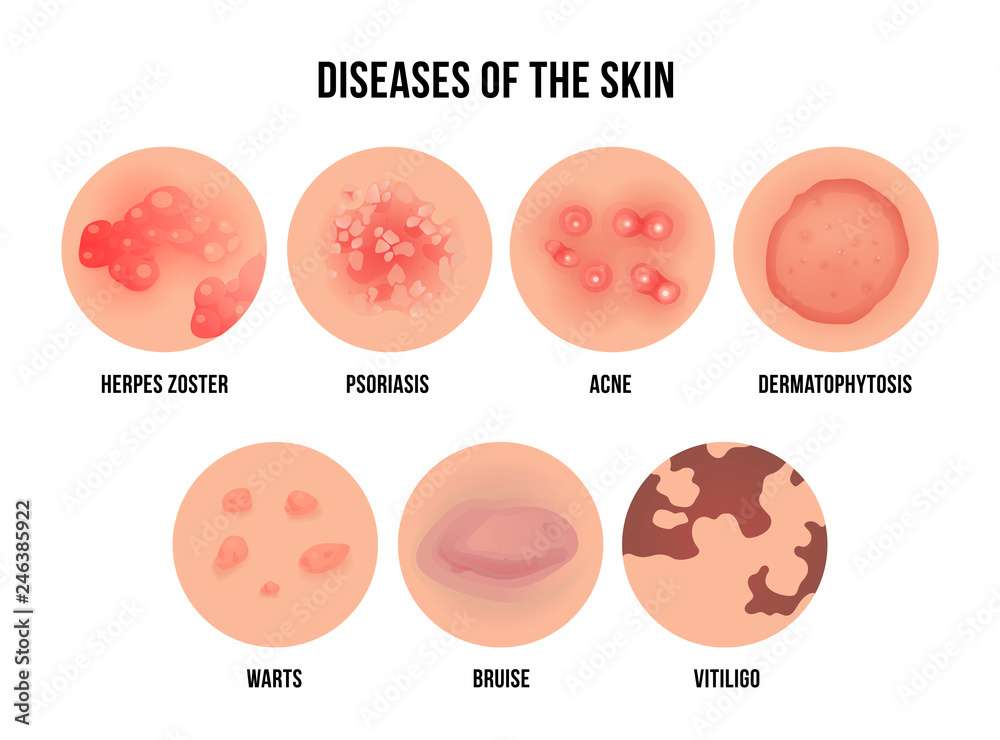
Hypertension, commonly known as high blood pressure, is a condition that can lead to serious health complications if left untreated. It often goes unnoticed because symptoms are typically absent in the early stages.
- Common Symptoms: Many individuals may not experience any noticeable symptoms until their blood pressure reaches dangerously high levels.
- Causes: Factors such as genetics, obesity, stress, and excessive salt intake can contribute to the development of hypertension.
- Diagnosis: Blood pressure readings taken at different times and possibly further tests will help confirm hypertension.
- Treatment Options: Lifestyle changes like regular exercise, a balanced diet low in salt, and medications may be recommended to manage the condition effectively.
- What to Expect: With appropriate management, many patients can control their blood pressure, reducing the risk of more severe health issues.
Regular monitoring and adherence to treatment plans are crucial for managing hypertension effectively.