
Dr M G Pillai
About Me
Dr M G Pillai
Cardiologist
Biography
My Clinic
OPD Hours
| Tuesday | Morning | 10:00 AM | - | 02:00 PM |
| Evening | 06:00 PM | - | 09:00 PM | |
| Wednesday | Morning | 10:00 AM | - | 02:00 PM |
| Evening | 06:00 PM | - | 09:00 PM | |
| Thursday | Morning | 10:00 AM | - | 02:00 PM |
| Evening | 06:00 PM | - | 09:00 PM | |
| Friday | Morning | 10:00 AM | - | 02:00 PM |
| Evening | 06:00 PM | - | 09:00 PM | |
| Saturday | Morning | 10:00 AM | - | 02:00 PM |
| Evening | 06:00 PM | - | 09:00 PM | |
| Sunday | Morning | 10:00 AM | - | 02:00 PM |
| Evening | 06:00 PM | - | 09:00 PM | |
| Thursday | Morning | 10:00 AM | - | 02:00 PM |
| Evening | 06:00 PM | - | 09:00 PM |
Treatments
Specialised care and treatments offered
CHEST PAIN EVALUATION

An assessment for chest pain investigates potential underlying cardiac conditions requiring prompt attention. Understanding what contributes to your discomfort can help guide appropriate interventions efficiently while reassuring concerns proactively!
- Common sources of this symptom range from anxiety/fatigue,vessels spasming ; it could also indicate acute coronary syndrome!
- Diagnosis involves detailed history-taking plus physical exams alongside specialized diagnostics such as stress tests , echocardiograms ,and sometimes even CT scans depending on presenting characteristics .
- Evaluation strategies determine treatments targeting root causes ranging from medication adjustments enhancing vascular health soothing anxieties inducing calm relaxation(when applicable). Further consults recommended upon discovering abnormalities necessitating closer monitoring/interventions logistical insights into recovery paths ahead!
- Afterward based upon findings discussed earlier—individuals receive personalized follow-ups ensuring ongoing assessments addressing respective needs while reinforcing preventive care principles going forward!
Ultimately identifying risks early minimizes adverse events promoting overall wellness across diverse patient populations alike !
HYPERTENSION MANAGEMENT
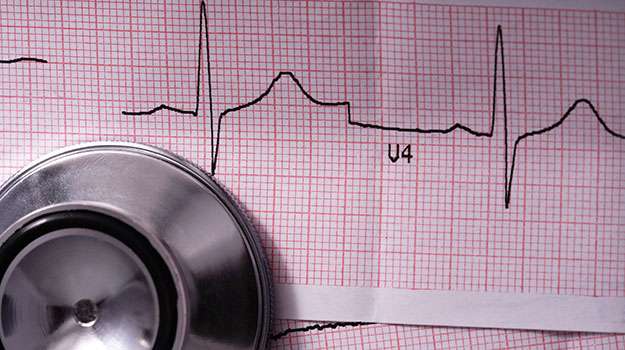
The management of hypertension (high blood pressure) is vital given its role as a silent killer linked to severe outcomes like stroke and heart disease. Understanding effective control measures can significantly impact long-term health outcomes positively.
- Mainly cited symptoms, though often asymptomatic, can include headaches or dizziness in severe cases when pressures reach critical levels.
- An exceptional diagnosis includes routine blood pressure measurements along with possible laboratory tests assessing kidney function or cholesterol levels impacting cardiovascular risks further amplifying hypertension severity if untreated accordingly..
- A variety of management options exist: lifestyle changes involving diet & exercise; pharmacological interventions with antihypertensives; regular monitoring for tailored individualized approaches based on each patient’s specific needs & responsiveness as well; effective interventions directly correlate with positive health outcomes experienced by patients over time through continued adherence!
Catching high blood pressure early allows you better control your health throughout various life stages effectively!
PERIPHERAL ARTERY DISEASE TREATMENT
PAD occurs when narrowed arteries reduce blood flow to the limbs. It’s crucial for patients experiencing related symptoms promptly seek evaluation and treatment to mitigate serious complications like limb amputation.
- The primary symptoms involve pain or cramping in the legs during physical activity due to insufficient blood supply (claudication).
- A comprehensive diagnosis is made through physical examinations alongside imaging tests such as ultrasound or angiography for clarity on blockage locations.
- Treatment strategies encompass lifestyle modifications (diet and exercise), medications aimed at improving circulation, and possibly procedures like angioplasty or bypass surgery if necessary.
- PATIENTS CAN EXPECT improved mobility after treatment with ongoing follow-up care ensuring sustained vascular health over time.
Easing symptoms early helps prevent progression toward more severe cardiovascular conditions affecting overall wellbeing.
HEART VALVE REPAIR
A heart valve repair is a surgical procedure designed to treat malfunctioning heart valves that may not close properly (regurgitation) or narrow (stenosis). Addressing these issues is crucial for maintaining efficient blood flow throughout the body.
- The main symptoms include fatigue, irregular heartbeat, and swelling in various body parts due to fluid retention.
- This condition is usually diagnosed through an echocardiogram, providing images of the valves' structure and function.
- Treatment options might involve minimally invasive techniques such as balloon valvuloplasty or direct surgical repair methods aimed at restoring proper function without complete replacement.
- Postoperative recovery typically involves monitoring in a hospital setting followed by a gradual return to normal activities based on individual progress.
This intervention significantly enhances patients' quality of life by alleviating symptoms associated with valve dysfunction and improving overall cardiac health.
ATRIAL FIBRILLATION MANAGEMENT
Atrial fibrillation (AFib) is an irregular heartbeat that can increase the risk of stroke and other heart-related issues. Effective management of AFib focuses on restoring normal rhythm and preventing potential complications.
- Common symptoms include palpitations, dizziness, shortness of breath, and fatigue.
- A thorough diagnosis involves an ELECTROCARDIOGRAM (ECG), which records the heart's electrical activity to confirm AFib presence.
- Treatment may involve medications such as anticoagulants for stroke prevention or antiarrhythmics to restore rhythm. In some cases, cardioversion, an electrical shock to reset the heart rhythm, may be necessary.
- Pacing devices or ablation therapy are viable options for persistent cases that do not respond well to medication.
With proper management strategies in place, individuals can maintain a good quality of life while effectively controlling their condition.
CORONARY ANGIOPLASTY
Coronary angioplasty is a minimally invasive procedure aimed at opening blocked coronary arteries to restore normal blood flow to the heart. This condition often results from plaque buildup, which can lead to chest pain or other serious cardiovascular complications.
- Symptoms may include chest discomfort, shortness of breath, and fatigue, especially during exertion.
- Diagnosis typically involves angiography, where a dye is injected into the arteries to visualize blockages using X-ray imaging.
- Treatment options include the insertion of a balloon catheter, which expands the artery, sometimes accompanied by a stent placement to keep the artery open.
- Post-procedure, patients can expect monitoring for potential complications, with many resuming normal activities within a few days.
This procedure not only alleviates symptoms but also reduces the risk of heart attack and enhances overall heart function.