
Dr M G Pillai
About Me
Dr M G Pillai
Cardiologist
Biography
My Clinic
OPD Hours
| Tuesday | Morning | 10:00 AM | - | 02:00 PM |
| Evening | 06:00 PM | - | 09:00 PM | |
| Wednesday | Morning | 10:00 AM | - | 02:00 PM |
| Evening | 06:00 PM | - | 09:00 PM | |
| Thursday | Morning | 10:00 AM | - | 02:00 PM |
| Evening | 06:00 PM | - | 09:00 PM | |
| Friday | Morning | 10:00 AM | - | 02:00 PM |
| Evening | 06:00 PM | - | 09:00 PM | |
| Saturday | Morning | 10:00 AM | - | 02:00 PM |
| Evening | 06:00 PM | - | 09:00 PM | |
| Sunday | Morning | 10:00 AM | - | 02:00 PM |
| Evening | 06:00 PM | - | 09:00 PM | |
| Thursday | Morning | 10:00 AM | - | 02:00 PM |
| Evening | 06:00 PM | - | 09:00 PM |
Treatments
Specialised care and treatments offered
TRANSCATHETER AORTIC VALVE REPLACEMENT (TAVR)

The transcatheter aortic valve replacement (TAVR) technique offers a less invasive approach compared to traditional open-heart surgeries for treating severe aortic stenosis. During this procedure, doctors insert a catheter through the femoral artery directing it toward the heart where they replace damaged valves safely without major incisions. Many seniors benefit enormously from its minimized recovery times while enhancing functional capacities dramatically following intervention
.- .
- . Symptoms: Classic indications include breathlessness during moderate activities along with chest discomfort signaling poor valve function.
- Diagnosis: Assessment typically involves echocardiography paired alongside symptom evaluations ensuring precise identification regarding severity levels before proceeding towards TAVR recommendations.
- Treatment Options: While TAVR presents efficacy; medication regimens focused primarily on managing comorbidities also come into play post-procedure extending patient care beyond just surgical options provided initially..
- What to Expect: Most experience relief soon after surgery allowing improved activities within days rendering them back into previously enjoyed lifestyles post-intervention much faster than traditional alternatives.
The progressive method showcases how modern technology continues transforming cardiovascular treatments towards positive patient outcomes benefiting many approaching age-related ailments progressively over time losing semblance regarding expected extensive vulnerability.-
IMPLANTABLE CARDIOVERTER DEFIBRILLATOR (ICD)
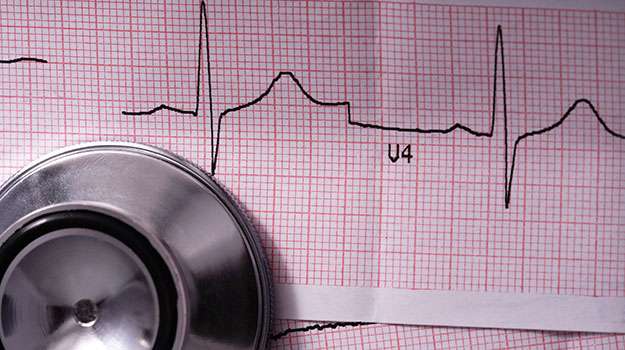
An implantable cardioverter defibrillator (ICD) is a device implanted under the skin that monitors heart rhythm continuously and delivers shocks if it detects dangerous arrhythmias. It serves an essential role in preventing sudden cardiac death in patients at high risk due to underlying conditions such as previous heart attacks or inherited arrhythmias.
Living with an ICD empowers patients by providing peace of mind through its preventive capabilities against life-threatening arrhythmias.
HEART BYPASS SURGERY
Heart bypass surgery is performed to redirect blood around blocked arteries supplying blood to the heart muscle. This operation is critical when blockages create significant restrictions in blood flow leading to severe consequences including heart attacks or chronic angina. Ensuring proper blood flow can greatly enhance overall cardiac health and patient longevity.
- Symptoms: Patients may experience extreme fatigue during exertion, chest pain or tightness due to insufficient blood supply during physical activities.
- Diagnosis: A combination of imaging studies like angiography alongside stress testing helps determine the necessity for surgery based on blockage severity.
- Treatment Options: Besides bypass surgery itself, comprehensive treatment plans usually include lifestyle modifications and medications targeting risk factors like high cholesterol or hypertension.
- What to Expect:The surgery generally requires hospitalization followed by careful monitoring during recovery where rehabilitation plays a key role towards full recovery.
ATRIAL FIBRILLATION ABLATION
Atrial fibrillation ablation is an advanced treatment designed for individuals suffering from irregular heart rhythms (arrhythmias). This procedure aims to destroy small areas of heart tissue that are causing abnormal signals affecting heart rhythm. By restoring normal electrical pathways in the heart, this intervention reduces symptoms and risks associated with atrial fibrillation.
- Symptoms: Patients may experience rapid heartbeat, dizziness, or instances of fainting due to arrhythmia episodes.
- Diagnosis: Diagnosis often involves ECG monitoring over time along with Holter monitors for assessing rhythm patterns during daily activities.
- Treatment Options: Besides ablation therapy, medication management is common; lifestyle changes are also encouraged for optimal outcomes.
- What to Expect: Recovery usually takes several weeks but most patients report significant improvements in their symptoms post-procedure.
This technique offers hope for those seeking a more permanent solution to manage their condition effectively.
HEART VALVE REPAIR
Heart valve repair is a surgical procedure aimed at correcting issues related to the heart's valves that do not open or close properly. These issues can lead to inefficiencies in blood flow and potentially serious complications if left untreated. It’s crucial for restoring normal heart function and ensuring long-term health.
- Symptoms: Common symptoms include palpitations, fatigue, shortness of breath, and swelling in the legs or abdomen.
- Diagnosis: Doctors use echocardiograms and MRI scans to assess valve function and structure accurately.
- Treatment Options: Treatment strategies may involve repairing the damaged valve using various techniques or replacing it altogether if necessary.
- What to Expect: Post-operative recovery varies but often includes a hospital stay of several days followed by gradual rehabilitation exercises.
This surgical option significantly enhances quality of life for patients suffering from valvular heart disease.
CORONARY ANGIOPLASTY
Coronary angioplasty is a minimally invasive procedure used to open narrowed or blocked coronary arteries. This condition often arises from a buildup of fatty deposits, known as plaques, which can restrict blood flow to the heart. The goal of the procedure is to restore adequate blood circulation and alleviate symptoms such as chest pain.
- Symptoms: Patients may experience chest discomfort, shortness of breath, or fatigue during physical activity.
- Diagnosis: Diagnosis typically involves stress tests, electrocardiograms (ECGs), and imaging techniques like angiography.
- Treatment Options: Besides angioplasty, treatment may include medication management, lifestyle changes, and in some cases, stenting.
- What to Expect: After the procedure, patients usually feel immediate relief from angina symptoms, with a short recovery time required.
This intervention plays a crucial role in managing coronary artery disease effectively.