
Dr M K Bohra
About Me
Dr M K Bohra
MD
Neurologist
10 Years Experience
Biography
My Clinic
OPD Hours
| Monday | Morning | 10:00 AM | - | 02:00 PM |
| Evening | 06:00 PM | - | 09:00 PM | |
| Tuesday | Morning | 10:00 AM | - | 02:00 PM |
| Evening | 06:00 PM | - | 09:00 PM | |
| Wednesday | Morning | 10:00 AM | - | 02:00 PM |
| Evening | 06:00 PM | - | 09:00 PM | |
| Thursday | Morning | 10:00 AM | - | 02:00 PM |
| Evening | 06:00 PM | - | 09:00 PM | |
| Friday | Morning | 10:00 AM | - | 02:00 PM |
| Evening | 06:00 PM | - | 09:00 PM | |
| Saturday | Morning | 10:00 AM | - | 02:00 PM |
| Evening | 06:00 PM | - | 09:00 PM | |
| Sunday | Morning | 10:00 AM | - | 02:00 PM |
| Evening | 06:00 PM | - | 09:00 PM |
Treatments
Specialised care and treatments offered
NEUROPATHY

The term neuropathy refers to various conditions stemming from nerve damage which can lead to numbness/pain especially impacting extremities. Understanding its underlying causes aids successful recovery practices!
- Causes : Diabetes remains one of primary culprits alongside exposure toxins/infections leading up nerve injuries.
- Symptoms : Patients typically report tingling sensations/loss feeling within fingers/toes; others may experience debilitating sharp pains continuously interfering functionality!
- Diagnosis : Diagnoses occur primarily via thorough evaluations assessing circulation/nervous system responses; electromyography tests frequently help identify specific abnormalities being observed.
- Management Techniques : Effective management involves both lifestyle adjustments – incorporating exercise/dietary changes alongside prescribed pain-relievers/medications when necessary!
A comprehensive analysis facilitates holistic approaches fostering improvements long-term enhancing patient’s overall well-being throughout therapeutic journey whenever managing neuropathic conditions.
CHRONIC HEADACHES
Chronic headaches are persistent pain conditions that can greatly affect daily functioning. They may manifest as migraines or tension-type headaches among various types affecting individuals differently based on triggers involved in each case.
- Symptoms : Chronic headache sufferers may experience frequent pain episodes lasting hours or even days accompanied by nausea or light sensitivity.< /l i >Triggers : Triggers could vary widely from stressors like anxiety to dietary triggers such as caffeine withdrawal.< /l i >Treatment Options : The treatment approach often combines lifestyle modification strategies along with preventive medications aimed at reducing headache frequency!< /l i >Consultation : Working closely with healthcare professionals ensures tailored management plans specifically addressing individual needs!< /l i >
With proactive care measures implemented! Chronic-headache afflicted persons can navigate their lives more comfortably.
PARKINSON'S DISEASE
Parksinson's disease is a degenerative neurological disorder that affects movement control. It results from the loss of dopamine-producing neurons in the brain leading to motor control issues over time.
- Symptoms: Common symptoms include tremors at rest, stiffness, slowness of movement (bradykinesia), and balance problems.
- Diagnosis: Diagnosis relies on clinical evaluations based on medical history as well as physical examinations focused on movement patterns.
ALZHEIMER'S DISEASE
Alzheimer's disease is a progressive neurological disorder that leads to memory loss and cognitive decline. It primarily affects older adults but can also emerge earlier in life as early-onset Alzheimer's.
- Symptoms: Early symptoms might include forgetfulness or confusion about time or place; advanced stages could impair language skills or reasoning ability significantly.
- Diagnosis: Diagnosis typically includes medical history evaluation, cognitive testing, neuropsychological assessments, and imaging studies like PET scans or MRIs.
- Treatment: While there is no cure for Alzheimer’s at present, certain medications can help manage symptoms temporarily or slow progression in some cases.
Elder care support systems are vital for helping families cope with the challenges that arise from caring for someone with this condition.
MULTIPLE SCLEROSIS
Multiple sclerosis (MS) is a chronic disease affecting the central nervous system that disrupts communication between the brain and the body. It is characterized by inflammation and damage to the myelin sheath surrounding nerve fibers.
- Symptoms: Symptoms vary widely but may include fatigue, visual disturbances, muscle weakness, and coordination problems.
- Diagnosis: MS diagnosis involves neurological examinations, MRI scans, and sometimes lumbar punctures to analyze cerebrospinal fluid.
- Treatment: Treatment focuses on managing symptoms through medications like corticosteroids and disease-modifying therapies to slow progression.
- Rehabilitation: Physical therapy is often recommended to enhance mobility and function.
With ongoing research and treatment advancements, many people with MS live active lives despite their diagnosis.
EPILEPSY
Epilepsy is a neurological disorder characterized by recurrent seizures. These seizures occur due to sudden, abnormal electrical activity in the brain. Understanding epilepsy is crucial for effective management and improving quality of life.
- Symptoms: Common symptoms include convulsions, loss of consciousness, and unusual sensations or behaviors.
- Diagnosis: Diagnosis usually involves neurological exams, brain imaging (like MRI), and electroencephalograms (EEGs) to measure electrical activity in the brain.
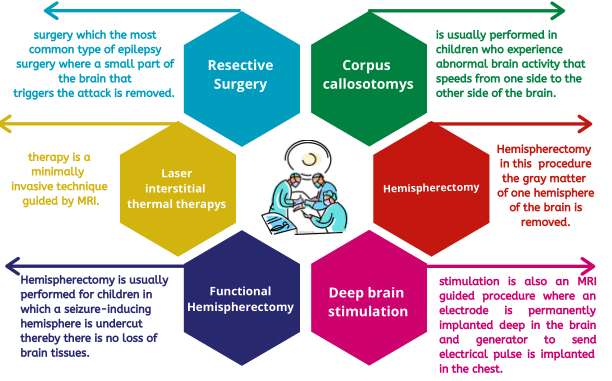
- Treatment: Treatment options may include antiepileptic medications, lifestyle modifications, and in some cases, surgery.
- Management: Regular follow-ups with a healthcare provider are essential for monitoring seizures and medication effectiveness.
- Prognosis: Many individuals with epilepsy can lead normal lives with proper treatment and management strategies.
With appropriate care, those living with epilepsy can successfully manage their condition.