
Dr M K BohraMS-
About Me
Dr M K BohraMS-
MBBS
General Physician
Biography
My Clinic
OPD Hours
| Monday | Morning | 10:00 AM | - | 02:00 PM |
| Evening | 06:00 PM | - | 09:00 PM | |
| Tuesday | Morning | 10:00 AM | - | 02:00 PM |
| Evening | 06:00 PM | - | 09:00 PM | |
| Wednesday | Morning | 10:00 AM | - | 02:00 PM |
| Evening | 06:00 PM | - | 09:00 PM | |
| Thursday | Morning | 10:00 AM | - | 02:00 PM |
| Evening | 06:00 PM | - | 09:00 PM | |
| Friday | Morning | 10:00 AM | - | 02:00 PM |
| Evening | 06:00 PM | - | 09:00 PM | |
| Saturday | Morning | 10:00 AM | - | 02:00 PM |
| Evening | 06:00 PM | - | 09:00 PM | |
| Sunday | Morning | 10:00 AM | - | 02:00 PM |
| Evening | 06:00 PM | - | 09:00 PM |
Treatments
Specialised care and treatments offered
ASTHMA CONTROL
Asthma is a chronic respiratory condition characterized by airway inflammation resulting in difficulty breathing. It varies among individuals regarding triggers and severity but requires diligent management for optimal control.
- Symptoms: Signs include wheezing, coughing (especially at night), chest tightness, and shortness of breath upon exertion or exposure to allergens.
- Causes: Common triggers encompass allergens (like pollen), respiratory infections, cold air exposure, smoke (from tobacco), exercise-induced factors, or stress?
DIABETES MELLITUS MANAGEMENT
Diabetes mellitus refers to a group of diseases characterized by high blood sugar levels over a prolonged period. It arises due to insulin resistance or insufficient insulin production by the pancreas.
- Symptoms: Increased thirst, frequent urination, extreme fatigue, blurred vision, and slow healing of wounds are common indicators of diabetes.
- Causes: Type 1 diabetes typically has a genetic base; Type 2 is often linked to obesity and inactivity coupled with familial history of diabetes.
- Diagnosis: Blood tests measuring glucose levels help determine diabetes status. Fasting blood sugar testing or HbA1c levels are commonly used methods.
- Treatment Options: Management might involve lifestyle changes like diet improvement alongside medications including metformin or insulin therapy in advanced cases.
- What to Expect: Regular monitoring of blood glucose levels is crucial for effective management and prevention of potential complications such as neuropathy or cardiovascular disease.
An individualized care plan can help ensure better control of diabetes and maintain the quality of life for patients diagnosed with this condition.
CHRONIC OBSTRUCTIVE PULMONARY DISEASE (COPD) MANAGEMENT

COPD is a progressive lung disease that obstructs airflow and makes it difficult to breathe. It primarily results from long-term exposure to irritants that damage the lungs, such as smoking or environmental pollutants.
- Symptoms: Common symptoms include chronic cough, increased mucus production, wheezing, and shortness of breath during physical activity.
- Causes: The primary cause is tobacco smoking; however, long-term exposure to air pollution and other lung irritants also contribute significantly.
- Diagnosis: Diagnosis involves pulmonary function tests like spirometry to measure lung capacity and airflow obstruction.
- Treatment Options: COPD management includes bronchodilators for symptom relief and corticosteroids to reduce inflammation. Pulmonary rehabilitation may also be recommended.
- What to Expect: Patients will benefit from regular follow-ups to monitor their condition actively and adapt treatments as needed for optimal management.
A comprehensive approach combining medication with lifestyle changes can significantly improve quality of life for those with COPD.
HYPERTENSION MANAGEMENT
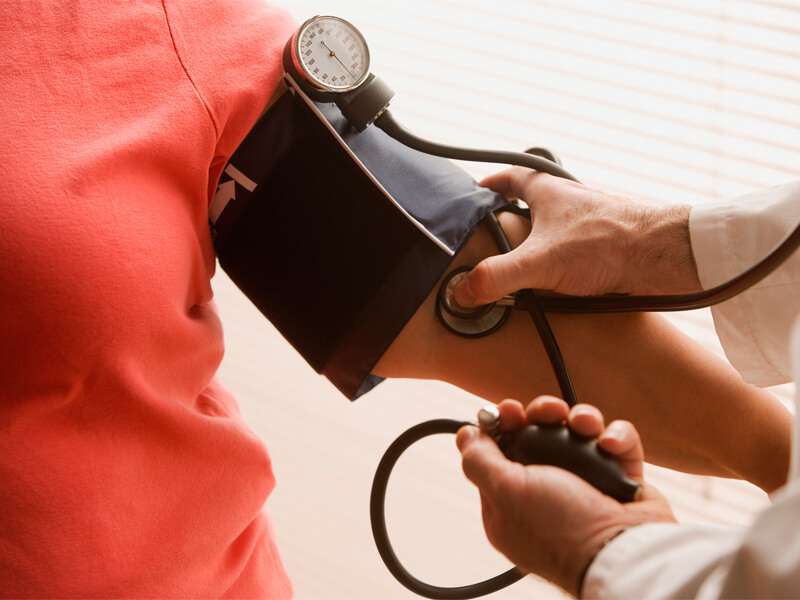
Hypertension, commonly known as high blood pressure, is a chronic condition that can lead to serious health complications if left unmanaged. It occurs when the force of blood against the artery walls is too high, which can strain the heart and damage blood vessels over time.
- Symptoms: Many individuals may not experience noticeable symptoms; however, severe hypertension can lead to headaches, shortness of breath, or nosebleeds.
- Causes: Factors include obesity, sedentary lifestyle, excessive salt intake, alcohol consumption, and genetic predisposition.
- Diagnosis: Blood pressure is measured using a sphygmomanometer. A healthcare provider may perform multiple readings for an accurate diagnosis.
- Treatment Options: Management includes lifestyle modifications like diet and exercise and medications such as diuretics or ACE inhibitors.
- What to Expect: Regular monitoring and follow-up appointments are essential to adjust treatment plans effectively and ensure proper control of blood pressure levels.
Managing hypertension is crucial in preventing more severe health issues like heart disease or stroke. Effective treatment plans are tailored to each individual’s needs.