Dr M L Gupta Clin
About Me
Dr M L Gupta Clin
MD
Pulmonologist
10 Years Experience
Biography
My Clinic
OPD Hours
| Monday | Morning | 10:00 AM | - | 02:00 PM |
| Evening | 06:00 PM | - | 09:00 PM | |
| Tuesday | Morning | 10:00 AM | - | 02:00 PM |
| Evening | 06:00 PM | - | 09:00 PM | |
| Wednesday | Morning | 10:00 AM | - | 02:00 PM |
| Evening | 06:00 PM | - | 09:00 PM | |
| Thursday | Morning | 10:00 AM | - | 02:00 PM |
| Evening | 06:00 PM | - | 09:00 PM | |
| Friday | Morning | 10:00 AM | - | 02:00 PM |
| Evening | 06:00 PM | - | 09:00 PM | |
| Saturday | Morning | 10:00 AM | - | 02:00 PM |
| Evening | 06:00 PM | - | 09:00 PM | |
| Sunday | Morning | 10:00 AM | - | 02:00 PM |
| Evening | 06:00 PM | - | 09:00 PM |
Treatments
Specialised care and treatments offered
VACCINATION & CHECK-UP
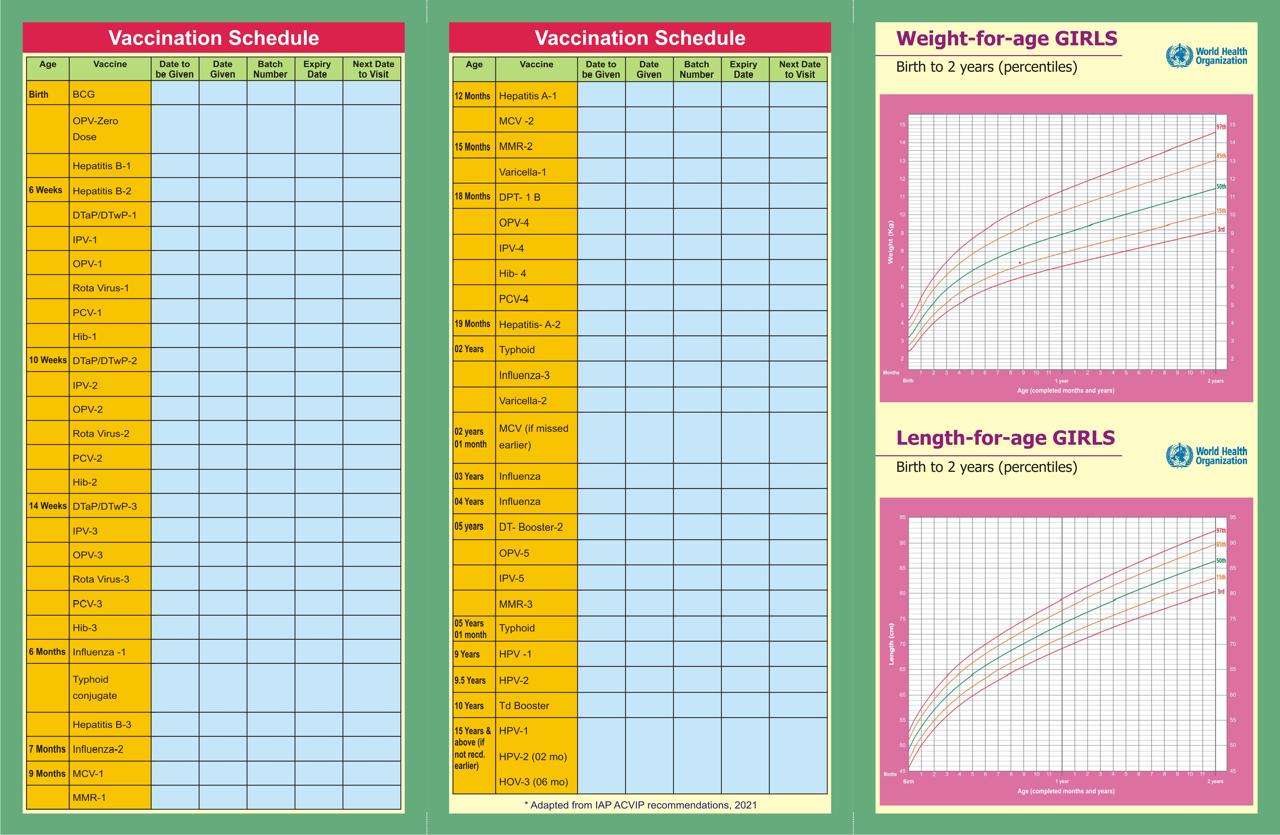
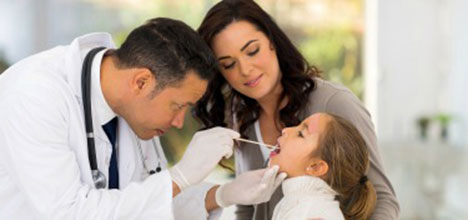
Vaccinations and regular check-ups are essential parts of pediatric care, protecting children from serious illnesses and ensuring healthy development. Pediatricians follow immunization schedules to provide timely protection against diseases like measles, polio, and whooping cough. Routine check-ups allow for monitoring of growth, development, and early detection of potential health issues. These visits also give parents an opportunity to discuss nutrition, behavior, sleep, and safety. Through vaccinations and consistent medical evaluations, pediatricians help build a strong foundation for lifelong health and well-being. Preventive care not only keeps children safe but also supports their physical and emotional development.
INFECTIOUS DISEASES
Expertise in managing acute respiratory infections, pneumonia, bronchiolitis, typhoid fever, urinary infection, diarrhoea, fungal skin infections, sepsis/ blood infection, viral infections like chicken pox, measles, viral hepatitis, mumps, child with rash etc
GROWTH AND DEVELOPMENT
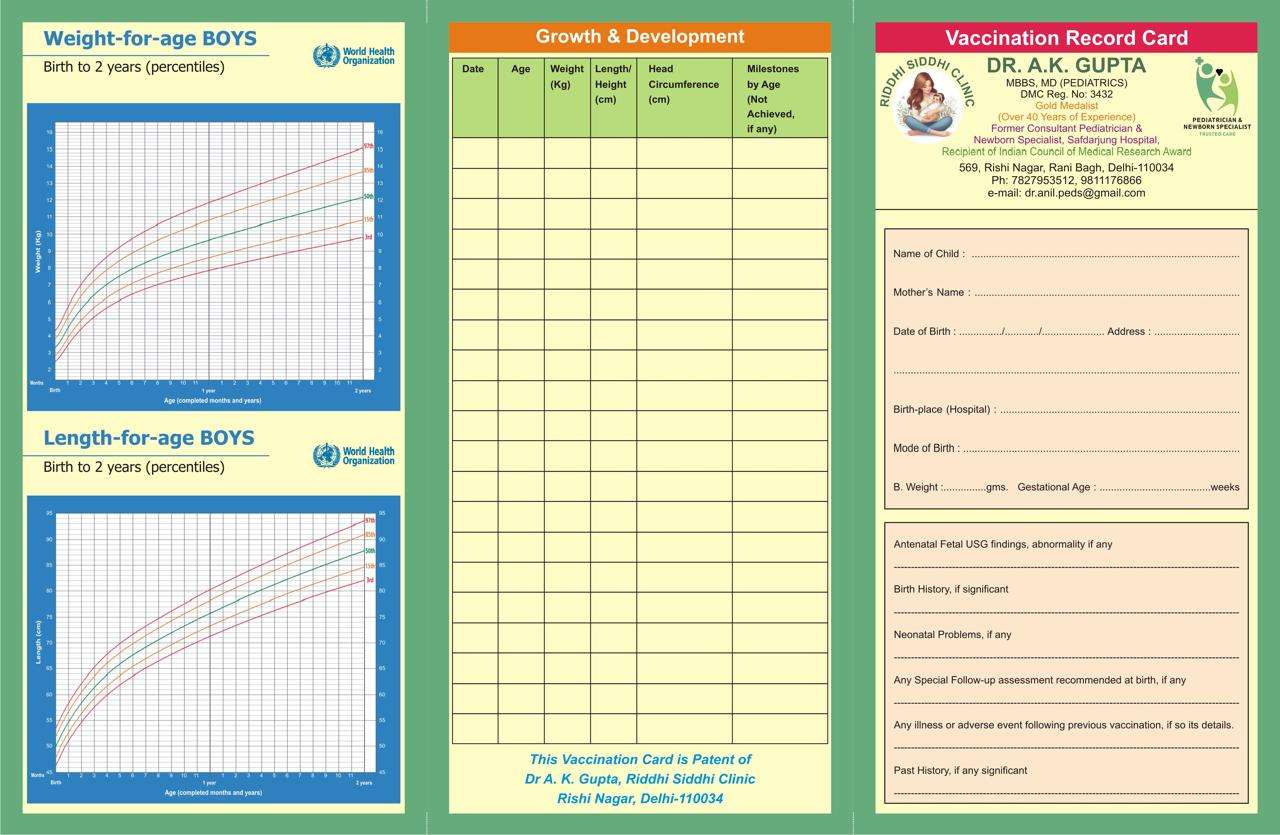
Growth and development are key indicators of a child's overall health and well-being. For pediatricians, monitoring these aspects involves assessing physical milestones such as height, weight, and head circumference, as well as developmental progress in motor skills, language, cognition, and social interaction. Regular check-ups help identify any delays or concerns early, allowing for timely interventions. Growth charts, developmental screenings, and parental guidance are essential tools in this process. By supporting optimal growth and development, pediatricians play a vital role in ensuring children reach their full potential both physically and mentally. Early detection and holistic care are crucial for lifelong health.
GROWTH AND DEVELOPMENT
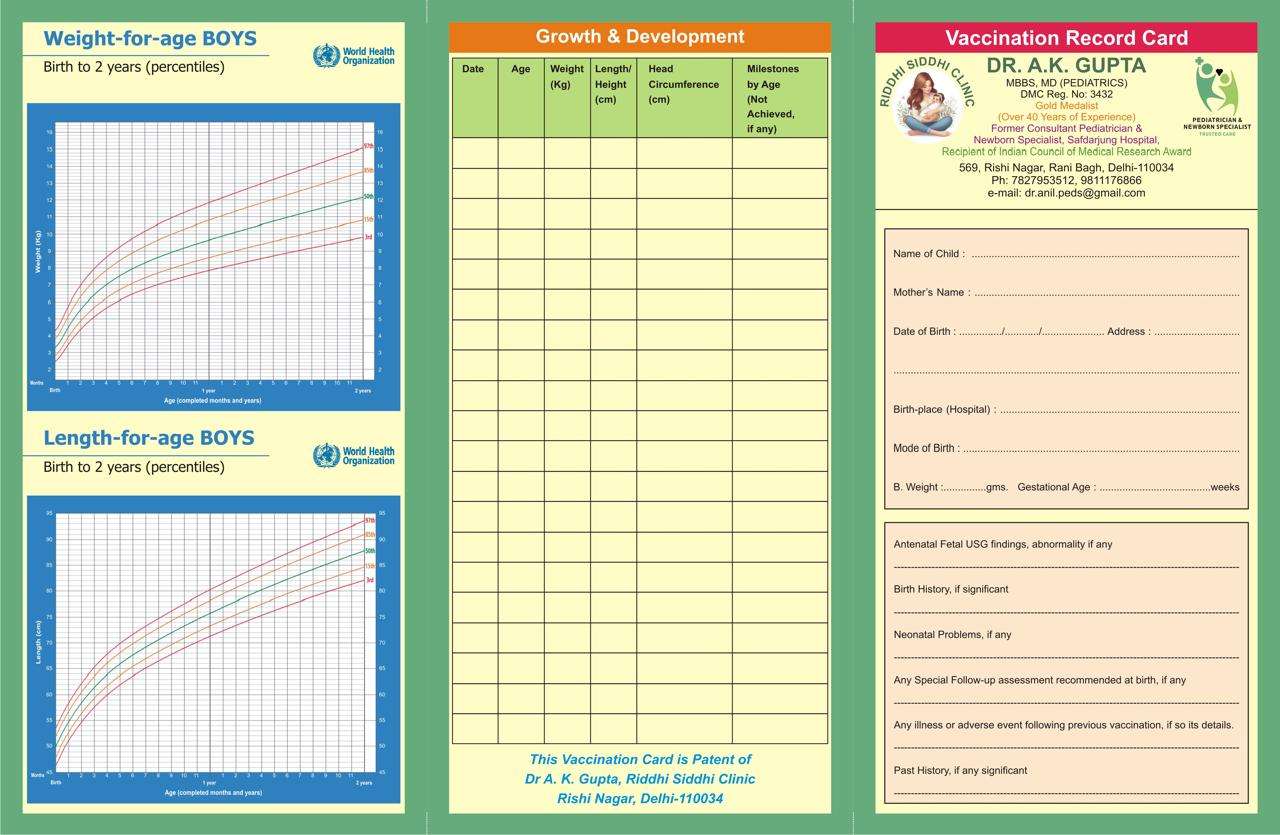
Growth and development are key indicators of a child's overall health and well-being. For pediatricians, monitoring these aspects involves assessing physical milestones such as height, weight, and head circumference, as well as developmental progress in motor skills, language, cognition, and social interaction. Regular check-ups help identify any delays or concerns early, allowing for timely interventions. Growth charts, developmental screenings, and parental guidance are essential tools in this process. By supporting optimal growth and development, pediatricians play a vital role in ensuring children reach their full potential both physically and mentally. Early detection and holistic care are crucial for lifelong health.
PRIMARY IMMUNODEFICIENCY DISORDERS

Primary Immunodeficiency Disorders (PIDDs) are a group of more than 400 rare, chronic genetic conditions in which the body's immune system does not function properly. These disorders are typically inherited and present from birth, although symptoms may not become apparent until later in life. PIDDs affect various components of the immune system, resulting in increased susceptibility to recurrent, severe, or unusual infections. In addition to infections, affected individuals may experience autoimmune diseases, chronic inflammation, allergies, and an increased risk of certain cancers. Common examples of primary immunodeficiency disorders include Selective IgA Deficiency, Common Variable Immunodeficiency (CVID), Severe Combined Immunodeficiency (SCID), Chronic Granulomatous Disease (CGD), and DiGeorge Syndrome. Diagnosis usually involves detailed clinical evaluation, immunological testing, measurement of antibody levels, assessment of immune cell function, and genetic testing. Treatment may include immunoglobulin replacement therapy, preventive antibiotics, infection management, immune-modulating therapies, and, in severe cases, hematopoietic stem cell (bone marrow) transplantation. Early diagnosis and appropriate medical care can significantly improve quality of life and long-term outcomes for individuals with primary immunodeficiency disorders.
BIOLOGICS

Biologic therapies are advanced medications derived from living organisms that are designed to target specific components of the immune system involved in allergic and inflammatory diseases. Unlike traditional medications that broadly suppress immune activity, biologics work by blocking particular molecules, cells, or pathways responsible for causing inflammation and allergic reactions. These therapies are commonly used in patients with moderate-to-severe conditions that do not respond adequately to conventional treatments. In the field of Allergy and Immunology, biologics are widely used for the management of severe allergic asthma, eosinophilic asthma, chronic rhinosinusitis with nasal polyps, atopic dermatitis (eczema), and chronic spontaneous urticaria (hives). Common biologic agents include Omalizumab, which targets Immunoglobulin E (IgE); Mepolizumab, Reslizumab, and Benralizumab, which reduce eosinophil levels; and Dupilumab, which blocks key inflammatory pathways involving interleukin-4 and interleukin-13. These targeted treatments can significantly improve symptom control, reduce disease flare-ups, decrease dependence on corticosteroids, and enhance quality of life. Although biologic therapies are highly effective for selected patients, they require careful evaluation and monitoring by an Allergist or Clinical Immunologist to ensure appropriate use, safety, and optimal treatment outcomes.
IMMUNOTHERAPY
Immunotherapy is an advanced treatment approach that harnesses and enhances the body's natural immune system to identify, target, and eliminate abnormal cells. In the field of Allergy and Immunology, immunotherapy primarily refers to treatments that modify the immune response to allergens, helping reduce sensitivity and providing long-term relief from allergic conditions. It is commonly used for allergic rhinitis, allergic asthma, insect venom allergies, and certain environmental allergies. Immunotherapy works by gradually exposing the immune system to controlled amounts of allergens, enabling the body to develop tolerance and reducing the severity of allergic reactions over time. Treatment may be administered through allergy shots (subcutaneous immunotherapy) or allergy tablets and drops (sublingual immunotherapy). In addition to allergy management, immunotherapy also plays an important role in treating certain immune-mediated and inflammatory conditions through targeted biological therapies. By addressing the underlying immune mechanisms rather than simply controlling symptoms, immunotherapy can provide long-lasting benefits, reduce medication dependence, improve quality of life, and help prevent the progression of allergic diseases. Treatment plans are individualized and carefully monitored by an Allergist or Clinical Immunologist to ensure safety and effectiveness.
SKIN DISEASES
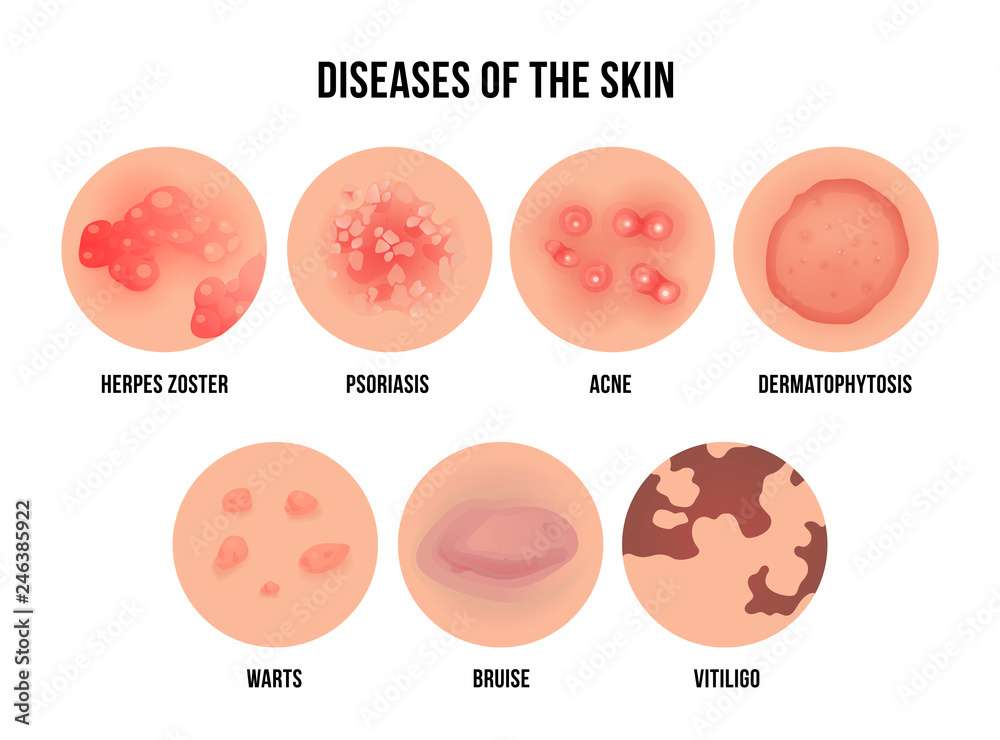
Skin diseases encompass a wide range of conditions that affect the skin, resulting in various symptoms and appearances. Some common skin diseases include:
- Acne: A common skin condition characterized by the formation of pimples, blackheads, and whiteheads on the face, chest, and back.
- Eczema: A chronic inflammatory condition that causes dry, itchy, and red patches on the skin.
- Psoriasis: A chronic autoimmune disease that causes red, scaly patches on the skin, often accompanied by itching or pain.
- Dermatitis: Inflammation of the skin that can be caused by various factors such as irritants, allergens, or genetic predisposition.
- Rosacea: A chronic skin condition characterized by facial redness, flushing, and sometimes pimples or visible blood vessels.
- Hives (Urticaria): Raised, itchy bumps on the skin that are often caused by an allergic reaction or exposure to certain triggers.
- Athlete's Foot: A fungal infection that affects the feet, causing itching, redness, and peeling of the skin.
- Ringworm: A fungal infection that forms a ring-shaped rash on the skin, often itchy and scaly.
- Impetigo: A highly contagious bacterial infection characterized by red sores that break open, ooze, and form a yellowish crust.
- Shingles: A viral infection caused by the reactivation of the varicella-zoster virus, resulting in a painful rash with fluid-filled blisters.
It's important to consult a dermatologist or healthcare professional for an accurate diagnosis and appropriate treatment for any skin condition.
CHILDHOOD DISEASES
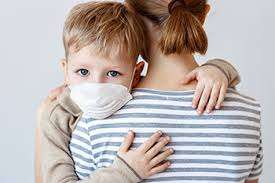
Childhood diseases refer to a wide range of illnesses that primarily affect children. Some common childhood diseases include:
- Chickenpox (Varicella): A highly contagious viral infection causing an itchy rash and fever.
- Measles: A viral infection characterized by fever, cough, runny nose, and a rash.
- Mumps: A viral infection causing swelling and pain in the salivary glands, leading to swollen cheeks and jaw.
- Rubella (German Measles): A viral infection causing a rash and fever, particularly dangerous for pregnant women.
- Whooping cough (Pertussis): A bacterial infection causing severe coughing spells, especially dangerous for infants.
- Hand, Foot, and Mouth Disease: A viral infection characterized by sores in the mouth, on the hands, and on the feet.
- Rotavirus: A highly contagious virus causing severe diarrhea, vomiting, and dehydration in infants and young children.
- Fifth Disease (Erythema infectiosum): A viral infection causing a distinctive rash on the face, cheeks, and body.
- Croup: A viral infection causing a barking cough and difficulty breathing.
- Roseola: A viral infection characterized by high fever followed by a rash.
It's important to note that diagnosing and treating specific diseases should be done by medical professionals. If you have concerns about a child's health, it's best to consult a healthcare provider.
WOMAN DISEASES
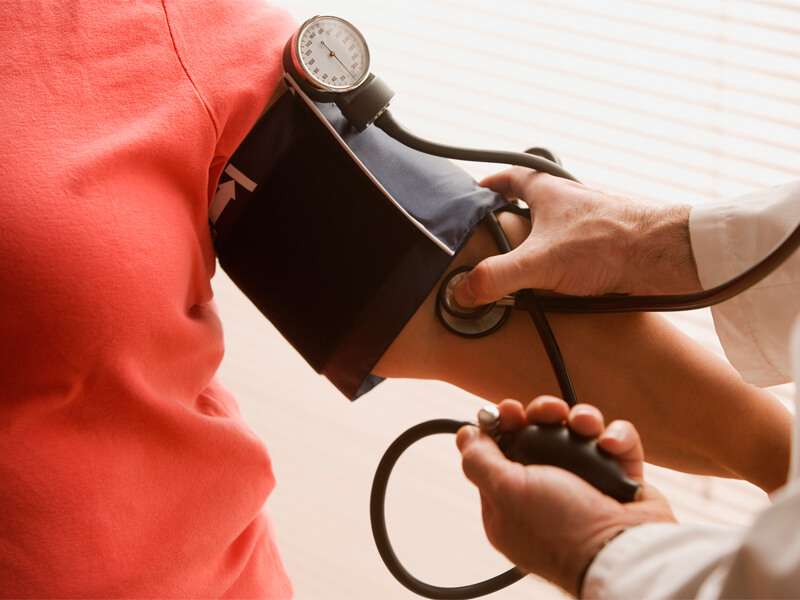
"Woman Disease" is a broad term that does not refer to a specific medical condition. Women can be affected by a variety of diseases and health conditions, some of which are unique to or more common in females. It's essential to address specific diseases or conditions to provide accurate information.
Here are some common health conditions that can affect women:
- Breast Cancer: A malignant tumor that develops in breast tissue, predominantly affecting women.
- Ovarian Cancer: Cancer that begins in the ovaries, the female reproductive organs responsible for producing eggs.
- Endometriosis: A condition where tissue similar to the lining of the uterus grows outside the uterus, causing pain and fertility problems.
- Polycystic Ovary Syndrome (PCOS): A hormonal disorder characterized by enlarged ovaries with cysts and hormonal imbalances, leading to irregular periods and other symptoms.
- Cervical Cancer: Cancer that develops in the cervix, the lower part of the uterus.
- Premenstrual Syndrome (PMS): A combination of physical and emotional symptoms that occur in the days leading up to menstruation.
- Urinary Tract Infections (UTIs): Infections in the urinary system, including the bladder and urethra, which can be more common in women.
- Osteoporosis: A condition characterized by a decrease in bone density, making bones more fragile and prone to fractures, which is more common in women, especially after menopause.
- Menopause: The natural process that occurs in women's lives, typically in their 40s or 50s when menstrual periods cease and hormone levels change.
- Pelvic Inflammatory Disease (PID): An infection of the female reproductive organs, usually caused by sexually transmitted bacteria.
It's important to note that these are just a few examples, and there are many more health conditions that can affect women. If you have concerns about your health, it's recommended to consult a healthcare professional for a proper diagnosis and treatment.
VACCINATION AND CHECK-UP
INFECTIOUS DISEASES

GASTRIC DISORDERS
PAIN MANAGEMENT
MIGRAINE

RESPIRATORY PROBLEMS
HEART PROBLEMS
HEART PROBLEMS

THYROID DISEASE
DIABETES MANAGEMENT

GROWTH AND NUTRITION

INFANT CARE

INFECTIOUS DISEASES

VACCINATION AND CHECKUP

SORE THROAT