
Dr M L Gupta
About Me
Dr M L Gupta
MBBS
General Physician
Biography
My Clinic
OPD Hours
| Monday | Morning | 10:00 AM | - | 02:00 PM |
| Evening | 06:00 PM | - | 09:00 PM | |
| Tuesday | Morning | 10:00 AM | - | 02:00 PM |
| Evening | 06:00 PM | - | 09:00 PM | |
| Wednesday | Morning | 10:00 AM | - | 02:00 PM |
| Evening | 06:00 PM | - | 09:00 PM | |
| Thursday | Morning | 10:00 AM | - | 02:00 PM |
| Evening | 06:00 PM | - | 09:00 PM | |
| Friday | Morning | 10:00 AM | - | 02:00 PM |
| Evening | 06:00 PM | - | 09:00 PM | |
| Saturday | Morning | 10:00 AM | - | 02:00 PM |
| Evening | 06:00 PM | - | 09:00 PM | |
| Sunday | Morning | 10:00 AM | - | 02:00 PM |
| Evening | 06:00 PM | - | 09:00 PM |
Treatments
Specialised care and treatments offered
ANEMIA
Anemia occurs when there are not enough healthy red blood cells to carry adequate oxygen throughout the body. This condition affects individuals across all age groups but can present unique challenges for different populations.
- Symptoms: Common manifestations include fatigue , weakness , pale skin , dizziness ,and irregular heartbeat depending on severity .
- Causes: Anemia may arise from nutritional deficiencies like iron deficiency anemia or from chronic diseases impacting red cell production .
- Diagnosis: Simple blood tests help indicate hemoglobin levels determining whether anemia exists .
- Treatment options: Treatment plans depend largely on underlying cause ; iron supplements or dietary adjustments might be suggested for mild cases while more severe cases could require additional interventions .
Identifying type specifically will ensure appropriate approaches leading ultimately towards restoration optimal health status concerning individual patient needs .
GASTROESOPHAGEAL REFLUX DISEASE (GERD)

GERD is a chronic digestive disorder where stomach acid frequently flows back into the esophagus causing irritation. This condition can lead to more severe issues if left untreated over time.
- Symptoms: Common symptoms include persistent heartburn, regurgitation of food or sour liquid, difficulty swallowing, and chest pain that might mimic heart conditions. Causes:The condition often arises from weak lower esophageal sphincter muscles that allow acid reflux to occur regularly after eating or lying down.
- Diagnosis: Physicians commonly use endoscopy or pH monitoring tests to confirm GERD diagnosis based on symptoms described.
- Treatment: Management includes lifestyle modifications such as dietary changes along with medications like proton pump inhibitors for symptom relief.
With consistent management practices put into place for GERD patients experience fewer symptoms improving their overall quality of life considerably.
HYPOTHYROIDISM

Hypothyroidism is a condition where the thyroid gland does not produce enough thyroid hormones. This deficiency can slow down metabolic processes within the body affecting energy levels and overall well-being.
- Symptoms: Patients may experience fatigue, weight gain, sensitivity to cold temperatures, dry skin, and hair loss among other signs.
- Diagnosis: Blood tests measuring thyroid-stimulating hormone (TSH) levels confirm hypothyroidism when TSH levels are elevated while thyroxine levels are low.
- Treatment options: Hormone replacement therapy using synthetic thyroid hormone is the primary treatment aimed at normalizing hormone levels in the body.
If properly managed through medication and regular monitoring by healthcare professionals, individuals with hypothyroidism can maintain an active lifestyle with few restrictions on daily activities.
ASTHMA
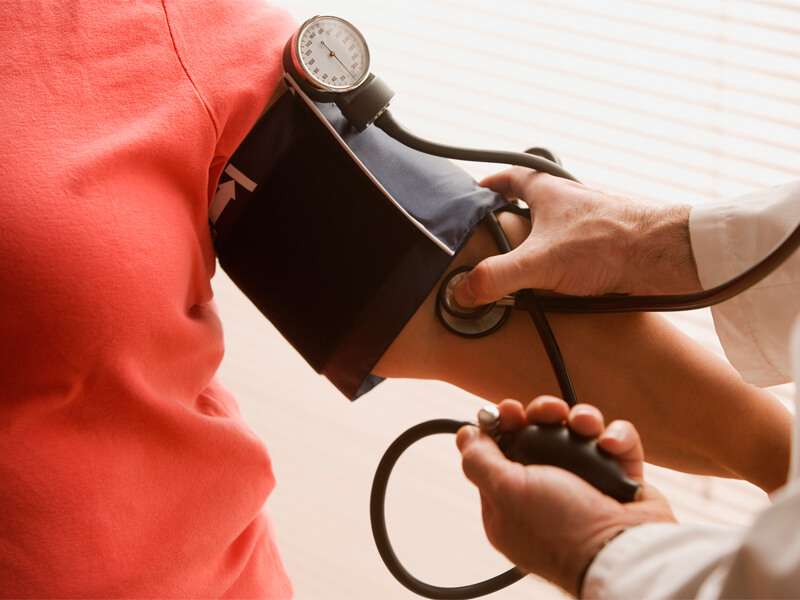
Asthma is a chronic respiratory condition that causes inflammation and narrowing of the airways. It can affect both children and adults significantly impacting daily activities.
- Symptoms: Common symptoms include wheezing, coughing, chest tightness, and shortness of breath which may worsen at night or during physical activity.
- Causes: Triggers such as allergens (like dust mites), environmental pollutants, or respiratory infections can provoke asthma attacks.
- Diagnosis: A healthcare provider may perform lung function tests or review medical history for accurate diagnosis.
- Treatment options: While there is no cure for asthma, medications including inhalers (bronchodilators) help manage symptoms effectively. Avoiding triggers also plays a key role in control.
With proper management strategies in place, individuals with asthma can lead normal lives without limitations on their activities.
DIABETES MELLITUS

Diabetes mellitus is a chronic condition characterized by elevated levels of glucose in the blood. This disease can affect various aspects of health and often requires lifelong management.
- Causes: There are different types of diabetes; Type 1 is usually hereditary while Type 2 often occurs due to lifestyle factors like poor diet and lack of physical activity.
- Symptoms: Common signs include increased thirst, frequent urination, fatigue, and blurred vision.
- Diagnosis: Blood tests that measure glucose levels aid in diagnosing diabetes, with fasting blood sugar tests being one common method.
- Treatment: Management may include dietary changes, regular exercise, glucose monitoring, and insulin therapy if required.
A comprehensive approach to diabetes management can greatly enhance quality of life and reduce risks of complications.
HYPERTENSION
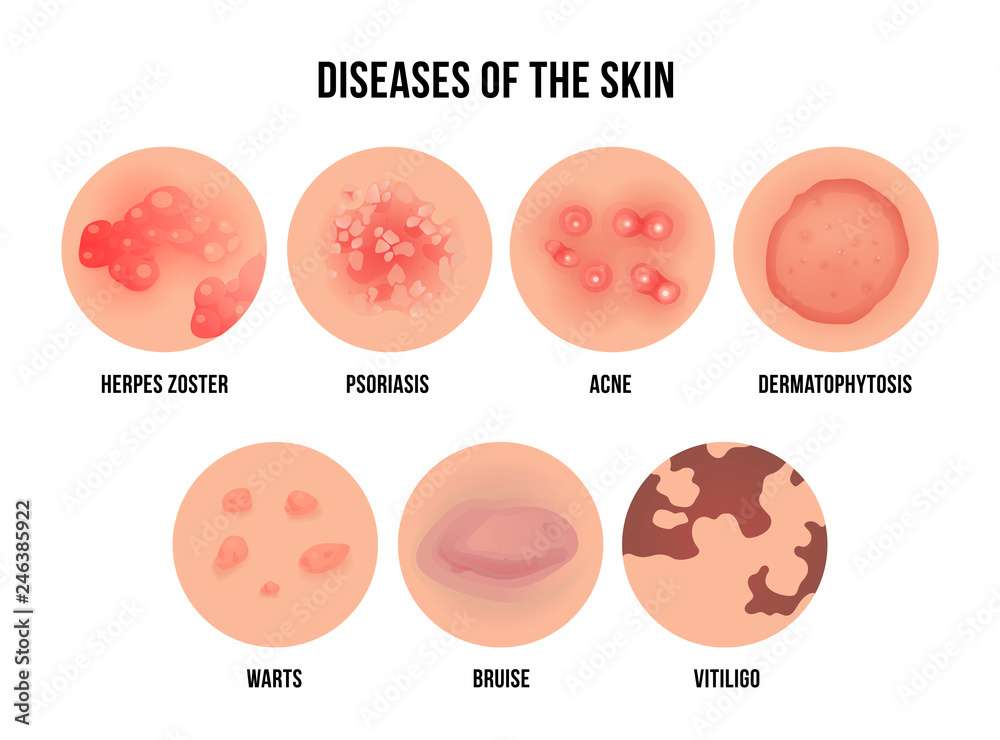
Hypertension, commonly known as high blood pressure, is a condition that affects individuals of all ages. Left untreated, it can lead to serious health complications such as heart disease and stroke.
- Symptoms: Often referred to as a 'silent killer', hypertension typically has no obvious symptoms. Some individuals may experience headaches, shortness of breath, or nosebleeds.
- Diagnosis: It is generally diagnosed during routine check-ups through blood pressure measurements using a sphygmomanometer.
- Treatment options: Lifestyle changes such as diet modification and regular exercise are crucial. In some cases, medications like diuretics or ACE inhibitors may be prescribed.
- Management: Regular monitoring of blood pressure at home can help in managing the condition effectively.
Managing hypertension is vital for maintaining overall health and preventing future complications.