
Dr M M Bhojak
About Me
Dr M M Bhojak
MBBS
Therapist
10 Years Experience
Biography
My Clinic
OPD Hours
| Monday | Morning | 10:00 AM | - | 02:00 PM |
| Evening | 06:00 PM | - | 09:00 PM | |
| Tuesday | Morning | 10:00 AM | - | 02:00 PM |
| Evening | 06:00 PM | - | 09:00 PM | |
| Wednesday | Morning | 10:00 AM | - | 02:00 PM |
| Evening | 06:00 PM | - | 09:00 PM | |
| Thursday | Morning | 10:00 AM | - | 02:00 PM |
| Evening | 06:00 PM | - | 09:00 PM | |
| Friday | Morning | 10:00 AM | - | 02:00 PM |
| Evening | 06:00 PM | - | 09:00 PM | |
| Saturday | Morning | 10:00 AM | - | 02:00 PM |
| Evening | 06:00 PM | - | 09:00 PM | |
| Sunday | Morning | 10:00 AM | - | 02:00 PM |
| Evening | 06:00 PM | - | 09:00 PM |
Treatments
Specialised care and treatments offered
SLEEP DISORDER THERAPY
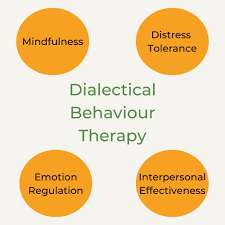
Poor sleep quality affects mental well-being extensively; specialized therapy addresses underlying behavioral patterns disrupting restorative sleep cycles.
- Common issues addressed: Insomnia , circadian rhythm disruptions , difficulty falling asleep or staying asleep .
- Diagnostic approach: Sleep histories detailed along with potential use of sleep diaries or questionnaires identify problematic habits .
- Therapeutic techniques: Cognitive Behavioral Therapy for Insomnia (CBT-I), sleep hygiene education , stimulus control methods encourage healthy routines .
- Treatment expectations: Gradual improvement in sleep onset latency , increased total sleep time , reduced daytime fatigue over weeks .
ANXIETY DISORDER COUNSELING
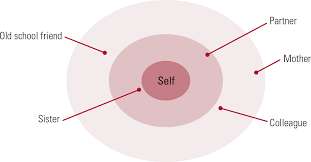
Anxiety disorders encompass various conditions characterized by excessive worry interfering with everyday tasks; counseling offers ways to manage these symptoms effectively.
- Symptoms & triggers: Persistent nervousness, panic attacks , avoidance behaviors , sometimes linked with specific phobias or generalized anxiety disorder .
- Assessment tools: Structured interviews complemented by anxiety scales help determine severity and subtype .
- Intervention strategies: Techniques include psychoeducation about anxiety , exposure therapy , breathing exercises , cognitive restructuring .
- Course of treatment: Can range from brief focused sessions to longer-term therapy based on individual response .
Effective counseling improves symptom control , reduces functional impairment , fostering confidence in facing previously feared situations .
DEPRESSION PSYCHOTHERAPY
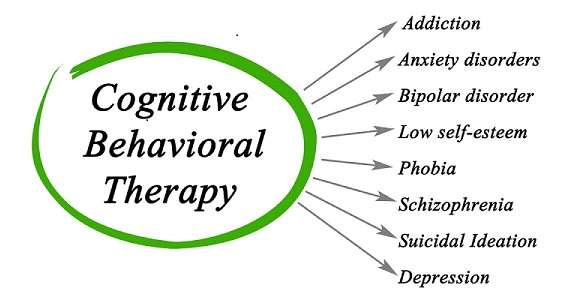
Treating depression often involves tailored psychotherapy aimed at alleviating sadness, hopelessness, and low motivation impacting daily functioning.
- Causative factors: Depression may result from biological imbalances, stressful events, or combination of both influencing mood regulation systems in the brain.
- Diagnostic criteria: A clinical interview assessing symptom duration, intensity, and impact on social/work life confirms diagnosis per standardized guidelines.
- Therapeutic approaches: Includes supportive counseling alongside evidence-based therapies like CBT or interpersonal therapy targeting specific depressive symptoms
CHRONIC PAIN PSYCHOLOGICAL SUPPORT
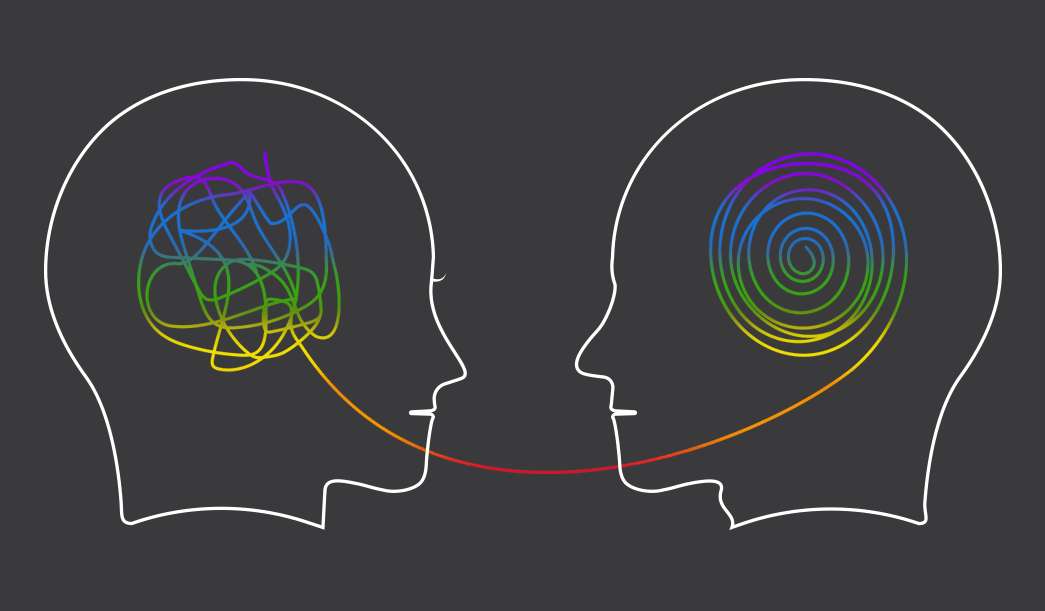
Pain that persists beyond normal healing times can significantly affect mental health; psychological support addresses this complex interaction between mind and body.
- Symptoms & causes: Chronic pain may stem from conditions like arthritis or neuropathies causing persistent discomfort interfering with daily activities.
- Evaluation process: Detailed history taking along with psychological assessment identifies factors such as anxiety or depression that exacerbate pain perception.
- Treatment methods: Techniques include cognitive restructuring to change pain-related thoughts, relaxation training, and behavioral activation to increase engagement in enjoyable activities.
- The therapeutic aim: To reduce emotional distress related to pain while improving coping mechanisms for better functional outcomes.
This holistic approach helps individuals regain control over their lives despite ongoing physical challenges through targeted psychological interventions.
STRESS MANAGEMENT COUNSELING
Stress management counseling helps individuals understand their stress triggers and develop effective techniques to reduce its impact on daily life.
- Causes: Stress can arise from work pressures, personal relationships, or major life changes affecting physical and mental health.
- Assessment: Therapists assess stress levels through self-reports, questionnaires, and discussions about lifestyle factors.
- Techniques included: Methods such as relaxation exercises, time management skills, mindfulness practices, and cognitive reframing are common.
- Treatment duration: Sessions may be brief or ongoing depending on the individual's needs and severity of stress symptoms.
The goal is to equip patients with personalized strategies that promote resilience and improve overall quality of life despite challenging circumstances.
COGNITIVE BEHAVIORAL THERAPY (CBT)
Cognitive Behavioral Therapy (CBT) is a structured, evidence-based approach designed to treat a variety of mental health conditions by modifying negative thought patterns.
- Symptoms and causes: Often used for depression, anxiety disorders, and stress-related issues where distorted thinking affects mood and behavior.
- Diagnosis: Evaluation typically involves clinical interviews and psychological assessments to identify maladaptive thoughts influencing emotional distress.
- Treatment approach: CBT sessions focus on identifying negative beliefs, challenging unhelpful thoughts, and developing healthier coping strategies.
- Management: Usually short to medium term, with homework tasks between sessions to reinforce learning.
- Outcomes: Patients can expect improved emotional regulation and problem-solving skills over time.
This therapy empowers individuals by providing practical tools to manage their symptoms actively, promoting long-lasting mental wellness.