
Dr M M GognaM
About Me
Dr M M GognaM
MD
Cardiologist
Biography
My Clinic
OPD Hours
| Monday | Morning | 10:00 AM | - | 02:00 PM |
| Evening | 06:00 PM | - | 09:00 PM | |
| Tuesday | Morning | 10:00 AM | - | 02:00 PM |
| Evening | 06:00 PM | - | 09:00 PM | |
| Wednesday | Morning | 10:00 AM | - | 02:00 PM |
| Evening | 06:00 PM | - | 09:00 PM | |
| Thursday | Morning | 10:00 AM | - | 02:00 PM |
| Evening | 06:00 PM | - | 09:00 PM | |
| Friday | Morning | 10:00 AM | - | 02:00 PM |
| Evening | 06:00 PM | - | 09:00 PM | |
| Saturday | Morning | 10:00 AM | - | 02:00 PM |
| Evening | 06:00 PM | - | 09:00 PM | |
| Sunday | Morning | 10:00 AM | - | 02:00 PM |
| Evening | 06:00 PM | - | 09:00 PM |
Treatments
Specialised care and treatments offered
CARDIAC MRI

A Cordiac MRI, provides detailed images of both static structures and cardiovascular functions utilizing magnetic fields and radio waves—especially helpful when echocardiograms yield inconclusive results about certain conditions affecting myocardium health over time.
- Symptoms/Causes: Please seek this advanced imaging technique if diagnosed previously with myocardial infarction/ischemia symptoms might persist despite myocardial perfusion studies suggesting otherwise.
- Diagnosis: This current investigation usually entails lying still within an enclosed space while sequences image various view angles resulting high-resolution visuals legible during comprehensive analysis later-on by specialists seeing what lies beyond trouble areas undetectable other ways currently out there. < li chai =
CORONARY ANGIOGRAPHY
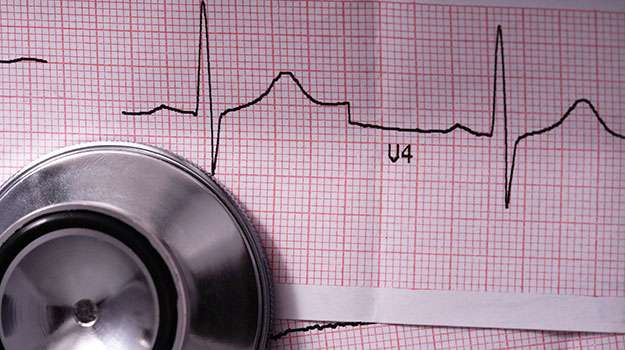
A coronary angiography, also known as cardiac catheterization, allows doctors to visualize blood flow through the coronary arteries using contrast dye and X-ray imaging. This critical procedure aids in diagnosing blockages that could lead to serious cardiac events.
- Symptoms/Causes: Patients exhibiting symptoms like angina (chest pain) or those who have risk factors for coronary artery disease typically undergo this assessment.
- Diagnosis: The process involves inserting a catheter into a major artery leading directly to the heart which then delivers contrast material visible via X-ray imaging.
- Treatment Management: If blockages are discovered during angiography, immediate intervention such as balloon angioplasty or stenting can be performed if warranted.
- What to Expect: The entire procedure lasts approximately one hour with most patients being discharged within hours post-procedure after brief observation. Risks include bleeding at catheter sites but serious complications remain rare.
Your healthcare team will discuss all findings following angiography so you fully understand your condition before any additional treatments commence.
ELECTROPHYSIOLOGY STUDY (EPS)
An electrophysiology study (EPS), involves monitoring electrical signals of the heart using catheters inserted into major blood vessels. This procedure provides crucial information for diagnosing complex arrhythmias accurately.
- Symptoms/Causes: Patients who frequently experience abnormal heart rhythms may require this detailed evaluation for effective diagnosis and treatment planning.
- Diagnosis:The study helps in pinpointing the exact origin of arrhythmia within the heart chambers through controlled stimulation of electrical pathways.
- Treatment Management: Results typically help in deciding whether medications are sufficient or if procedures like catheter ablation are necessary for treating arrhythmias effectively.
- What to Expect: The EPS is usually performed under local anesthesia with sedation options available. Afterward, patients can expect some monitoring before discharge.
The electrophysiologist will review findings promptly and suggest tailored interventions based on individual patient needs.
HOLTER MONITOR
A Holter monitor is a portable ECG device that continuously records your heart's rhythm for 24-48 hours. This device is vital in diagnosing various arrhythmias that may not be detected during a standard examination.
- Symptoms/Causes: It’s primarily used if you experience irregular heartbeats, palpitations, or unexplained dizziness.
- Diagnosis: Patients wear the monitor while going about their daily activities, allowing for comprehensive data collection over time.
- Treatment Management: After reviewing the recorded data, doctors can recommend further testing or treatment options tailored to any abnormalities detected.
- What to Expect: The monitor is lightweight and unobtrusive; however, it requires adherence to instructions regarding physical activities and bathing during monitoring periods.
Your healthcare team will interpret the data collected from your Holter monitor and guide you on any subsequent steps needed for management or treatment of identified issues.
STRESS TEST
A stress test, also known as an exercise test or treadmill test, assesses how well your heart works during physical activity. It's commonly used to help identify coronary artery disease and evaluate heart health.
- Symptoms/Causes: Patients experiencing unexplained fatigue or chest discomfort during exertion often undergo this test.
- Diagnosis: This test typically involves walking on a treadmill while your heart rate and blood pressure are monitored closely.
- Treatment Management: Results can lead to recommendations such as lifestyle modifications, medications, or potential interventions based on stress responses observed during the test.
- What to Expect: You may feel tired during the process; however, it's closely supervised and designed to minimize risk.
Your doctor will review your results in detail to determine any necessary follow-up actions based on your cardiovascular health status.
ECHOCARDIOGRAM
An echocardiogram is an essential diagnostic tool used to visualize the heart's structure and function using ultrasound technology. This non-invasive procedure helps detect various cardiac conditions by providing real-time images of the heart.
- Symptoms/Causes: It is often recommended for patients experiencing symptoms such as chest pain, shortness of breath, or abnormal heartbeats.
- Diagnosis: Echocardiograms are performed in a hospital or outpatient setting, where electrodes are placed on the patient's chest to monitor heart activity.
- Treatment Management: Depending on the findings, further tests or treatments such as medication, lifestyle changes, or more invasive procedures may be suggested.
- What to Expect: The procedure generally lasts between 30-60 minutes, and there are no known risks associated with it.
After the test, your healthcare provider will discuss the results and any necessary next steps to ensure you receive appropriate care.