
Dr M S Shekhawat
About Me
Dr M S Shekhawat
MS
Orthopaedic Surgeons
10 Years Experience
Biography
My Clinic
OPD Hours
| Monday | Morning | 10:00 AM | - | 02:00 PM |
| Evening | 06:00 PM | - | 09:00 PM | |
| Tuesday | Morning | 10:00 AM | - | 02:00 PM |
| Evening | 06:00 PM | - | 09:00 PM | |
| Wednesday | Morning | 10:00 AM | - | 02:00 PM |
| Evening | 06:00 PM | - | 09:00 PM | |
| Thursday | Morning | 10:00 AM | - | 02:00 PM |
| Evening | 06:00 PM | - | 09:00 PM | |
| Friday | Morning | 10:00 AM | - | 02:00 PM |
| Evening | 06:00 PM | - | 09:00 PM | |
| Saturday | Morning | 10:00 AM | - | 02:00 PM |
| Evening | 06:00 PM | - | 09:00 PM | |
| Sunday | Morning | 10:00 AM | - | 02:00 PM |
| Evening | 06:00 PM | - | 09:00 PM |
Treatments
Specialised care and treatments offered
SHOULDER IMPINGEMENT SYNDROME TREATMENT
This condition occurs when tendons of the rotator cuff become irritated due to compression against bony structures surrounding them. Individuals often report shoulder pain especially during overhead reaching activities such as lifting items above head height which require immediate attention!
Occasionally leads limitations toward specific ranges while performing day-to-day tasks impacting quality overall life negatively! /Forms generally entail Rest/cold-packs usage alternatively followed up later by corticosteroid injections if tolerable; however ongoing therapies also play critical part towards healing process relieving tension effectively!
SPINAL FUSION SURGERY
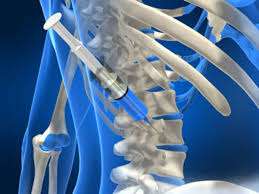
Spinal fusion surgery aims to join two or more vertebrae together permanently. This procedure helps reduce back pain by stabilizing areas affected by conditions such as degenerative disc disease or spondylolisthesis where vertebrae shift out of alignment.
- Candidates for Surgery: Patients experiencing chronic back pain not responding well to non-operative treatments may consider spinal fusion as an alternative solution for relief!
KNEE ARTHROSCOPY

Knee arthroscopy is a minimally invasive surgical procedure used to diagnose and treat various knee problems. It employs small incisions through which surgeons insert a camera and instruments to perform repairs directly within the joint space.
- Common Conditions Treated: Conditions like meniscus tears, cartilage damage, or loose bodies within the knee are frequent targets for this intervention.
- Diagnosis Process: Physicians review patient history and conduct examinations alongside imaging tests before recommending arthroscopy as a suitable option.
- Surgical Procedure Details: The arthroscopy allows real-time visualization on a monitor while surgical instruments address specific issues without major disruption to surrounding tissues.
- Aftercare Considerations: Recovery times vary based on individual circumstances but generally involve a structured rehabilitation program aiming at restoring knee functionality efficiently.
This procedure significantly minimizes recovery time compared to traditional open surgeries while offering substantial benefits in terms of quicker return-to-activity rates.
ROTATOR CUFF REPAIR

The rotator cuff is a group of muscles and tendons that stabilize the shoulder joint. Tears in this structure can lead to pain and restrict arm movement. Surgical repair may be necessary for significant injuries that hinder daily activities.
- Symptoms: Symptoms include shoulder pain, weakness when lifting objects, and limited range of motion during overhead activities.
- Diagnosis: A thorough evaluation will involve physical tests focused on shoulder movement along with imaging studies such as MRI or ultrasound to assess the tear's size and location.
- Surgical Options: Depending on tear severity, surgical techniques can vary from arthroscopic repairs to open surgery for larger tears, aiming to reattach torn tendons securely.
- Healing Time: Post-operative recovery usually takes several months during which physical rehabilitation is essential for restoring shoulder functionality.
A successful rotator cuff repair can help alleviate pain while enhancing strength in the affected shoulder.
TOTAL HIP REPLACEMENT

Total hip replacement is a procedure designed to relieve pain and improve function in patients suffering from hip joint conditions such as arthritis or severe fractures. This surgery replaces the damaged parts of the hip joint with artificial components.
- Indications: Patients typically experience chronic discomfort, reduced mobility, and stiffness in the hip joint before considering this option.
- Diagnosis: An assessment usually includes physical examinations along with X-rays or MRIs to evaluate the extent of hip damage.
- Surgical Procedure: The operation involves removing the damaged bone and cartilage before inserting the prosthetic components which mimic natural biomechanics.
- Recovery Process: Rehabilitation plays a vital role post-surgery; patients may need several weeks of physical therapy to regain strength and movement.
This procedure has proven highly effective for improving quality of life in those with debilitating hip issues.
ANTERIOR CRUCIATE LIGAMENT (ACL) SURGERY

Anterior Cruciate Ligament (ACL) injuries can significantly affect your knee stability and mobility. These injuries often occur during sports activities involving sudden stops or changes in direction.
- Symptoms: Common symptoms include knee swelling, pain, instability, and difficulty with movements.
- Diagnosis: To diagnose an ACL injury, healthcare providers typically utilize physical examinations and may also recommend imaging tests like MRIs for a detailed view.
- Treatment Options: Non-surgical methods such as physical therapy might be sufficient for those with mild injuries. However, surgical reconstruction is often recommended for severe cases to restore knee function.
- Post-Operative Care: Following surgery, rehabilitation through guided physical therapy is crucial for recovering strength and range of motion.
Early intervention and appropriate treatment are key to ensuring the best outcomes after an ACL injury.