
DR MAAN Allergy A
About Me
DR MAAN Allergy A
MBBS
General Physician
10 Years Experience
Biography
My Clinic
OPD Hours
| Monday | Morning | 10:00 AM | - | 02:00 PM |
| Evening | 06:00 PM | - | 09:00 PM | |
| Tuesday | Morning | 10:00 AM | - | 02:00 PM |
| Evening | 06:00 PM | - | 09:00 PM | |
| Wednesday | Morning | 10:00 AM | - | 02:00 PM |
| Evening | 06:00 PM | - | 09:00 PM | |
| Thursday | Morning | 10:00 AM | - | 02:00 PM |
| Evening | 06:00 PM | - | 09:00 PM | |
| Friday | Morning | 10:00 AM | - | 02:00 PM |
| Evening | 06:00 PM | - | 09:00 PM | |
| Saturday | Morning | 10:00 AM | - | 02:00 PM |
| Evening | 06:00 PM | - | 09:00 PM | |
| Sunday | Morning | 10:00 AM | - | 02:00 PM |
| Evening | 06:00 PM | - | 09:00 PM |
Treatments
Specialised care and treatments offered
OBESITY PREVENTION & MANAGEMENT
Obesity poses significant risks linked to various health conditions including diabetes type 2 cardiovascular disorders etc.. Preventive measures play essential roles fostering healthier lifestyles among those affected!
- [ Symptoms>. Weight gain beyond normal ranges/ BMI scores being higher than thirty alongside potential side effects from larger waist circumferences affecting mobility.Increases sleep apnea risks too! Causes.Causes might stem from sedentary habits brought on by modern conveniences plus heavier reliance upon fast food options instead healthy choices available around us today. Genetics also contributes influences thus necessitating awareness! Diagnosis.BMI calculations provide initial assessments helping guide further conversations surrounding treatment opportunities ahead before taking steps forward together through open dialogue.) Treatment Options.Lifestyle adjustments including dietary focus shifting away junk calories & exercises forming routines boost confidence build strength resilience ultimately leading change trajectories over time from inside-out instilling trust furthering goals pursued collectively throughout journey! What To Expect.Personalized plans mean varied approaches finding success matching individual preferences enduringly cultivating joy associated moving away harmful patterns reconnecting ourselves holistic perspectives paving path clearer tomorrow ahead">). Ends brings comfort feelings befitting transformations sought alongside encouraging support systems put forth restoring vigor embracing invigorating experiences ahead!
GASTROESOPHAGEAL REFLUX DISEASE (GERD) MANAGEMENT

Gastroesophageal reflux disease (GERD) occurs when stomach acid consistently flows back into the esophagus. This common condition requires effective management strategies for symptom relief and improved quality of life.
- [ Symptoms: Symptoms typically include persistent heartburn after meals or when lying down along with regurgitation of sour liquid.
Causes: Factors contributing may consist of obesity, certain foods like chocolate or caffeine consumption, smoking habits,and pregnancy.
Diagnosis: A healthcare professional will often utilize an endoscopy for direct examination combined with symptom history collection.
Treatment Options: Successful management generally entails lifestyle alterations such as weight loss if needed; dietary modifications avoiding triggering foods; antacids ;and other medications if necessary.
What To Expect: Individuals adopting these tips frequently see considerable reduction in episodes leading them towards healthier gut wellness overall.]<
Ongoing assessments ensure optimization while keeping discomfort at bay regularly!
ASTHMA MANAGEMENT

Asthma is a chronic respiratory condition that affects breathing. Understanding its triggers and effective management strategies can help individuals lead a more active life with fewer asthma attacks.
- Symptoms: Typical signs include wheezing, coughing especially at night or during exercise, shortness of breath, and chest tightness.
CHOLESTEROL MANAGEMENT
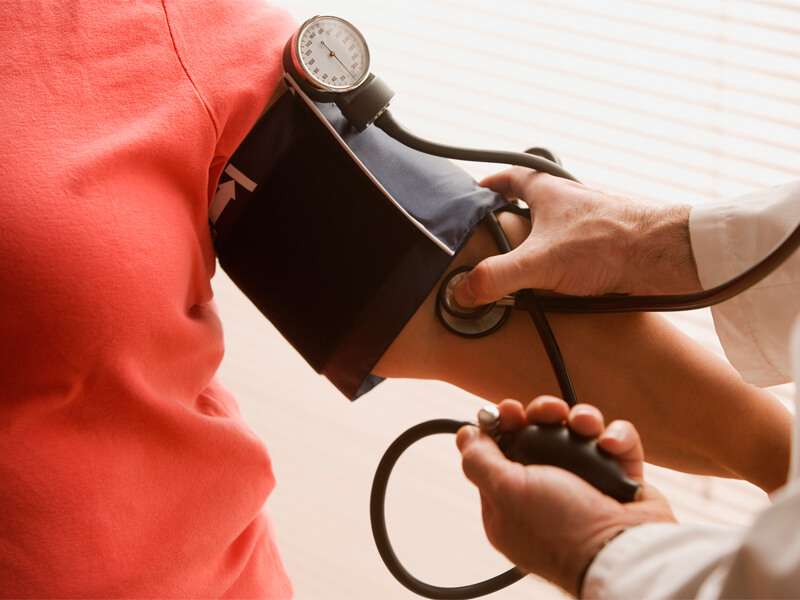
High cholesterol is a critical risk factor for cardiovascular diseases. Recognizing how to manage cholesterol levels can significantly improve heart health and reduce disease risk.
- Symptoms: There are often no overt symptoms; hence regular screening is essential for detection.
- Causes: Factors contributing to high cholesterol include unhealthy diets rich in saturated fats, lack of exercise, smoking, and hereditary genetics.
- Diagnosis: A lipid panel blood test measures cholesterol types including LDL (bad) and HDL (good) cholesterol levels.
- Treatment Options: Lifestyle modifications such as diet adjustments low in saturated fats combined with increased physical activity are first-line strategies. In some cases, medications like statins may be prescribed.
- What to Expect: With proper management techniques in place, improvements in cholesterol levels can often be observed within months.
A proactive approach towards managing cholesterol ensures long-term heart health without the need for invasive procedures.
DIABETES MELLITUS MANAGEMENT

Diabetes mellitus is a chronic condition characterized by elevated levels of glucose in the blood. Effective management is key to preventing complications and achieving a better quality of life.
- Symptoms: Common symptoms may include excessive thirst, frequent urination, fatigue, and blurred vision.
- Causes: Type 1 is typically autoimmune, while Type 2 relates more closely to lifestyle factors such as diet and inactivity.
- Diagnosis: Blood tests measuring glucose levels help in confirming diabetes status.
- Treatment Options: Strategies often include dietary changes, physical activity enhancements, glucose monitoring, and sometimes medications or insulin therapy.
- What to Expect: Commitment to a personalized management plan can substantially improve one's well-being and reduce the risk of complications over time.
A steady approach helps individuals navigate their condition effectively while enjoying a fulfilling life.
HYPERTENSION MANAGEMENT
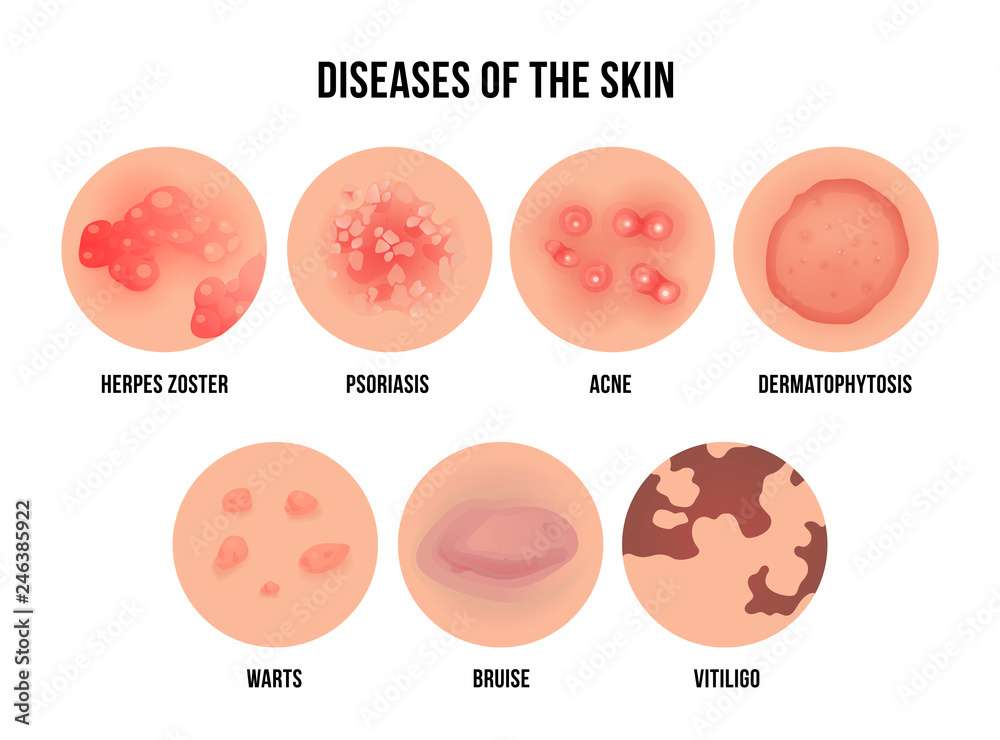
Hypertension, or high blood pressure, is a common condition that affects many individuals. It can lead to serious health issues if not managed properly. Understanding how to control hypertension is vital for maintaining overall health.
- Symptoms: Often referred to as a 'silent killer,' many people with hypertension experience no noticeable symptoms until complications arise.
- Causes: Factors may include genetics, poor diet, lack of physical activity, obesity, and stress.
- Diagnosis: Blood pressure readings are taken on multiple occasions to confirm sustained hypertension.
- Treatment Options: Management often includes lifestyle changes such as dietary modifications, regular physical exercise, and sometimes medication.
- What to Expect: With consistent management and lifestyle adjustments, many individuals can successfully maintain their blood pressure within normal ranges.
Regular monitoring and proactive changes can lead to significant improvements in overall health for those dealing with hypertension.