
Dr Madhav Upadhy
About Me
Dr Madhav Upadhy
MBBS
General Physician
10 Years Experience
Biography
My Clinic
OPD Hours
| Monday | Morning | 10:00 AM | - | 02:00 PM |
| Evening | 06:00 PM | - | 09:00 PM | |
| Tuesday | Morning | 10:00 AM | - | 02:00 PM |
| Evening | 06:00 PM | - | 09:00 PM | |
| Wednesday | Morning | 10:00 AM | - | 02:00 PM |
| Evening | 06:00 PM | - | 09:00 PM | |
| Thursday | Morning | 10:00 AM | - | 02:00 PM |
| Evening | 06:00 PM | - | 09:00 PM | |
| Friday | Morning | 10:00 AM | - | 02:00 PM |
| Evening | 06:00 PM | - | 09:00 PM | |
| Saturday | Morning | 10:00 AM | - | 02:00 PM |
| Evening | 06:00 PM | - | 09:00 PM | |
| Sunday | Morning | 10:00 AM | - | 02:00 PM |
| Evening | 06:00 PM | - | 09:00 PM |
Treatments
Specialised care and treatments offered
ROUTINE HEALTH CHECK-UPS
A routine health check-up serves as an essential preventative measure against unforeseen medical issues. During these assessments, various aspects of your health are evaluated to keep you informed about your well-being.
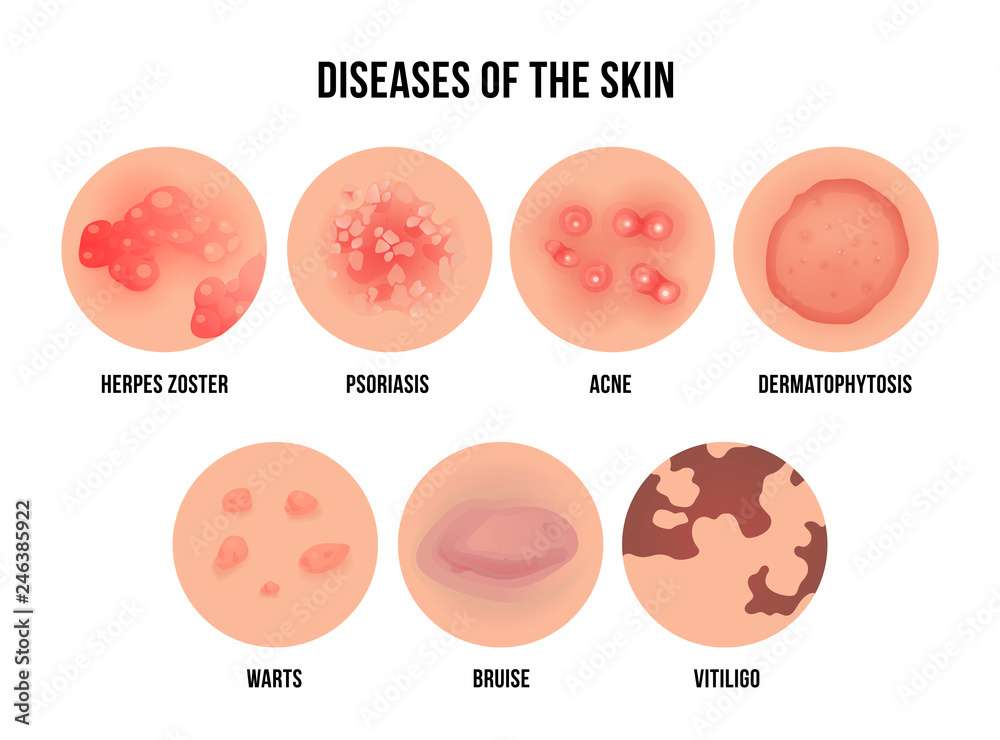
symptoms:diseaseINFECTIOUS DISEASE SCREENING

The need for infectious disease screening has become paramount in today's world due to global outbreaks. Timely detection ensures appropriate management strategies can be implemented swiftly.
- Symptoms: Signs vary widely depending on the infection but may include fever, fatigue, coughs, skin rashes, etc.
Proactive engagement addressing susceptibility empowers individuals safeguarding their health against potential infectious threats actively present within communities .
THYROID FUNCTION TESTS
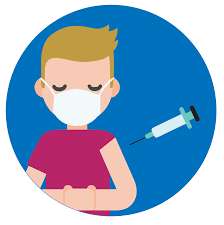
The thyroid gland plays an essential role in regulating metabolism through hormone production. Thyroid function tests are crucial for diagnosing thyroid disorders like hypothyroidism or hyperthyroidism.
- Symptoms: Hypothyroidism might present with fatigue and weight gain whereas hyperthyroidism may cause weight loss and anxiety symptoms among others!
- Causes: Autoimmune diseases such as Hashimoto's or Graves' disease often influence these disorders significantly .
- Diagnosis: Blood tests measuring TSH (Thyroid Stimulating Hormone) and other hormones determine thyroid function status accurately .
- Treatment options: Depending on the diagnosis , treatment could include hormone replacement therapy for hypothyroidism or anti-thyroid medications for hyperthyroidism .
- What to expect: Patients will require Regular monitoring through follow-up tests ensuring hormone levels remain balanced post-treatment .
Given the significance of thyroid health on overall well-being , timely evaluation can pave the way toward effective management .
CHOLESTEROL LEVEL ASSESSMENT
An assessment of cholesterol levels is vital for evaluating cardiovascular health. High cholesterol can lead to serious heart conditions if levels are not monitored effectively.
- Symptoms: High cholesterol typically does not exhibit signs; however, buildup in arteries could result in chest pain or heart attacks over time.
- Causes: Diet high in saturated fats, lack of exercise, and family history contribute significantly to elevated cholesterol levels.
- Diagnosis: A simple blood test known as a lipid panel reveals total cholesterol levels along with HDL (good) and LDL (bad) cholesterol measurements.
- Treatment options: Treatment includes lifestyle changes such as improved nutrition and physical activity; medications may be prescribed if lifestyle adjustments alone do not suffice.
- What to expect: Regular follow-up testing will help monitor progress and adjust treatment plans accordingly to achieve target cholesterol levels.
Your healthcare provider will offer guidance tailored specifically to individual needs for managing cholesterol effectively.
DIABETES SCREENING

Diabetes is a chronic condition that occurs when the body either does not produce enough insulin or cannot effectively use the insulin it produces. Early diagnosis is critical for effective management.
- Symptoms: Common signs include excessive thirst, frequent urination, fatigue, and blurred vision.
- Causes: Type 1 diabetes is often genetic, while Type 2 can be influenced by lifestyle factors such as obesity.
- Diagnosis: Blood tests measuring glucose levels are performed, with fasting plasma glucose tests being standard practice for screening.
- Treatment options: Management strategies may involve dietary changes, physical activity enhancements, oral medications, or insulin therapy based on the type of diabetes diagnosed.
- What to expect: Ongoing monitoring of blood sugar levels will be necessary to prevent any potential complications associated with diabetes.
A proactive approach in screening can help in early intervention and better health outcomes for those at risk of diabetes.
HYPERTENSION MANAGEMENT
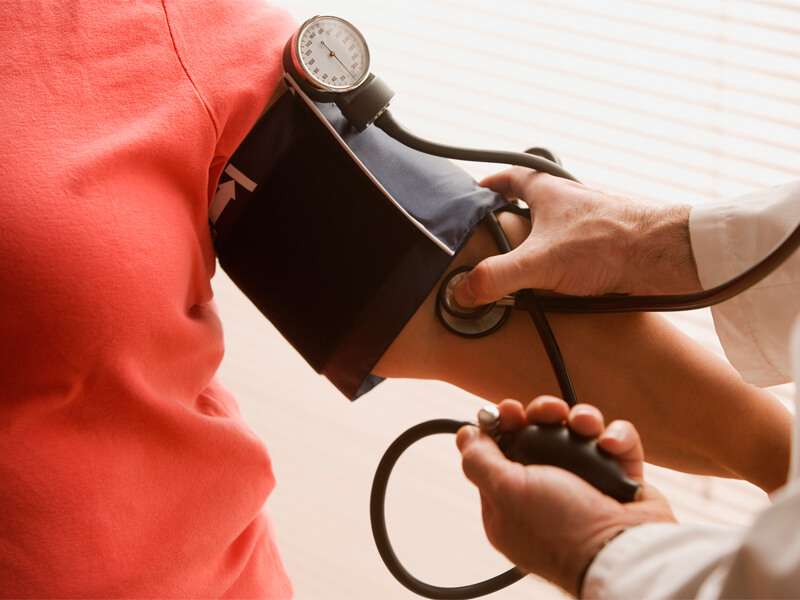
Hypertension, or high blood pressure, is a common condition that affects millions of people worldwide. It often develops gradually and can lead to serious health problems if not managed properly.
- Symptoms: Often, hypertension is termed the 'silent killer' as it may not present noticeable symptoms until complications arise.
- Causes: Contributing factors include genetics, poor diet, lack of exercise, and stress.
- Diagnosis: Blood pressure readings are taken using a sphygmomanometer during routine check-ups or when a patient presents with health concerns.
- Treatment options: Management includes lifestyle changes such as diet improvements and increased physical activity, alongside possible medication prescribed by your physician.
- What to expect: Regular monitoring is essential to maintain healthy blood pressure levels and prevent long-term complications such as heart disease or stroke.
Effective management of hypertension involves collaboration between patients and healthcare providers to ensure optimal outcomes.