
Dr Madhu GoyalM
About Me
Dr Madhu GoyalM
MS
Otolaryngologist
10 Years Experience
Biography
My Clinic
OPD Hours
| Monday | Morning | 10:00 AM | - | 02:00 PM |
| Evening | 06:00 PM | - | 09:00 PM | |
| Tuesday | Morning | 10:00 AM | - | 02:00 PM |
| Evening | 06:00 PM | - | 09:00 PM | |
| Wednesday | Morning | 10:00 AM | - | 02:00 PM |
| Evening | 06:00 PM | - | 09:00 PM | |
| Thursday | Morning | 10:00 AM | - | 02:00 PM |
| Evening | 06:00 PM | - | 09:00 PM | |
| Friday | Morning | 10:00 AM | - | 02:00 PM |
| Evening | 06:00 PM | - | 09:00 PM | |
| Saturday | Morning | 10:00 AM | - | 02:00 PM |
| Evening | 06:00 PM | - | 09:00 PM | |
| Sunday | Morning | 10:00 AM | - | 02:00 PM |
| Evening | 06:00 PM | - | 09:00 PM |
Treatments
Specialised care and treatments offered
ALLERGY TESTING AND IMMUNOTHERAPY
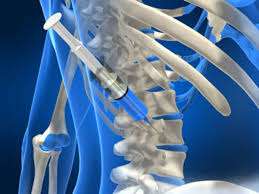
Nasal allergies often exacerbate respiratory symptoms including sneezing, congestion, runny nose, and itchy eyes. Allergy testing followed by immunotherapy can help manage these conditions long term effectively.
IN-OFFICE TYMPANOSTOMY TUBE PLACEMENT

Tympanostomy tubes aid children and adults who suffer from recurrent middle ear infections or persistent fluid buildup causing hearing loss. In-office placement by an ear specialist avoids hospital stays in appropriate cases.
- Symptoms/Causes: Frequent ear infections accompanied by pain, hearing issues, or persistent middle ear effusion with risk of complications if untreated.
- Diagnosis:
OFFICE-BASED NASAL SEPTOPLASTY

A deviated nasal septum can contribute to breathing difficulties and chronic nasal congestion. Office-based septoplasty provides correction for select patients without needing hospital admission.
- Symptoms/Causes: Nasal obstruction on one side, frequent nosebleeds, or recurrent sinus infections may indicate septal deviation impacting airflow.
- Diagnosis: Physical examination via nasal endoscopy identifies the degree and location of deviation affecting nasal passages.
- Treatment/Management: Performed using local anesthesia in an outpatient setting; surgeons reshape the cartilage/bone causing obstruction through small incisions inside the nose.
- What to Expect: Patients typically experience minimal pain; nasal splints may be used briefly post-procedure for support during healing.
This less invasive approach helps improve breathing function efficiently while reducing overall recovery time compared to traditional methods.
BALLOON EUSTACHIAN TUBE DILATION

Eustachian tube dysfunction can cause ear fullness, discomfort, or hearing problems. Balloon dilation is an innovative treatment option that improves tube function with minimal invasiveness.
- Symptoms/Causes: Patients often experience ear pressure sensation, muffled hearing, or tinnitus related to poor ventilation of the middle ear.
- Diagnosis: Clinical evaluation combined with tympanometry assists in confirming dysfunction severity.
- Treatment/Management: A small balloon catheter is gently inserted into the eustachian tube opening and inflated briefly to open blockages improving aeration.
- What to Expect: The procedure is done under local or general anesthesia with rapid recovery and decreased symptoms shortly after treatment.
This method offers a safe alternative for those not responding well to conventional therapies like decongestants or steroids.
MICROLARYNGOSCOPY FOR VOCAL CORD LESIONS

Voice changes caused by vocal cord nodules, polyps, or cysts often benefit from precise evaluation and treatment. Microlaryngoscopy offers a detailed view and targeted removal of such lesions.
- Symptoms/Causes: Hoarseness, voice fatigue, or loss are common signs linked to vocal fold abnormalities frequently due to overuse or irritation.
- Diagnosis: Direct visualization with a laryngoscope helps identify lesion location and nature accurately.
- Treatment/Management: Under general anesthesia, microsurgical instruments remove lesions preserving healthy tissue for optimal voice recovery.
- What to Expect: Voice rest and therapy post-procedure promote healing; most patients notice improvement within weeks.
This technique supports restoring vocal quality through minimally invasive precision surgery.
ENDOSCOPIC SINUS SURGERY

Chronic sinusitis and nasal polyps may require intervention when medical management is insufficient. Endoscopic sinus surgery is a minimally invasive technique that allows direct visualization and treatment of the sinuses.
- Symptoms/Causes: Persistent nasal congestion, facial pain, repeated sinus infections, or nasal obstruction can indicate chronic sinus disease requiring surgery.
- Diagnosis: Typically confirmed with nasal endoscopy and CT scans to assess the extent of sinus blockage or polyps.
- Treatment/Management: The procedure uses an endoscope inserted through the nostrils to remove blockages or polyps, improving drainage without external incisions.
- What to Expect: Recovery is generally quick with mild discomfort; saline rinses and medications support healing.
This approach aims to restore normal sinus function safely and efficiently while minimizing tissue disruption.