
Dr Madhu Jain Ma
About Me
Dr Madhu Jain Ma
MBBS
General Physician
10 Years Experience
Biography
My Clinic
OPD Hours
| Monday | Morning | 10:00 AM | - | 02:00 PM |
| Evening | 06:00 PM | - | 09:00 PM | |
| Tuesday | Morning | 10:00 AM | - | 02:00 PM |
| Evening | 06:00 PM | - | 09:00 PM | |
| Wednesday | Morning | 10:00 AM | - | 02:00 PM |
| Evening | 06:00 PM | - | 09:00 PM | |
| Thursday | Morning | 10:00 AM | - | 02:00 PM |
| Evening | 06:00 PM | - | 09:00 PM | |
| Friday | Morning | 10:00 AM | - | 02:00 PM |
| Evening | 06:00 PM | - | 09:00 PM | |
| Saturday | Morning | 10:00 AM | - | 02:00 PM |
| Evening | 06:00 PM | - | 09:00 PM | |
| Sunday | Morning | 10:00 AM | - | 02:00 PM |
| Evening | 06:00 PM | - | 09:00 PM |
Treatments
Specialised care and treatments offered
SEASONAL ALLERGIC RHINITIS TREATMENT
This allergic condition affects many people during certain times of the year when pollen counts rise. It results in uncomfortable nasal symptoms impacting daily activities if unmanaged.
OBESITY COUNSELING AND WEIGHT MANAGEMENT

The rising prevalence of obesity presents challenges due to its association with various chronic diseases. Addressing this condition improves overall health outcomes significantly.
- This Condition Explained: Excess body fat accumulation resulting from imbalance between calorie intake and expenditure with multifactorial causes including genetics and environment.
- Evidencing the Diagnosis:
GASTROESOPHAGEAL REFLUX DISEASE (GERD) MANAGEMENT

This condition involves stomach acid flowing back into the esophagus causing discomfort such as heartburn. Proper management reduces irritation and prevents complications.
- Causative Factors & Symptoms: Acid reflux manifests as burning sensation in the chest after eating; triggers include fatty foods, obesity, smoking.
- How it's Diagnosed: Based on symptoms history; sometimes endoscopy or pH monitoring is recommended for unclear cases.
- Treatment Approaches: Lifestyle changes like elevating head during sleep, dietary adjustments plus medications like antacids or proton pump inhibitors are effective.
- Lifestyle Considerations & Outcome: Avoiding late meals and certain beverages helps minimize discomfort; many experience significant symptom relief with proper care.
The goal is to improve quality of life by controlling reflux episodes through tailored strategies suited to individual needs.
CHRONIC OBSTRUCTIVE PULMONARY DISEASE (COPD) SUPPORT
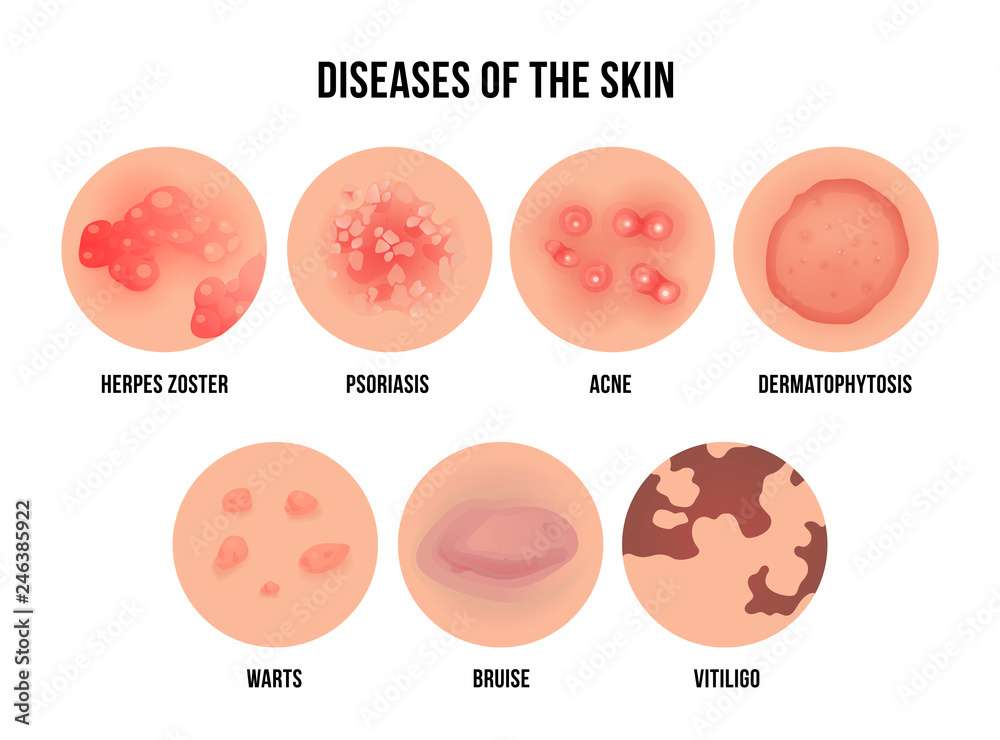
COPD is a progressive lung disease that makes breathing difficult. Early recognition and ongoing care can improve symptoms and slow disease progression.
- Main Symptoms & Causes: Chronic cough, shortness of breath, often linked to smoking or long-term exposure to lung irritants.
- Diagnostic Methods: Lung function tests such as spirometry help measure airway obstruction severity.
- Treatment Strategies: Smoking cessation is crucial; bronchodilators, inhaled steroids, pulmonary rehabilitation aid symptom relief.
- Lifestyle Impact & Prognosis: Patients may need oxygen therapy in advanced cases; regular medical evaluation helps optimize well-being.
A proactive approach combining medication adherence with preventing respiratory infections enhances daily functioning for those affected.
TYPE 2 DIABETES MELLITUS CARE

Type 2 diabetes is a metabolic disorder characterized by high blood sugar due to insulin resistance or insufficient insulin production. Effective management focuses on controlling glucose levels and preventing complications.
- Symptoms & Causes: Increased thirst, frequent urination, fatigue; caused by genetic factors combined with lifestyle influences like poor diet and inactivity.
- Diagnosis: Blood tests such as fasting blood sugar and HbA1c assess glycemic control over time.
- Treatment & Management: Emphasizes balanced nutrition, physical activity, weight control, oral hypoglycemics or insulin when required.
- Monitoring Expectations: Consistent follow-up visits for blood sugar monitoring and screening for related health issues (eye/kidney problems).
Long-term success requires a collaborative approach to maintain quality of life through daily self-care routines.
HYPERTENSION MANAGEMENT
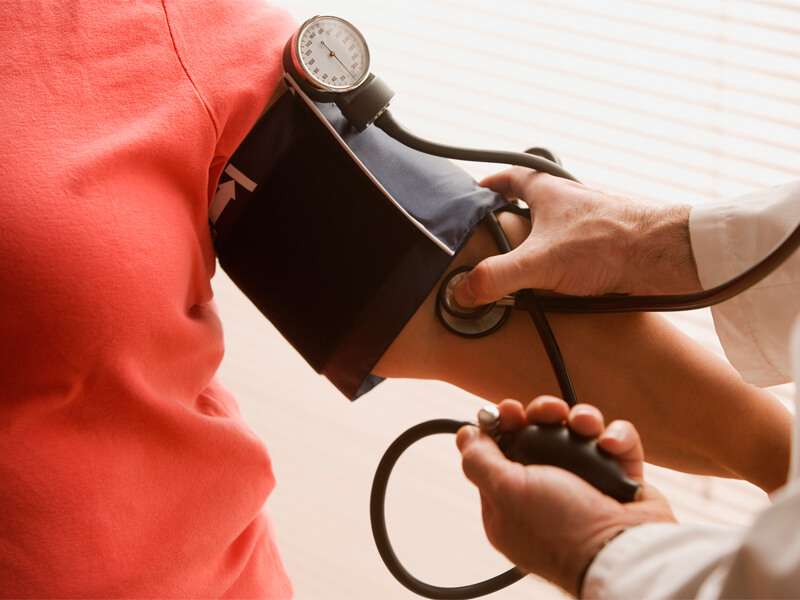
High blood pressure, or hypertension, is a common condition affecting many adults and can lead to serious health issues if left untreated. Managing it effectively reduces risks of heart attack and stroke.
- Symptoms and Causes: Often called the 'silent killer,' it may have no symptoms but is linked to factors like stress, obesity, and excessive salt intake.
- Diagnosis: Blood pressure measurements during multiple visits help confirm persistent elevation above normal ranges (140/90 mmHg or higher).
- Treatment Options: Lifestyle changes including diet modification, regular exercise, weight reduction, and sometimes medications such as ACE inhibitors or diuretics are essential.
- What to Expect: Regular monitoring ensures treatment effectiveness; patients are encouraged to maintain healthy habits long-term.
With proper care and attention, individuals with hypertension can live healthy lives while minimizing complications.