
Dr Madhusudan Pa
About Me
Dr Madhusudan Pa
MS
Urologists
10 Years Experience
Biography
My Clinic
OPD Hours
| Monday | Morning | 10:00 AM | - | 02:00 PM |
| Evening | 06:00 PM | - | 09:00 PM | |
| Tuesday | Morning | 10:00 AM | - | 02:00 PM |
| Evening | 06:00 PM | - | 09:00 PM | |
| Wednesday | Morning | 10:00 AM | - | 02:00 PM |
| Evening | 06:00 PM | - | 09:00 PM | |
| Thursday | Morning | 10:00 AM | - | 02:00 PM |
| Evening | 06:00 PM | - | 09:00 PM | |
| Friday | Morning | 10:00 AM | - | 02:00 PM |
| Evening | 06:00 PM | - | 09:00 PM | |
| Saturday | Morning | 10:00 AM | - | 02:00 PM |
| Evening | 06:00 PM | - | 09:00 PM | |
| Sunday | Morning | 10:00 AM | - | 02:00 PM |
| Evening | 06:00 PM | - | 09:00 PM |
Treatments
Specialised care and treatments offered
PROSTATE CANCER
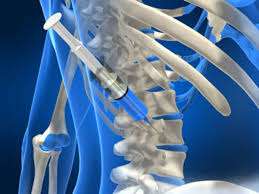
This type of cancer develops in the prostate gland often without early warning signs until later stages manifest discomfort. Regular check-ups increase early detection chances significantly enhancing treatment outcomes .
- Symptoms: Commonly includes difficulty urinating , presence blood within urine/semen + unexplained weight loss potentially alarming indications present themselves during advanced cases .
- Causes: Age plays crucial role increases likelihood ; family genetic predisposition also heightens potential vulnerability towards developing this malignancy over time period .
- Diagnosis: Typically involves PSA testing alongside imaging technologies helping detect whether suspicious growths exist before initiating further evaluations necessary planning future care strategies effectively thereafter moving forward toward potential interventions available sooner rather than later ensuring positive outcomes achieved swiftly overall post-diagnosis period !
OVERACTIVE BLADDER (OAB)

An overactive bladder is characterized by an urgent need to urinate frequently. This condition can disrupt daily activities significantly if left untreated.
- Symptoms: OAB symptoms include a strong urge to urinate even when the bladder isn't full , frequent nighttime bathroom trips , bouts of urinary leakage .
- Causes: It could arise from neurologic disorders , bladder inflammation , excessive caffeine consumption among other triggers .
- Diagnosis: Evaluation usually begins with symptom assessment followed by possible urodynamic studies if warranted .
- Treatment Options: Lifestyle modifications such as diet adjustments often accompany pharmacological therapies aimed at reducing urgency ; behavioral techniques like bladder training enhance results .
- What To Expect: With consistent treatment adherence plans , many patients report notable improvements within months leading fulfilling lives again .
Should you suspect having OAB consult promptly , achieving desirable outcomes becomes much easier together!
ERECTILE DYSFUNCTION (ED)

Erectile dysfunction is defined as the inability to achieve or maintain an erection sufficient for satisfactory sexual performance. It's a common issue that affects many men at various stages of life.
- Symptoms: Symptoms primarily involve difficulty getting an erection or maintaining it throughout sexual activity; some may also experience reduced libido or overall dissatisfaction with sexual function.
- Causes: Potential causes range from psychological factors like stress or anxiety to physical health issues such as cardiovascular disease or diabetes which affects blood flow.
- Diagnosis: A thorough assessment typically includes medical history discussions followed by physical exams; additional tests may be recommended based on preliminary findings.
- Treatment Options:Pills such as phosphodiesterase type 5 inhibitors are common initial treatments; other modalities may include therapy focused on psychological factors or vacuum devices that help stimulate natural erections effectively
To address erectile dysfunction adequately , consider reaching out promptly ; open communication allows for effective solutions finding .
KIDNEY STONES

Kidney stones are hard deposits made of minerals and salts that form inside the kidneys. They can vary in size and may cause significant pain when passing through the urinary tract.
- Symptoms: Typical signs include severe pain in the back or side below the ribs, blood in urine, nausea or vomiting, and frequent urination.
- Causes: Dehydration is a common risk factor. Other contributors include dietary factors, obesity, certain medical conditions like diabetes or hyperparathyroidism.
- Diagnosis: Diagnosis generally involves imaging tests such as X-rays or CT scans along with laboratory analysis of urine samples for crystallization patterns.
- Treatment Options: Treatment may range from increasing fluid intake to medications for pain relief. In severe cases or when stones are large enough that they do not pass naturally, surgical options might be required.
If kidney stones are suspected based on symptoms or prior history, timely intervention can prevent complications and provide relief from discomfort.
URINARY INCONTINENCE

Urinary incontinence refers to the involuntary loss of urine, which can significantly impact quality of life. It can occur in both men and women due to various underlying issues.
- Symptoms: Symptoms range from mild leakage during moments of sudden stress (like coughing) to complete loss of bladder control.
- Causes: Factors contributing to urinary incontinence include urinary tract infections (UTIs), prostate problems in men, pelvic floor weakness in women, and neurological disorders.
- Diagnosis: A comprehensive evaluation often includes medical history review, physical examinations, urinary tests, and sometimes imaging studies.
- Treatment Options: Treatment methods vary widely; options include pelvic floor exercises, medications, and sometimes surgical interventions depending on severity and cause.
- What to Expect: Effective management usually improves symptoms significantly; ongoing discussion with your healthcare provider is key for long-term success.
If you're struggling with urinary incontinence, early consultation can lead to successful management strategies tailored to your needs.
BENIGN PROSTATIC HYPERPLASIA (BPH)

Benign Prostatic Hyperplasia, commonly known as BPH, is a condition characterized by the enlargement of the prostate gland. This growth can lead to various urinary symptoms and may affect men as they age.
- Symptoms: Common symptoms include frequent urination, especially at night, difficulty starting urination, weak urine flow, and the sensation of incomplete bladder emptying.
- Causes: While the exact cause remains unclear, hormonal changes and aging are significant factors contributing to prostate growth.
- Diagnosis: Diagnosis typically involves a physical examination, patient history review, urine tests, and possibly a prostate-specific antigen (PSA) test.
- Treatment Options: Treatment may include lifestyle changes, medication to shrink the prostate or relieve symptoms, or surgical procedures for severe cases.
- What to Expect: Many patients find significant relief from symptoms with appropriate treatment strategies. Regular monitoring and follow-up are essential for managing this progressive condition.
If you suspect you have BPH or experience related symptoms, consult with a healthcare provider for proper evaluation and management.