
Dr Mahaveer Gupt
About Me
Dr Mahaveer Gupt
MD
Dermatologist
10 Years Experience
Biography
My Clinic
OPD Hours
| Monday | Morning | 10:00 AM | - | 02:00 PM |
| Evening | 06:00 PM | - | 09:00 PM | |
| Tuesday | Morning | 10:00 AM | - | 02:00 PM |
| Evening | 06:00 PM | - | 09:00 PM | |
| Wednesday | Morning | 10:00 AM | - | 02:00 PM |
| Evening | 06:00 PM | - | 09:00 PM | |
| Thursday | Morning | 10:00 AM | - | 02:00 PM |
| Evening | 06:00 PM | - | 09:00 PM | |
| Friday | Morning | 10:00 AM | - | 02:00 PM |
| Evening | 06:00 PM | - | 09:00 PM | |
| Saturday | Morning | 10:00 AM | - | 02:00 PM |
| Evening | 06:00 PM | - | 09:00 PM | |
| Sunday | Morning | 10:00 AM | - | 02:00 PM |
| Evening | 06:00 PM | - | 09:00 PM |
Treatments
Specialised care and treatments offered
HYPERPIGMENTATION THERAPY
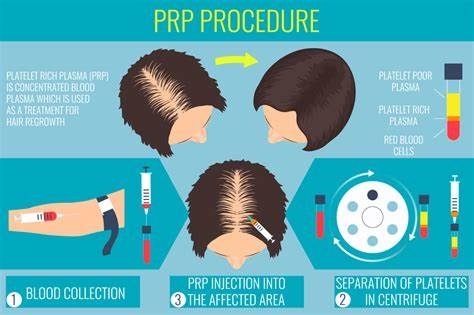
Hyperpigmentation refers to darkened spots or patches appearing on the skin due to excess melanin production often following injury or prolonged sun exposure. It encompasses conditions like melasma or post-inflammatory pigmentation changes after acne healing.
- Common causes include ultraviolet radiation triggering melanocyte activity increase along with hormonal changes contributing notably during pregnancy or birth control usage.
- Diagnosis generally relies on visual assessment supported sometimes by Wood's lamp examination differentiating epidermal versus dermal involvement.
- Treatment focuses primarily on photoprotection using broad-spectrum sunscreens daily combined with topical agents such as hydroquinone derivatives acting as melanin synthesis inhibitors.
- Other modalities include chemical peels or laser therapy administered cautiously under expert guidance addressing deeper pigment deposits safely.
- Patients should have realistic expectations acknowledging gradual improvement timelines often spanning several months.
Committed adherence to prevention strategies alongside personalized therapies results in noticeable reduction of discoloration enhancing overall complexion harmony sustainably.
SEBORRHEIC DERMATITIS MANAGEMENT
Seborrheic dermatitis is an inflammatory disorder causing flaky scales predominantly in oily areas like the scalp, face sides, chest folds, or around the nose. It often presents as dandruff when mild but can become more extensive in severe cases.
- The exact cause relates to an abnormal immune response to yeast living on the skin combined with genetic factors and environmental influences like cold weather or stress.
- A diagnosis is usually straightforward based on typical location-distributed redness coupled with greasy scaling features observed during examination.
- Mild forms benefit from medicated shampoos containing antifungal agents such as ketoconazole; topical corticosteroids are reserved for flares requiring potent anti-inflammatory action carefully applied short-term due to side effects risk.
- Regular cleansing routines avoiding harsh soaps helps maintain scalp health while minimizing irritation potential.
- Though seborrheic dermatitis tends to recur chronically over years; adherence to treatment substantially controls symptoms improving comfort daily.
Appropriate therapy relieves itching and scaling quickly aiding patients’ confidence through healthier-looking skin maintenance.
ROSACEA TREATMENT
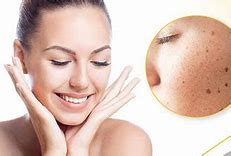
Rosacea is a chronic condition causing facial redness often accompanied by visible blood vessels or acne-like bumps. It primarily affects adults with fair skin but can appear in various populations.
- The underlying cause involves abnormal inflammation responses triggered by factors like sun exposure, heat, spicy foods, or stress.
- A clinical examination focusing on characteristic redness patterns assists in diagnosis without the need for invasive tests usually.
- Treatment includes topical metronidazole or azelaic acid creams to reduce inflammation; sometimes oral antibiotics are prescribed for more significant symptoms.
- Sunscreens designed for sensitive skin are crucial to protect against ultraviolet light that worsens rosacea signs.
- Avoidance of known personal triggers along with gentle cleansing routines improves symptom control effectively over time.
By understanding this condition’s nature and following consistent management approaches, patients experience fewer flares and better facial appearance stability.
PSORIASIS CARE
Psoriasis is a long-lasting inflammatory disease that causes patches of thickened red skin covered with silvery scales. It results from an accelerated life cycle of skin cells combined with immune system dysfunction.
- The typical presentation includes well-demarcated plaques that may itch or cause discomfort.
- A healthcare provider diagnoses psoriasis based on lesion characteristics; occasionally, a biopsy confirms uncertain cases.
- Main treatments range from topical corticosteroids to phototherapy; systemic medications might be indicated for severe forms under medical supervision.
- Avoiding triggers such as stress, infections, or certain medications can reduce flare frequency.
- Lifestyle factors including moisturizing regularly and gentle skin care support better symptom control.
While there is no permanent cure for psoriasis yet, ongoing management helps minimize outbreaks and enhances quality of life substantially.
ACNE VULGARIS MANAGEMENT
Acne vulgaris is a common skin disorder predominantly affecting adolescents but also adults. It manifests as pimples, blackheads, and cysts typically on the face, chest, and back.
- The condition arises from blocked hair follicles due to excess oil production, bacteria growth, and inflammation.
- A diagnosis is made by examining the characteristic lesions during a physical evaluation.
- Treatment options include topical agents such as retinoids and benzoyl peroxide to unclog pores and reduce bacteria; in some cases, oral antibiotics or hormonal therapy may be recommended.
- Dietary habits sometimes influence acne severity; reducing high-glycemic foods may help manage symptoms.
- Patients should avoid squeezing lesions to prevent scarring and secondary infection.
With appropriate care tailored to individual needs, acne can be effectively controlled for clearer skin and improved self-confidence.
ATOPIC DERMATITIS
Atopic dermatitis is a chronic skin condition characterized by itchy, inflamed patches of skin. It often affects people with a history of allergies or asthma and can be persistent or recurrent.
- Symptoms include dry, scaly skin, redness, and intense itching that may worsen at night.
- Causes involve a combination of genetic predisposition and environmental triggers such as allergens and irritants.
- Diagnosis is primarily clinical, based on the appearance and distribution of lesions alongside patient history.
- Treatment focuses on maintaining skin hydration with emollients, avoiding known irritants, and using anti-inflammatory medications like topical corticosteroids or calcineurin inhibitors when necessary.
- Lifestyle adjustments such as stress management and wearing breathable clothing can help reduce flare-ups.
Although atopic dermatitis can be challenging to manage, consistent skincare routines and prompt treatment significantly improve skin comfort and appearance over time.