
DR MAHENDRA GUPT
About Me
DR MAHENDRA GUPT
MS
Orthopaedic Surgeons
10 Years Experience
Biography
My Clinic
OPD Hours
| Monday | Morning | 10:00 AM | - | 02:00 PM |
| Evening | 06:00 PM | - | 09:00 PM | |
| Tuesday | Morning | 10:00 AM | - | 02:00 PM |
| Evening | 06:00 PM | - | 09:00 PM | |
| Wednesday | Morning | 10:00 AM | - | 02:00 PM |
| Evening | 06:00 PM | - | 09:00 PM | |
| Thursday | Morning | 10:00 AM | - | 02:00 PM |
| Evening | 06:00 PM | - | 09:00 PM | |
| Friday | Morning | 10:00 AM | - | 02:00 PM |
| Evening | 06:00 PM | - | 09:00 PM | |
| Saturday | Morning | 10:00 AM | - | 02:00 PM |
| Evening | 06:00 PM | - | 09:00 PM | |
| Sunday | Morning | 10:00 AM | - | 02:00 PM |
| Evening | 06:00 PM | - | 09:00 PM |
Treatments
Specialised care and treatments offered
FRACTURE CARE MANAGEMENT
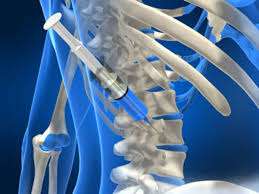
Fractures are common injuries that may occur due to trauma or stress on the bones; effective management ensures proper healing without complications.
- Symptoms indicating a possible fracture include immediate severe pain at the site of injury accompanied by swelling or inability to use the affected limb normally afterward.
- Diagnosis usually requires clinical examination combined with imaging studies such as X-rays confirming fracture type and location involved in patient cases encountered shortly after incidents happen where impact occurs directly onto limbs/bones sustained during falls/accidents etc.
- Treatment methods vary widely depending upon severity - ranging from conservative casts/splints immobilizing fractured areas during natural healing processes up through possible surgical repairs involving pins plates screws holding pieces together inside body cavities when indicated appropriately afterwards upfront down line following initial care portion respective each unique case presented amongst them...
Comprehending your treatment path will greatly enhance understanding implications behind each phase healing process captured within context separate journeys undertaken throughout entire ordeal faced once these unfortunate events arise suddenly beyond any individual's control outside influence sometimes too many factors stop short resistance ultimately leads towards best outcomes achieved overall!
JOINT REPLACEMENT SURGERY CONSULTATION
Joint replacement surgery is an option when conservative treatments fail; it aims to relieve pain by replacing damaged joints with artificial ones.
- Symptoms necessitating consultation include persistent joint pain that hinders daily activities even after other treatments have been attempted.
- A thorough evaluation reveals ongoing issues through clinical assessments paired with patient interviews regarding functional limitations experienced.
- Pre-operative treatments often entail discussions about lifestyle changes along with possible participation in pre-rehabilitation programs designed to strengthen surrounding muscles prior to surgery.
- Following successful joint replacements, adherence to post-surgery rehabilitation protocols fosters quicker recoveries along with enhanced functional outcomes.
It's important for prospective patients considering joint replacement surgery to understand all available options thoroughly before proceeding toward this advanced intervention technique.
POST-SURGICAL REHABILITATION

The recovery phase after orthopedic surgery is critical for restoring function. An appropriate rehabilitation program supports healing and aids in regaining strength.
- Pain management is often necessary following surgery; patients may experience swelling or tenderness around the surgical site initially.
- A healthcare provider will typically assess progress through consultations to ensure healing is on track through regular check-ups post-surgery.
- Treatment plans usually involve customized exercise regimens designed by physiotherapists emphasizing gradual progression from gentle movements to more demanding activities.
- Using assistive devices like crutches or braces during recovery can aid mobility while protecting the surgical area.
Following a structured rehabilitation protocol significantly enhances restoration of function after surgery, setting realistic goals for each stage of recovery.
BONE HEALTH SCREENING

Maintaining bone health is vital for preventing fractures and osteoporosis, especially as we age. Regular screening can help identify risks early on.
- Common symptoms of weakened bones include unexplained fractures or chronic back pain due to osteoporosis-related issues.
- Disease diagnosis often includes bone density tests (DEXA scans) alongside medical history reviews.
- Nutritional adjustments, including calcium and vitamin D supplementation, play a significant role in treatment strategies for bone health maintenance.
- Lifestyle changes such as engaging in weight-bearing exercises contribute positively to strengthening bones over time.
- Follow-up screenings are crucial for monitoring progress and adjusting treatments accordingly based on bone density changes.
Proactive measures towards bone health can vastly improve quality of life as you age while minimizing injury risks associated with fragile bones.
SPORTS INJURY REHABILITATION

Sports injuries are frequent among athletes and active individuals. Proper rehabilitation is essential for recovery and preventing future injuries.
- The most common symptoms include pain during activity, swelling, and limited mobility in the affected area.
- Diagnosis often involves a thorough physical examination along with imaging techniques to determine the extent of the injury.
- Rehabilitation may combine rest with physiotherapy exercises aimed at restoring strength and flexibility.
- Utilizing protective bracing or taping can also help during recovery.
- A comprehensive rehabilitation program typically includes gradual return-to-sport protocols to ensure safety while resuming normal activities.
A well-structured rehabilitation plan not only promotes healing but also enhances performance post-injury.
ARTHRITIS MANAGEMENT

Arthritis is a common condition that affects the joints, leading to pain, swelling, and decreased range of motion. It can severely impact daily activities and overall quality of life.
- Symptoms include joint pain, stiffness, swelling, and reduced flexibility.
- Diagnosis typically involves a physical examination and imaging tests like X-rays or MRIs to assess joint damage.
- Treatment options may include medications for pain relief, physical therapy, and lifestyle modifications such as weight management.
- In severe cases, surgical interventions like joint repair or replacement might be considered.
- Patients can expect ongoing management strategies tailored to their specific needs and regular follow-ups for optimal results.
Understanding arthritis is crucial for effective management and maintaining a healthy lifestyle despite the challenges it presents.