
Dr Mahendra Kuma
About Me
Dr Mahendra Kuma
MBBS
General Physician
10 Years Experience
Biography
My Clinic
OPD Hours
| Monday | Morning | 10:00 AM | - | 02:00 PM |
| Evening | 06:00 PM | - | 09:00 PM | |
| Tuesday | Morning | 10:00 AM | - | 02:00 PM |
| Evening | 06:00 PM | - | 09:00 PM | |
| Wednesday | Morning | 10:00 AM | - | 02:00 PM |
| Evening | 06:00 PM | - | 09:00 PM | |
| Thursday | Morning | 10:00 AM | - | 02:00 PM |
| Evening | 06:00 PM | - | 09:00 PM | |
| Friday | Morning | 10:00 AM | - | 02:00 PM |
| Evening | 06:00 PM | - | 09:00 PM | |
| Saturday | Morning | 10:00 AM | - | 02:00 PM |
| Evening | 06:00 PM | - | 09:00 PM | |
| Sunday | Morning | 10:00 AM | - | 02:00 PM |
| Evening | 06:00 PM | - | 09:00 PM |
Treatments
Specialised care and treatments offered
THYROID FUNCTION EVALUATION
The thyroid gland plays a crucial role in regulating various bodily functions including metabolism and energy levels. Evaluating its function is vital for diagnosing conditions such as hypothyroidism or hyperthyroidism which affect overall health significantly.
- Symptoms: Signs may vary widely including fatigue, weight fluctuations, mood swings ,and sensitivity to temperature extremes .
- Diagnosis: A simple blood test measuring TSH (Thyroid Stimulating Hormone) along with free T4/T3 levels confirms thyroid function status .
- Treatment/Management: Depending on diagnosis , hormone replacement therapy for underactive thyroids or medication for overactive thyroids will restore balance .
Continuous monitoring ensures adequate control over thyroid-related conditions leading to better health outcomes .
ACID REFLUX MANAGEMENT

A common digestive condition, acid reflux occurs when stomach acid frequently flows back into the esophagus. Understanding this condition is key to preventing discomfort and associated complications like esophagitis.
- Symptoms: Typical symptoms include heartburn, regurgitation of food or sour liquid, difficulty swallowing, and chest pain during eating
- Treatment/Management: Modifications in diet combined with over-the-counter antacids or prescribed medications like proton pump inhibitors help in controlling acid production.
- Lifestyle Changes: Elevating the head during sleep or avoiding large meals can provide additional relief.
Early intervention helps prevent serious complications associated with chronic acid reflux.
SEASONAL ALLERGIES TREATMENT

If you experience sneezing, itching, or watery eyes during certain seasons, you might be suffering from seasonal allergies. Identifying triggers early allows for effective management of symptoms throughout allergy season.
- Symptoms: Typical symptoms include nasal congestion, itchy eyes/nose/throat, sneezing, and fatigue.
- Diagnosis: Allergy testing either through skin tests or blood tests determines specific allergens causing reactions.
- Treatment/Management: Over-the-counter antihistamines or prescription medications can help alleviate symptoms; avoidance strategies are also crucial.
Taking proactive steps can greatly enhance quality of life during peak allergy times!
DIABETES MANAGEMENT
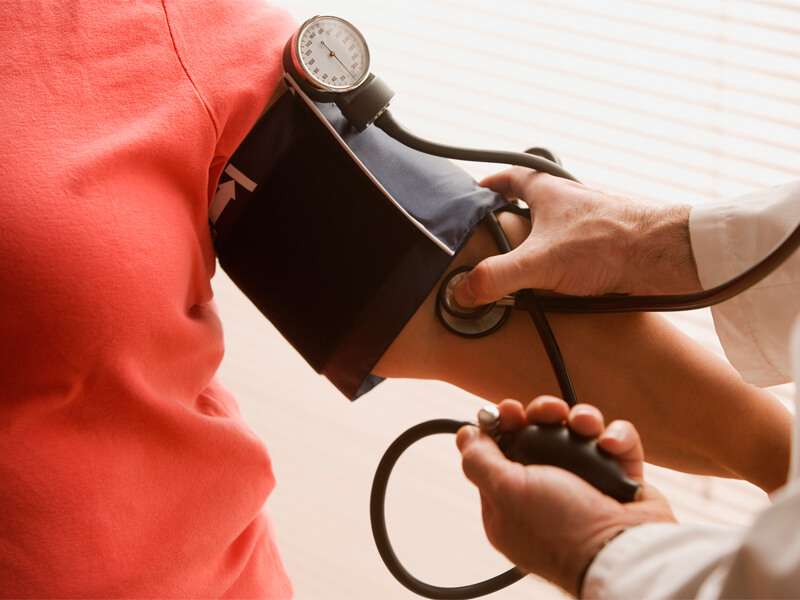
The prevalence of diabetes has risen sharply in recent years. Effective management of this chronic condition is crucial to prevent complications such as heart disease and neuropathy.
- Symptoms: Common signs include increased thirst, frequent urination, fatigue, and blurred vision.
- Diagnosis: Blood tests measuring glucose levels—such as fasting blood sugar tests or hemoglobin A1c—confirm diabetes status.
- Treatment/Management: It often involves lifestyle changes including diet and exercise, along with insulin or oral medications when necessary.
- Mental Health Support: Patients are encouraged to seek emotional support as managing diabetes can be challenging.
A comprehensive approach helps patients lead fulfilling lives while managing diabetes effectively.
CHOLESTEROL SCREENING

High cholesterol levels can increase the risk of heart disease and stroke. Screening for cholesterol is an important preventive measure that allows for early detection and management of lipid imbalances.
- Symptoms: High cholesterol typically has no direct symptoms; it often goes unnoticed until it causes complications.
- Diagnosis: A simple blood test measures total cholesterol, LDL (bad cholesterol), HDL (good cholesterol), and triglycerides.
- Treatment/Management: Lifestyle modifications, dietary changes, and possibly statin medications are recommended to manage cholesterol levels effectively.
- Regular Follow-Up: Ongoing monitoring helps track progress and adjust treatment strategies as needed.
Catching high cholesterol early can significantly reduce the risk of heart-related issues later on.
HYPERTENSION MANAGEMENT

Hypertension, or high blood pressure, is a common condition that can lead to serious health issues if left untreated. It often presents with no symptoms, earning it the name 'silent killer.' Regular monitoring and effective management are essential to maintain healthy blood pressure levels.
- Symptoms: Often asymptomatic but may include headaches, shortness of breath, and nosebleeds in severe cases.
- Diagnosis: Blood pressure is measured using a sphygmomanometer; multiple readings may be needed to confirm hypertension.
- Treatment/Management: Lifestyle changes such as diet and exercise, along with medications like diuretics or ACE inhibitors, may be prescribed.
- Monitoring: Regular check-ups are crucial for adjusting treatment plans based on blood pressure readings.
With consistent management, individuals can lead a healthy life despite having hypertension.