
Dr Mahendra Ortho
About Me
Dr Mahendra Ortho
MBBS
General Physician
10 Years Experience
Biography
My Clinic
OPD Hours
| Monday | Morning | 10:00 AM | - | 02:00 PM |
| Evening | 06:00 PM | - | 09:00 PM | |
| Tuesday | Morning | 10:00 AM | - | 02:00 PM |
| Evening | 06:00 PM | - | 09:00 PM | |
| Wednesday | Morning | 10:00 AM | - | 02:00 PM |
| Evening | 06:00 PM | - | 09:00 PM | |
| Thursday | Morning | 10:00 AM | - | 02:00 PM |
| Evening | 06:00 PM | - | 09:00 PM | |
| Friday | Morning | 10:00 AM | - | 02:00 PM |
| Evening | 06:00 PM | - | 09:00 PM | |
| Saturday | Morning | 10:00 AM | - | 02:00 PM |
| Evening | 06:00 PM | - | 09:00 PM | |
| Sunday | Morning | 10:00 AM | - | 02:00 PM |
| Evening | 06:00 PM | - | 09:00 PM |
Treatments
Specialised care and treatments offered
ALLERGIC RHINITIS
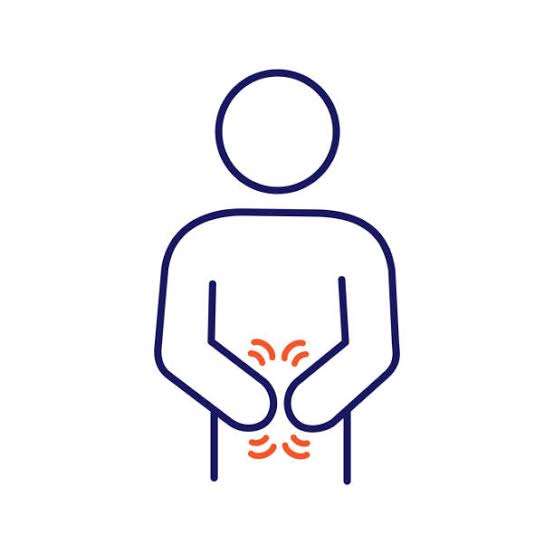
This allergic reaction occurs when allergens trigger an immune response leading to sneezing, itching, and nasal congestion. Common triggers include pollen, dust mites, mold spores, and pet dander.
- Symptoms: Frequent sneezing, itchy nose/eyes/throat; nasal congestion is typical during allergy season.
- Diagnosis: A thorough medical history alongside allergen testing assists in identifying specific triggers.
- Treatment Options: Antihistamines may provide relief; avoidance strategies regarding known allergens are crucial alongside possible immunotherapy.
Understanding your allergies allows for better management strategies that enhance daily living without constant discomfort from this common condition.
URINARY TRACT INFECTIONS (UTIS)

A urinary tract infection occurs when bacteria enter the urinary system causing inflammation. UTIs are more common in women but can affect anyone at any age. Prompt treatment is essential to avoid complications
- Symptoms: Burning sensation during urination, frequent urge to urinate, cloudy urine.
- Diagnosis: Urinalysis followed by urine culture helps identify the responsible bacteria.
- Treatment Options: Antibiotics are typically prescribed based on culture results along with pain relief measures.
- Prevention: Staying hydrated and proper hygiene practices play a critical role in preventing UTIs.
Early diagnosis and treatment often lead to a complete resolution of symptoms while minimizing recurrence risks.
GASTROENTERITIS
This condition involves inflammation of the stomach and intestines leading to symptoms like diarrhea and vomiting. It is commonly caused by viral infections but can also result from bacteria or parasites.
- Symptoms: Nausea, vomiting, diarrhea, abdominal cramps; dehydration is a common concern associated with gastroenteritis.
- Diagnosis: Typically involves clinical evaluation based on patient symptoms; stool tests may be conducted for specific pathogens if needed.
- Treatment Options: Focuses on rehydration through fluids; in severe cases, medications may be used to alleviate symptoms or treat underlying causes.
If managed properly with adequate hydration and medical support when necessary, most patients recover fully without complications within days.
ACUTE RESPIRATORY INFECTIONS
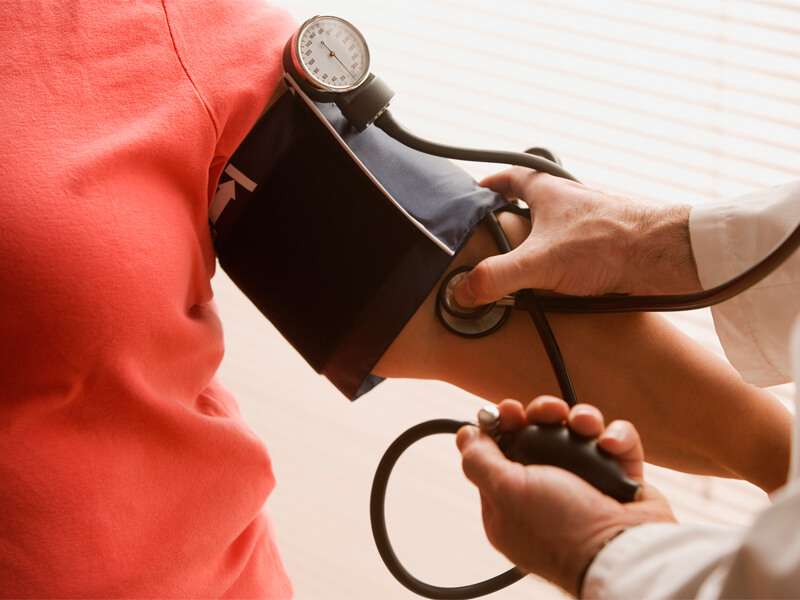
Acute respiratory infections refer to a range of infections affecting the upper or lower respiratory tract. These infections are especially common during colder months and can vary in severity from mild to life-threatening.
- Symptoms: Coughing, sore throat, fever, congestion; symptoms often resemble those of the flu or common cold.
- Diagnosis: Based on patient history and physical examination; sometimes imaging studies are required for severe cases.
- Treatment Options: Supportive care including rest, hydration; antibiotics may be prescribed if a bacterial infection is suspected.
- Caution: It's important to recognize when symptoms worsen or do not improve for appropriate medical intervention.
Mild cases often resolve with home care while severe infections may require hospitalization for further treatment.
DIABETES MELLITUS
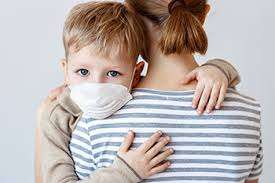
This chronic condition affects how your body processes blood sugar (glucose). Diabetes can lead to serious complications affecting the heart, kidneys, and nerves if not managed properly.
- Symptoms: Increased thirst, frequent urination, extreme fatigue, blurred vision.
- Diagnosis: Blood tests such as fasting blood glucose or HbA1c levels help in diagnosing diabetes.
- Treatment Options: Management includes lifestyle modifications like a healthy diet and regular exercise along with insulin therapy or oral medications when necessary.
- Monitoring: Regular blood sugar checks are crucial for maintaining optimal health and preventing complications.
Taking charge of your diabetes through education and self-management can improve your quality of life significantly.
HYPERTENSION
Hypertension, also known as high blood pressure, is a common condition that can lead to serious health issues if left untreated. It often develops over many years and can be caused by various factors including diet, obesity, and genetics.
- Symptoms: Often asymptomatic but can include headaches, shortness of breath, and nosebleeds.
- Diagnosis: Blood pressure readings taken using a sphygmomanometer; regular monitoring is vital.
- Treatment Options: Lifestyle changes such as diet and exercise, as well as medications like diuretics or ACE inhibitors.
- Management: Regular follow-up appointments and continuous health monitoring are essential for effective management.
A proactive approach to managing hypertension can significantly lower the risk of heart disease and stroke.