
Dr Mahendra Puroh
About Me
Dr Mahendra Puroh
MBBS
General Physician
Biography
My Clinic
OPD Hours
| Monday | Morning | 10:00 AM | - | 02:00 PM |
| Evening | 06:00 PM | - | 09:00 PM | |
| Tuesday | Morning | 10:00 AM | - | 02:00 PM |
| Evening | 06:00 PM | - | 09:00 PM | |
| Wednesday | Morning | 10:00 AM | - | 02:00 PM |
| Evening | 06:00 PM | - | 09:00 PM | |
| Thursday | Morning | 10:00 AM | - | 02:00 PM |
| Evening | 06:00 PM | - | 09:00 PM | |
| Friday | Morning | 10:00 AM | - | 02:00 PM |
| Evening | 06:00 PM | - | 09:00 PM | |
| Saturday | Morning | 10:00 AM | - | 02:00 PM |
| Evening | 06:00 PM | - | 09:00 PM | |
| Sunday | Morning | 10:00 AM | - | 02:00 PM |
| Evening | 06:00 PM | - | 09:00 PM |
Treatments
Specialised care and treatments offered
COMMON COLD
The common cold is an upper respiratory tract infection caused by various viruses leading to runny noses and sore throats among other discomforting symptoms experienced widely across populations globally every year seasonally featuring prominently during winter months especially!
GASTROESOPHAGEAL REFLUX DISEASE (GERD)

This digestive disorder occurs when stomach acid frequently flows back into the esophagus causing irritation. Understanding GERD helps manage symptoms effectively and maintain quality of life.
- Symptoms : Common indicators involve heartburn sensation after meals accompanied by regurgitation during sleep which disrupts normal daily activities .
- Triggers : Lifestyle factors including obesity , smoking , certain foods , caffeine consumption could exacerbate GERD requiring attention .
- Diagnosis : Based on history evaluation coupled with endoscopy tests enabling visualization providing crucial information for management planning .
- Treatment options : Lifestyle changes plus medications such antacids , H2 blockers contribute positively depending upon severity conditions while surgical interventions considered severe cases .
With continuous education addressing dietary habits gives hope alleviating unpleasant experiences associated GERD vastly improving healthier lifestyle choices throughout journey ahead towards recovery !
HYPERLIPIDEMIA
Hyperlipidemia refers to elevated levels of lipids (fats) in the bloodstream, increasing the risk of heart disease and stroke. Understanding this condition is essential for maintaining cardiovascular health.
- Causes: Factors include poor diet high in saturated fats and cholesterol, lack of physical activity, obesity, genetic predispositions among others.
- Symptoms: Typically asymptomatic; however, as plaque builds up in arteries over time it may ultimately lead to chest pain or other cardiovascular events.
ASTHMA
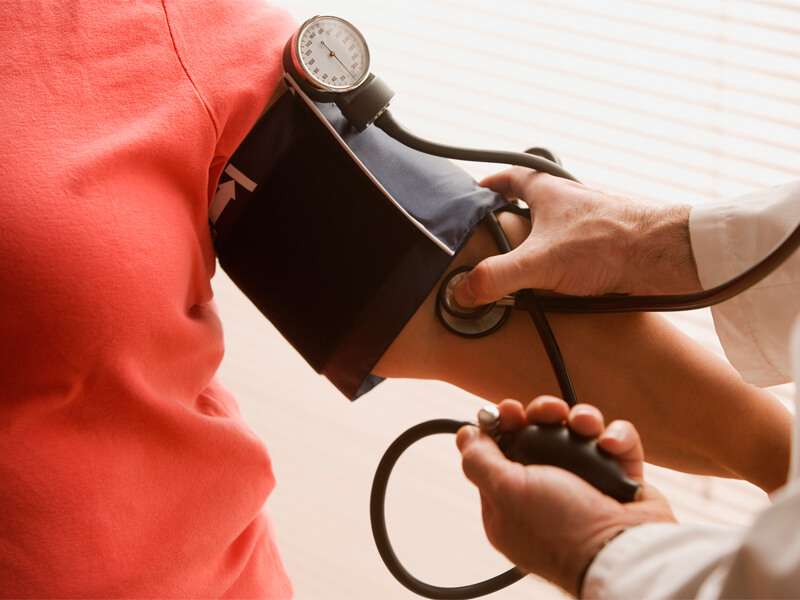
Asthma is a chronic respiratory condition characterized by inflammation and narrowing of the airways. It affects people of all ages but often begins in childhood.
- Symptoms: Common symptoms include wheezing, coughing, chest tightness, and shortness of breath which may worsen at night or early morning.
- Triggers: Asthma attacks can be triggered by allergens such as pollen, mold, smoke, or respiratory infections. Identifying triggers is key in managing asthma effectively.
- Diagnosis: Pulmonary function tests assess lung capacity while an allergy test may identify potential allergens contributing to symptoms.
- Treatment options: Management involves avoiding triggers alongside medications including inhalers for quick relief or long-term control through anti-inflammatory drugs.
With proper management strategies in place, individuals with asthma can lead fulfilling lives free from serious restrictions imposed by their condition.
DIABETES MELLITUS
Diabetes mellitus is a group of diseases that affect how the body uses blood sugar (glucose). It can lead to serious health issues if not managed properly over time.
- Types: The two main types are Type 1, where the body does not produce insulin, and Type 2, which occurs when the body does not use insulin effectively.
- Symptoms: Common signs include excessive thirst, frequent urination, extreme fatigue, and blurred vision. These signals demand immediate medical attention.
- Diagnosis: Blood tests measuring glucose levels will confirm diabetes. These tests include fasting blood sugar and HbA1c tests performed at your healthcare provider's office.
- Treatment options: Treatment varies from lifestyle modifications like diet and exercise to medication regimens that may include insulin therapy for Type 1 patients.
By understanding diabetes and adhering to treatment plans, individuals can live healthy lives while managing their condition effectively.
HYPERTENSION
Hypertension, commonly known as high blood pressure, is a condition that affects millions worldwide. It occurs when the force of blood against the artery walls is consistently too high, leading to various health complications.
- Symptoms: Often referred to as a silent killer, hypertension may not present noticeable symptoms until it leads to serious issues like heart disease or stroke.
- Diagnosis: Blood pressure measurements are routinely taken during health check-ups. A reading of 130/80 mm Hg or higher is generally classified as hypertension.
- Treatment options: Management includes lifestyle changes such as diet and exercise, along with medications like diuretics and ACE inhibitors tailored to individual needs.
- What to expect: Regular monitoring and adapting treatment as needed can help manage blood pressure effectively. Patients are encouraged to maintain a healthy lifestyle for optimal control.
Understanding hypertension is crucial for prevention and management. Regular check-ups can help catch this condition early and reduce risks associated with it.