
Dr Mahesh Ghogare
About Me
Dr Mahesh Ghogare
Cardiologist
Biography
My Clinic
OPD Hours
| Tuesday | Morning | 10:00 AM | - | 02:00 PM |
| Evening | 06:00 PM | - | 09:00 PM | |
| Wednesday | Morning | 10:00 AM | - | 02:00 PM |
| Evening | 06:00 PM | - | 09:00 PM | |
| Thursday | Morning | 10:00 AM | - | 02:00 PM |
| Evening | 06:00 PM | - | 09:00 PM | |
| Friday | Morning | 10:00 AM | - | 02:00 PM |
| Evening | 06:00 PM | - | 09:00 PM | |
| Saturday | Morning | 10:00 AM | - | 02:00 PM |
| Evening | 06:00 PM | - | 09:00 PM | |
| Sunday | Morning | 10:00 AM | - | 02:00 PM |
| Evening | 06:00 PM | - | 09:00 PM | |
| Thursday | Morning | 10:00 AM | - | 02:00 PM |
| Evening | 06:00 PM | - | 09:00 PM |
Treatments
Specialised care and treatments offered
ELECTROPHYSIOLOGY STUDY

An electrophysiology study (EPS) evaluates electrical pathways within your heart using catheters placed inside it. This sophisticated method identifies arrhythmias' causes by mapping electrical signals directly from inside various chambers of the organ itself!
- Symptoms : Those suffering from unexplained syncope (fainting), persistent palpitations alongside confirmed history of tachycardia could benefit from this investigation extensively!
- Diagnosis : An EPS entails controlled stimulation providing insights into timing related discrepancies amongst heartbeat sequences witnessed thus determining possible origins behind unhealthy rhythms present even amidst normal ECG readings frequently varying upon exertion levels!
- Treatment Options Available : Following accurate identification via said mappings treatments including medication changes & catheter ablation techniques aimed at eradication unhealthy zones within myocardium become available following consultation sessions held post-evaluation discussions arranged accordingly!
- What To Expect? : The entire procedure spans several hours—patients receive sedation allowing comfort ensuring cooperation maintained throughout encounters witnessed by staff members & attendants present aiding ease where required thoroughly monitored until discharge occurs safely later thereafter indeed too!
Please note that timely detection guarantees optimal outcomes being paramount when addressing concerning symptoms noted apart accordingly afterwards ensuring peace-of-mind gained progressively along confinements experienced during episodes endured steadily resolved eventually redirecting meaningful paths once journey continued properly advancing forward positively changing landscapes henceforth sought together onwardly evermore.
CORONARY ANGIOGRAPHY
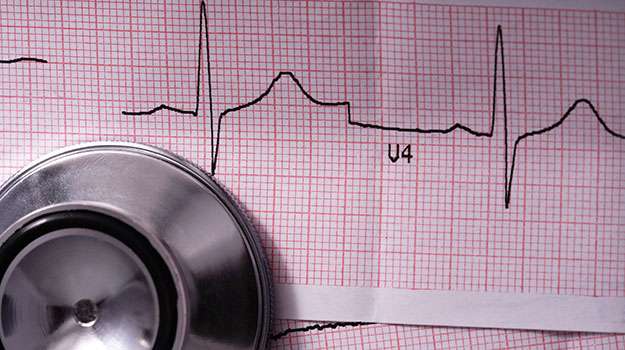
This specialized imaging technique focuses on visualizing coronary arteries through injected contrast dye and X-ray technology. Coronary angiography aids healthcare providers in assessing arterial blockages that could necessitate therapeutic interventions like bypass surgery or stenting procedures.
- Symptoms : Patients experiencing significant chest pain are common candidates for this evaluation when assessing their risk for coronary artery disease.
- Diagnosis : High-resolution images obtained help clearly illustrate narrowing within arteries due to plaque buildup over time.
- Treatment/Management Options : Should blockages exist requiring treatment; options may include balloon angioplasty followed by stent placement directly at those sites.
- What To Expect : The process takes several hours including preparation; patients remain awake but sedated until completion while under close observation throughout their stay.
Overall results empower informed discussions regarding individual patient risks while recommending appropriate follow-up care plans tailored specifically around these findings each time assessed thoroughly!
CARDIAC CATHETERIZATION
Cardiac catheterization is an invasive procedure that allows doctors to examine how well the heart is functioning. This technique involves threading a thin tube through blood vessels to reach the heart for diagnosis or treatment purposes.
- Symptoms: It may be indicated after presenting with severe chest pain, indicative of potential blockages in coronary arteries.
- Diagnosis: This procedure helps visualize blockages using contrast dye under X-ray imaging techniques like angiography.
- Treatment Management: Depending on findings, it may lead to interventions such as angioplasty or stent placement to improve blood flow where necessary.
- What to Expect: Patients usually experience minimal discomfort; recovery time often involves observation in a medical facility post-procedure before being sent home safely.
The overall goal of cardiac catheterization is crucial: ensuring adequate blood supply within the heart muscle itself while managing associated risks effectively throughout the process.
HOLTER MONITOR
A Holter monitor is a portable device used for continuously recording the heart's rhythm over 24 hours or more. It plays a vital role in diagnosing arrhythmias that might not be captured during a standard ECG.
- Symptoms: It’s often recommended for patients complaining of palpitations, dizziness, or fainting spells that occur sporadically.
- Diagnosis: A Holter monitor provides a comprehensive view of heart rhythm during daily activities and sleep cycles.
- Treatment Options: Based on findings from the monitor, adjustments to medications or further testing may be necessary if irregularities are detected.
- Expectations: The monitor is lightweight and can be worn unobtrusively; patients are encouraged to maintain normal activities during the recording period.
This monitoring technique offers invaluable insight into your cardiac health between routine office visits.
STRESS TESTING
A stress test evaluates how well your heart performs under physical stress. It's commonly performed to detect potential coronary artery diseases by monitoring the heart’s response to exercise or medication-induced stress.
- Symptoms: Indications for a stress test include chest pain, unexplained fatigue, and coronary artery disease risk factors.
- Diagnosis: The process often includes monitoring your heart's electrical activity via an ECG during exertion.
- Treatment Management: Results from this test can indicate the need for lifestyle changes, medication adjustment, or further diagnostic procedures if abnormalities are found.
- What to Expect: During the test, you’ll be asked to walk on a treadmill or pedal on a stationary bike while your vitals are closely monitored.
This valuable information helps assess cardiac function comprehensively and manage any identified issues effectively.
ECHOCARDIOGRAM
An echocardiogram is a crucial diagnostic tool used to visualize the heart's structure and function. This non-invasive test utilizes ultrasound waves to create images of the heart in real-time, allowing for detailed assessment.
- Symptoms: Patients may undergo this test if they experience shortness of breath, chest pain, or abnormal heartbeats.
- Diagnosis: Physicians utilize echocardiograms to evaluate heart size, chamber function, and blood flow.
- Treatment: While an echocardiogram itself is not a treatment, it helps in diagnosing conditions such as heart valve disease or cardiomyopathy which may require medical management or surgical intervention.
- Expectations: The procedure typically lasts 30-60 minutes and is painless, with no recovery time needed afterward.
Overall, this test is essential for understanding cardiac health and guiding treatment decisions.