
Dr Mahesh Gupta
About Me
Dr Mahesh Gupta
Podiatrist
Biography
My Clinic
OPD Hours
| Monday | Morning | 10:00 AM | - | 02:00 PM |
| Evening | 06:00 PM | - | 09:00 PM | |
| Tuesday | Morning | 10:00 AM | - | 02:00 PM |
| Evening | 06:00 PM | - | 09:00 PM | |
| Wednesday | Morning | 10:00 AM | - | 02:00 PM |
| Evening | 06:00 PM | - | 09:00 PM | |
| Thursday | Morning | 10:00 AM | - | 02:00 PM |
| Evening | 06:00 PM | - | 09:00 PM | |
| Friday | Morning | 10:00 AM | - | 02:00 PM |
| Evening | 06:00 PM | - | 09:00 PM | |
| Saturday | Morning | 10:00 AM | - | 02:00 PM |
| Evening | 06:00 PM | - | 09:00 PM | |
| Sunday | Morning | 10:00 AM | - | 02:00 PM |
| Evening | 06:00 PM | - | 09:00 PM |
Treatments
Specialised care and treatments offered
DIABETIC FOOT CARE
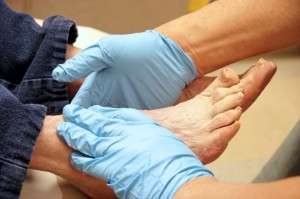
Diabetic foot care encompasses prevention and management strategies specifically aimed at patients suffering from diabetes-related complications affecting their feet. Proper care is vital due to reduced circulation and sensation associated with diabetes...
- Common symptoms may include numbness or tingling feelings as well as visible skin changes indicative of potential problems arising from chronic conditions like neuropathy...
- Routine examinations performed by healthcare providers facilitate early disease detection before escalation becomes inevitable...
- < Effective management includes maintaining optimal blood sugar levels while adhering strictly towards hygiene practices complemented by specialized footwear where necessary...
- < Expect collaborative efforts including patient education which promotes engagement towards self-care thereby minimizing risk exposure moving forwards...
Investing time into learning about diabetic foot care can greatly influence long-term health outcomes while empowering patients through knowledge!
FLAT FEET
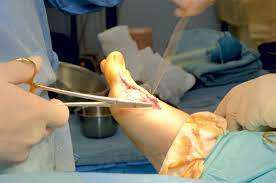
Also known as fallen arches, flat feet occur when the arches of your feet collapse. While some people experience no issues from flat feet, others may suffer from pain or discomfort related to this condition.
- Main symptoms include leg fatigue and arch pain that worsens with prolonged standing or physical activity.
- This issue can arise due to genetic factors combined with wear-and-tear injuries over time affecting foot structure stability.
- An assessment performed by a podiatrist helps reach an accurate diagnosis often utilizing gait analysis.
- Possible treatments include custom orthotics designed for arch support as well as appropriate stretches aimed at relieving tension throughout lower limb structures.
- With ongoing care focused on strengthening both feet & legs together along improving shoe selection you should see marked improvement sooner rather than later!
Early intervention plays an essential role not just alleviating symptoms but enhancing quality lifestyle choices too!
NEUROMAS
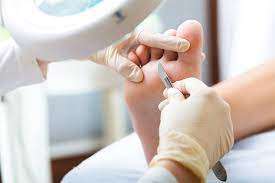
A neuroma is a benign growth that develops on a nerve in your foot, commonly between the toes. This condition can result in sharp pain or tingling sensations affecting mobility because it interferes with nerve function.
- The most common sign is a burning sensation in the ball of your foot alongside numbness or tingling in your toes.
- The exact cause is not always clear; however, wearing tight footwear contributes significantly to their development by putting pressure on nerves.
- Your podiatrist may perform a physical exam along with ultrasound imaging for an effective diagnosis.
- Treatment options often begin conservatively with changes to footwear; however, corticosteroid injections might be indicated for persistent cases. Surgery could be necessary if non-surgical approaches do not yield relief.
- If treated appropriately early on, you’ll likely regain full function without lasting symptoms over time.
Being aware of neuromas allows for timely interventions which can greatly reduce discomfort and improve foot health overall.
ACHILLES TENDINITIS
This condition involves irritation or inflammation of the Achilles tendon, which connects your calf muscles to your heel bone. It commonly affects runners or individuals who engage in repetitive activities involving the feet.
- Pain typically arises behind the heel during walking or running, especially after periods of inactivity.
- The main causes include overuse, tight calf muscles, or sudden increases in physical activity levels.
- An accurate diagnosis usually requires a combination of physical evaluation and imaging techniques such as ultrasound.
- Treatments might include modifying activity levels, stretching exercises, ice application, or orthotics to support healing.
- You can expect significant relief through gradual rehabilitation focusing on strengthening exercises once acute pain subsides.
Catching Achilles tendinitis early enables better management outcomes and aids in a return to regular exercise routines without prolonged discomfort.
BUNIONS
Bunions are bony lumps that form at the base of the big toe due to misalignment. This misalignment often leads to discomfort and difficulty wearing shoes.
- The primary symptom is a noticeable bump on the side of the big toe along with swelling or redness.
- Genetic factors as well as wearing ill-fitting shoes can contribute significantly to bunion development.
- A thorough examination of your foot structure is essential for proper diagnosis, often supported by X-ray imaging.
- Treatment may involve lifestyle modifications such as footwear changes, padding, and possibly surgical options if conservative measures fail.
- Timely intervention can help prevent progression and alleviate symptoms effectively.
Managing bunions early on can significantly improve comfort during daily activities.
PLANTAR FASCIITIS
Plantar fasciitis is a common condition that causes heel pain, particularly in active individuals. This painful inflammation occurs due to strain on the plantar fascia, the thick band of tissue running across the bottom of your foot.
- Symptoms include stabbing pain near the heel, which may worsen with activity or after periods of rest.
- This condition can originate from activities that put excessive pressure on the feet, including running and standing for long hours.
- A physical examination and imaging tests like X-rays may be required for accurate diagnosis.
- Treatment options range from rest and ice therapy, to stretching exercises, orthotic inserts, and in severe cases, corticosteroid injections.
- You can expect gradual improvement with consistent treatment and prevention strategies.
Understanding plantar fasciitis is crucial for effective management and returning to normal activities.